
10 Signs Your Loved One May Need Extra Support After Returning Home From the Hospital
Coming home from the hospital should mark the start of healing, not worry. Yet, subtle changes in your loved one’s behavior or health can signal a need for more support during this delicate time. Recognizing these signs early can make all the difference in a smooth hospital to home transition. Keep reading to learn the key indicators and how post-discharge home care London Ontario professionals can help your family regain confidence and safety. For more insights, visit this link.
Recognizing the Need for Extra Support
When your loved one returns home from the hospital, it’s crucial to monitor their recovery closely. Subtle signs can indicate they need extra support to ensure a smooth transition.
Difficulty with Daily Activities
Daily tasks that once seemed simple might now pose challenges for your loved one. If you notice they struggle with bathing, dressing, or preparing meals, it’s time to consider additional help. A home environment that feels safe and manageable can significantly boost recovery.
-
Bathing and Dressing: These tasks require strength and balance. If they’re struggling, they may face risks of slipping or falling.
-
Meal Preparation: Cooking involves standing, lifting, and concentration. Difficulty in these areas may lead to skipping meals or consuming unhealthy options.
Regularly assess how your loved one manages these activities. If they express frustration or exhaustion, it’s a cue to explore support options to ease their daily routine. This can prevent accidents and promote a sense of well-being.
Medication Management Challenges
Keeping track of medications is vital, yet errors are common and can be dangerous. If your loved one forgets doses or mixes up prescriptions, it’s a sign that support is needed.
-
Missed Doses: Forgetfulness can lead to skipped medication, impacting recovery and health.
-
Mixing Medications: Confusing medication times or dosages can cause adverse effects.
A structured system, perhaps with professional guidance, can help manage medications effectively. This reduces the risk of mistakes and ensures your loved one receives the proper treatment, fostering a safer recovery environment.
Identifying Safety Concerns at Home
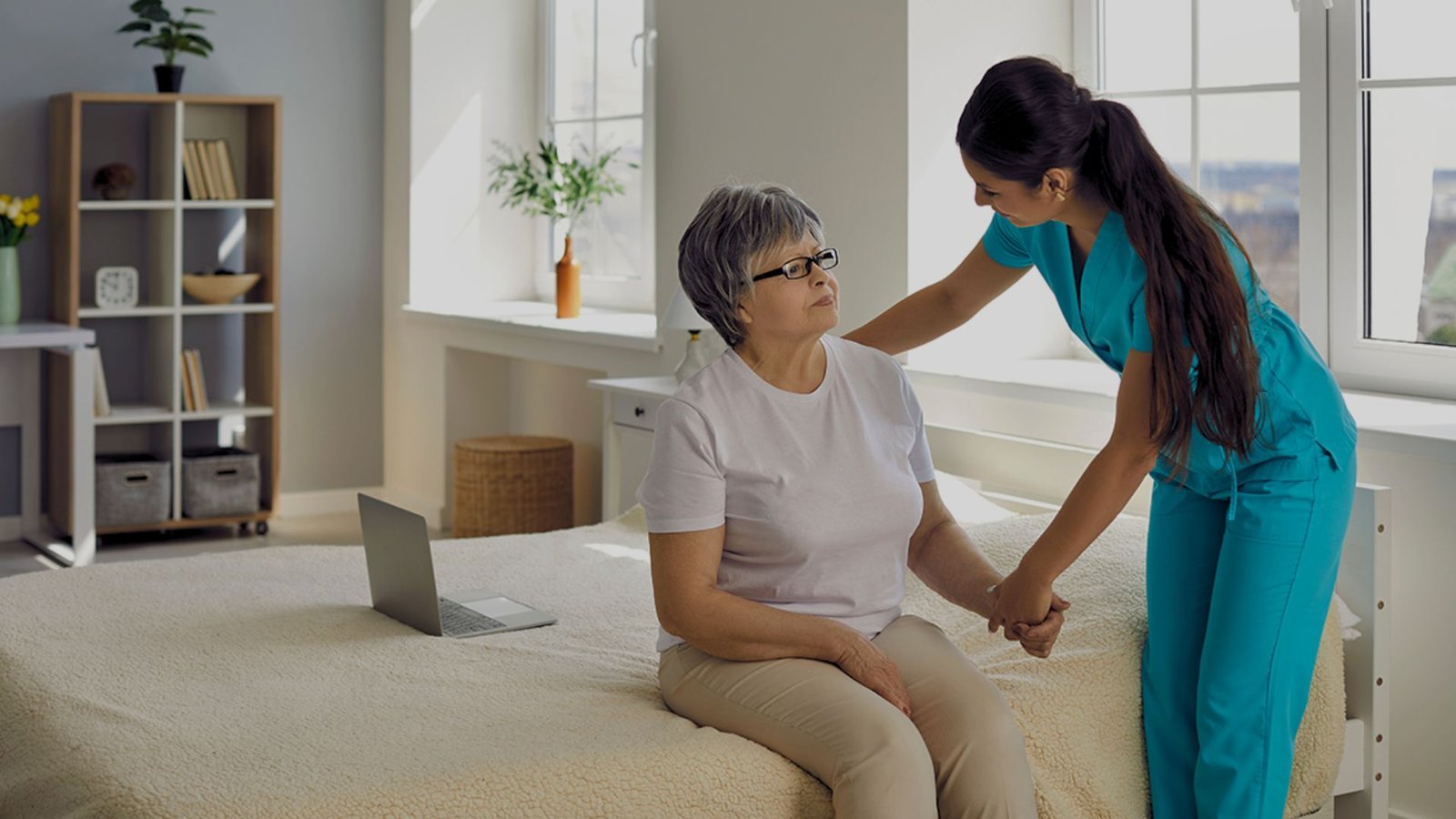
Beyond daily tasks, the home itself can present hidden dangers. Identifying these can prevent accidents and ensure a nurturing space for healing.
Increased Risk of Falls
Falls are a leading cause of injury, especially after a hospital stay. Observe how your loved one navigates their home. Are they steady on their feet, or do they often grab onto furniture for support?
-
Cluttered Walkways: Ensure pathways are clear of obstacles to minimize tripping hazards.
-
Inadequate Lighting: Poorly lit areas can increase fall risk, especially at night.
Regular home assessments can identify and mitigate these hazards. A safer environment contributes to a more confident recovery process.
Signs of Emotional Distress
Emotional health is as important as physical recovery. Pay attention to your loved one’s mood and behavior. If they seem withdrawn, anxious, or unusually irritable, they may need emotional support.
-
Social Withdrawal: A lack of interest in activities or social interactions can indicate distress.
-
Mood Swings: Sudden changes in mood can be signs of underlying emotional issues.
Providing a supportive atmosphere and encouraging open conversations about their feelings can help. Sometimes, professional counseling or companionship services might be necessary to ensure emotional well-being.
The Role of Professional Home Care
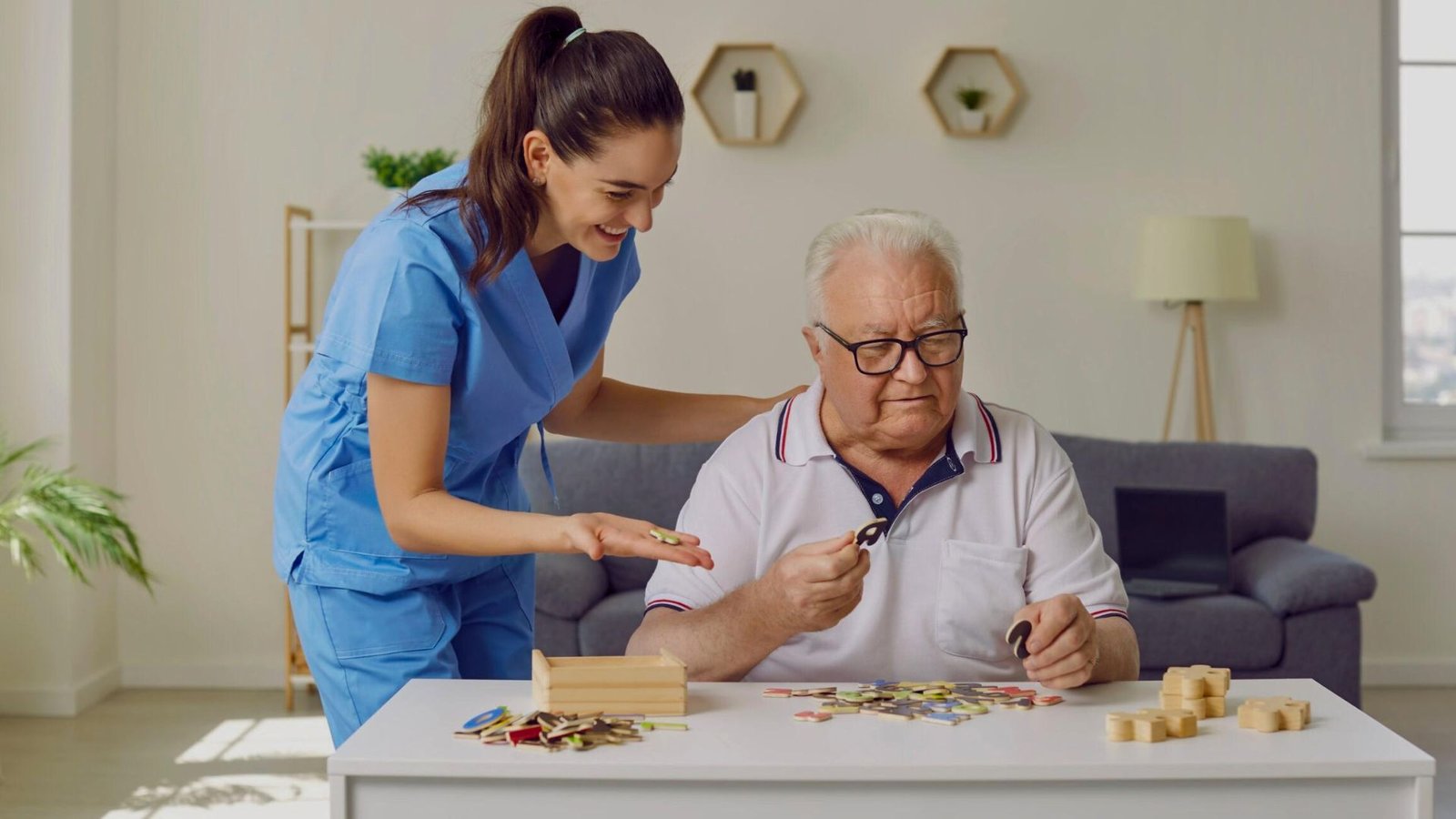
When extra help is needed, professional home care services can provide essential support, promoting recovery and peace of mind.
Benefits of Skilled Nursing at Home
Skilled nursing services offer specialized care tailored to your loved one’s medical needs. This ensures they receive expert attention without leaving the comfort of home.
-
Wound Care: Professional nurses can manage dressings and monitor healing, preventing complications.
-
Vital Sign Monitoring: Regular checks on blood pressure and other vital signs can catch potential issues early.
These services enhance recovery by providing medical expertise and reassurance, allowing your loved one to focus on healing in a familiar environment.
Personalized Care Transition Planning
Every recovery journey is unique. Personalized care planning considers your loved one’s specific needs, creating a roadmap for their successful recovery at home.
-
Customized Care Plans: Tailored plans address individual medical and daily living needs.
-
Regular Check-ins: Scheduled visits ensure the care plan remains effective and adaptable to changing needs.
This approach fosters independence and confidence, reinforcing the transition from hospital to home. Engaging in care transition planning ensures your loved one receives comprehensive support, promoting long-term recovery and well-being.
By recognizing these signs and understanding the role of professional home care, you can provide your loved one with the support they need. This not only aids their recovery but also offers you peace of mind, knowing they are in capable hands.