

Coming home from the hospital brings relief, but it can also hide challenges your loved one faces. Some early signs show when extra support is needed to keep recovery on track and prevent setbacks. In this post, you’ll learn 12 clear signs loved ones need help after hospital discharge and how tailored post-discharge home care can make a real difference. Read more here.
Recognizing the Need for Extra Support
When someone returns home from the hospital, it’s important to watch for signs that they may need extra support. Recognizing these signs early can prevent complications and ensure a smoother recovery.
Physical Signs of Struggle
If your loved one struggles physically after returning home, it’s crucial to address these issues promptly. Look out for signs like difficulty moving around, unexplained weight loss, or noticeable fatigue. These can indicate that they’re having trouble managing daily tasks or their nutrition.
Another red flag is difficulty with personal care activities, such as bathing or dressing. If they seem unsteady or have trouble maintaining balance, they might be at risk for falls. Ensuring they have the assistance they need can help them regain strength and confidence.
Emotional and Mental Health Indicators
Emotional and mental health are key components of recovery. Be alert to changes in mood or behavior, such as increased irritability, withdrawal from social activities, or persistent sadness. These can be signs of depression or anxiety, which are common after a hospital stay.
Encourage open conversations about their feelings. If they express concern about managing at home or seem overwhelmed, it’s a signal they may benefit from additional support. Addressing mental health alongside physical recovery is vital for overall well-being.
Challenges with Daily Activities
Daily activities can become challenging after a hospital discharge. Pay attention if your loved one struggles with cooking, cleaning, or managing medications. These tasks are essential for maintaining health and independence.
If they’re forgetting to take medications or missing appointments, it might be time to consider hiring professional help. A caregiver can assist with these tasks, ensuring they’re followed correctly and safely. This support can make a significant difference in their recovery journey.
The Role of Professional Home Care

Professional home care can be a valuable resource in supporting a loved one’s recovery after hospital discharge. It offers a range of services tailored to their unique needs.
Benefits of Rehabilitation-Focused Care
Rehabilitation-focused care is designed to help individuals regain independence and function. It provides structured support in areas like physical therapy, occupational therapy, and speech therapy. These services are delivered in the comfort of home, allowing for personalized attention.
Working with skilled professionals ensures that recovery goals are met safely and effectively. This approach not only accelerates healing but also builds confidence in managing daily activities. Families can feel assured that their loved one is receiving comprehensive care tailored to their specific needs.
Importance of Skilled Nursing at Home
Skilled nursing at home offers medical supervision that can prevent complications. Nurses can manage wound care, monitor vital signs, and assist with complex medical needs. This level of care is crucial for individuals with chronic conditions or those recovering from surgery.
Having a nurse at home provides peace of mind to families who might worry about their loved one’s health. It ensures that medical needs are addressed promptly, reducing the risk of hospital readmission and promoting a safe recovery environment.
Personalized Care Plans for Recovery
Personalized care plans are central to effective home care. These plans are developed in collaboration with healthcare professionals and tailored to the individual’s specific recovery goals. They address physical, emotional, and social needs, ensuring a holistic approach to care.
A personalized plan allows for flexibility and adjustments based on progress and any new challenges that arise. This adaptability ensures that the individual receives the most effective support throughout their recovery journey, fostering independence and confidence.
Ensuring a Safe and Supportive Environment
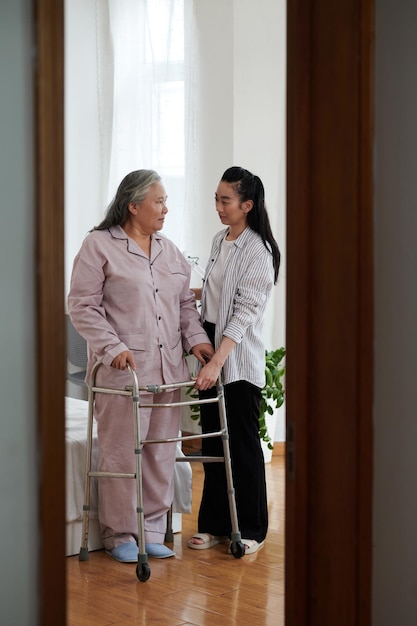
Creating a safe and supportive home environment is crucial for recovery. It involves assessing and modifying the home to prevent accidents and promote independence.
Conducting a Home Safety Assessment
A home safety assessment identifies potential hazards and areas that might need modification. This includes checking for loose rugs, inadequate lighting, or cluttered spaces that could pose a risk.
Making necessary adjustments, like installing grab bars or improving lighting, can significantly reduce the risk of falls. This proactive approach helps create a secure environment where your loved one can move around confidently and safely.
Importance of Fall Prevention at Home
Falls are a major concern for individuals recovering at home. They can lead to serious injuries and setbacks in recovery. Implementing fall prevention strategies is essential for maintaining safety.
Consider using assistive devices, like canes or walkers, to provide stability. Encourage regular exercise to improve strength and balance. These measures, combined with a safe home environment, can greatly reduce the risk of falls and support a smooth recovery process.
Utilizing Transitional Care Services London Ontario
Transitional care services are designed to bridge the gap between hospital and home. In London, Ontario, these services offer comprehensive support for individuals adjusting to life at home after a hospital stay.
They provide a range of services, from medication management to physical therapy, ensuring that all aspects of recovery are covered. Utilizing these services can ease the transition, promote healing, and prevent complications, offering peace of mind to families and their loved ones.
Frequently Asked Questions
What are the signs that a loved one needs help after hospital discharge?
Signs include difficulty with mobility, challenges in managing daily tasks, changes in mood, and trouble with self-care activities. These indicators suggest that extra support may be required to ensure a safe recovery.
How can professional home care assist in recovery?
Professional home care offers tailored services such as rehabilitation-focused care, skilled nursing, and personalized care plans. These services address both medical and daily living needs, promoting a comprehensive recovery process.
Why is a home safety assessment important?
A home safety assessment identifies potential hazards that could impede recovery. By addressing these issues, you create a secure environment that supports independence and reduces the risk of accidents.
What role do transitional care services play in recovery?
Transitional care services provide essential support during the transition from hospital to home. They offer a range of services, including therapy and medication management, to ensure a smooth and safe recovery.
How can fall prevention strategies be implemented at home?
Fall prevention strategies include removing hazards, using assistive devices, and promoting exercises to improve balance and strength. These measures help reduce the risk of falls and support a safer recovery.