
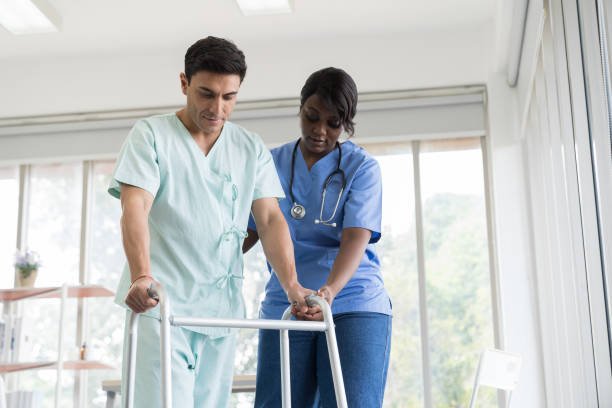
From Hospital to Home: Creating a Compassionate Healing Environment for Body and Mind
Moving from hospital to home can feel overwhelming, especially when healing requires both physical care and emotional support. Setting up a safe, compassionate space makes all the difference in your recovery and peace of mind. This guide will show you how to create that environment with the right support, including how BridgePoint Home Care in London, Ontario, helps make your hospital to home transition smooth and personalized. Learn more about creating a peaceful healing environment here.
Transitioning from Hospital to Home
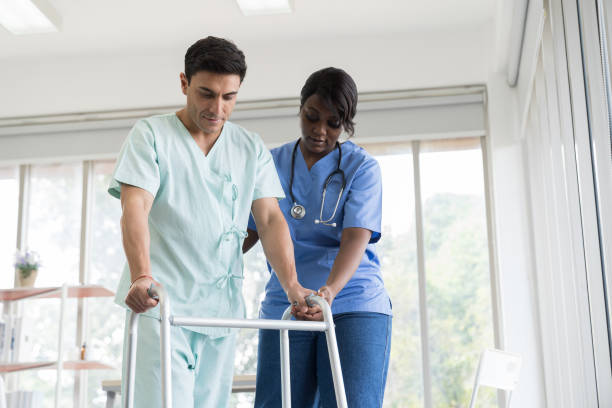
Creating a warm, healing environment at home is the first step toward a successful recovery journey. A supportive setting helps with both physical healing and emotional well-being after leaving the hospital.
Importance of a Healing Environment
Have you ever noticed how a peaceful space can instantly put you at ease? The same principle applies when you’re recovering at home. A healing environment doesn’t just promote physical recovery; it also strengthens your emotional resilience. Imagine your home transformed into a sanctuary, where every element supports your journey back to health. This goes beyond just comfort, it’s about creating a space that encourages recovery every day.
The colors you choose, the music you play, and even the way furniture is arranged can influence your state of mind. When your surroundings are calm and organized, it becomes easier to focus on your recovery. This sense of peace can reduce stress and aid in quicker healing. Plus, having familiar and supportive faces around you can be incredibly uplifting.
Steps for Safe Recovery at Home
Once you’ve established a healing environment, the next part is ensuring safety throughout your recovery. Here’s how you can make the transition smoother:
-
Conduct a Home Safety Assessment: Identify and address potential hazards like loose rugs or slippery floors to prevent falls.
-
Organize Medication and Supplies: Keep everything you need within easy reach to avoid unnecessary movement that might strain your healing body.
-
Set Routine Check-Ins: Regular check-ins with healthcare providers can ensure your recovery is on track and any concerns are promptly addressed.
These steps not only promote physical safety but also ease the mind. Knowing that your home is prepared for recovery can bring immense peace. This proactive approach helps you regain confidence as you navigate your healing journey.
Role of Skilled Nursing at Home
Skilled nursing brings professional care right to your doorstep, forming a vital part of your recovery plan. Imagine having expert support that caters to your specific health needs without leaving the comfort of your home. This service bridges the gap between hospital care and home recovery.
Nurses provide medical care, educate you on managing your health, and offer emotional support. Their presence ensures that you have a safety net, making the transition less daunting. Most people think recovery stops after leaving the hospital, but skilled nursing continues to support you until you’re fully back on your feet.
Having professional assistance not only aids in physical recovery but also offers reassurance to both you and your loved ones. Knowing there’s a qualified professional checking in can ease worries, allowing you to focus solely on getting better.
Creating a Supportive Home Care Plan
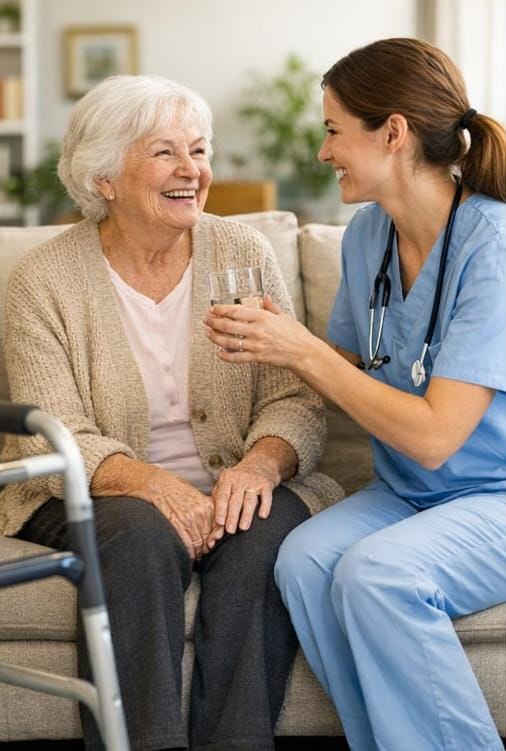
A well-structured care plan can be your roadmap to recovery. It’s about tailoring care to fit your personal health needs and lifestyle, ensuring your journey is as smooth as possible.
Personalized Care Plans for Recovery
Imagine having a plan that’s designed just for you, addressing your unique health challenges and goals. Personalized care plans do exactly that. They consider every detail of your recovery needs, from medication schedules to physical therapy routines.
Creating a personalized plan involves collaboration between you, your family, and healthcare providers. This teamwork ensures the plan aligns with your preferences and daily life. It’s not just about the medical aspects, but also about fitting into your routine seamlessly.
Such plans empower you to take charge of your recovery. With clear steps laid out, you can focus on each day’s tasks without feeling overwhelmed. This structured approach keeps you motivated and optimistic about your healing journey.
Engaging in Post-Discharge Home Care
After leaving the hospital, continuing care at home is crucial. Engaging in post-discharge home care ensures that you maintain the progress made during your hospital stay.
This involves regular visits from healthcare professionals who monitor your recovery and adjust your care plan as needed. It’s like having a team dedicated to your well-being, working alongside you every step of the way. Explore strategies for compassionate care at home here.
Such consistent support prevents setbacks and keeps you on a steady path to full recovery. It also provides peace of mind, knowing that professional help is always within reach.
Culturally Sensitive Home Care Practices
Culturally sensitive care recognizes and respects your background and preferences. It’s about delivering care that feels comfortable and familiar, honoring your cultural values.
This approach involves understanding your traditions and incorporating them into your care plan. It might mean preparing meals that align with your dietary customs or ensuring care practices respect your spiritual beliefs.
By integrating cultural sensitivity into home care, you feel more at ease and connected to your environment. This respect for your identity not only enhances your comfort but also boosts your emotional well-being during recovery. Read more about culturally sensitive care practices here.
BridgePoint Home Care Services

BridgePoint Home Care is your trusted partner in making the hospital-to-home transition smooth and stress-free. Their comprehensive services cater to every aspect of your recovery.
Comprehensive Care Options
With a variety of services, BridgePoint Home Care ensures all your needs are met. From skilled nursing to personalized care plans, they cover every base to support your recovery. They offer specialized services like pediatric and senior care, addressing the unique needs of different age groups.
This comprehensive approach means you don’t have to juggle multiple providers. Everything you need is coordinated through BridgePoint, streamlining your care journey. This not only simplifies the process but also enhances the quality of care you receive.
Benefits of Transitional Care Services
Transitional care services from BridgePoint ensure a seamless shift from hospital to home. These services include in-home assessments, care plan development, and continuous monitoring of your recovery.
Having a dedicated team manage this transition alleviates the stress of moving from one care setting to another. It provides continuity in care, keeping your recovery on track without interruption.
Scheduling Your Complimentary Consultation
Experience the difference BridgePoint Home Care can make in your recovery. Their team is ready to support you with professional, compassionate care every step of the way.
Schedule your complimentary consultation to discuss your needs and explore how BridgePoint can tailor their services to support your journey. Taking this first step could be the key to a smoother, stress-free transition from hospital to home. Learn more about the benefits of compassionate caregiving here.
In conclusion, your recovery journey from hospital to home can be empowering with the right support. By creating a healing environment, engaging in personalized care, and leveraging professional services like those offered by BridgePoint Home Care, you ensure a path to recovery that’s both smooth and uplifting.