
From Hospital to Home: The Emotions Behind Transition—and How to Support Your Loved One
Leaving the hospital is a relief, but the shift to recovery at home can stir up a mix of emotions for both you and your loved ones. The hospital to home transition often brings uncertainty, fear, and frustration alongside hope. Recognizing these feelings is key to supporting a confident, safe recovery. In this post, you’ll learn how to navigate the emotional challenges and practical steps to ease the journey with BridgePoint Home Care Inc. by your side. Learn more about the emotional impact of transitioning home here.
Emotional Challenges of Transition
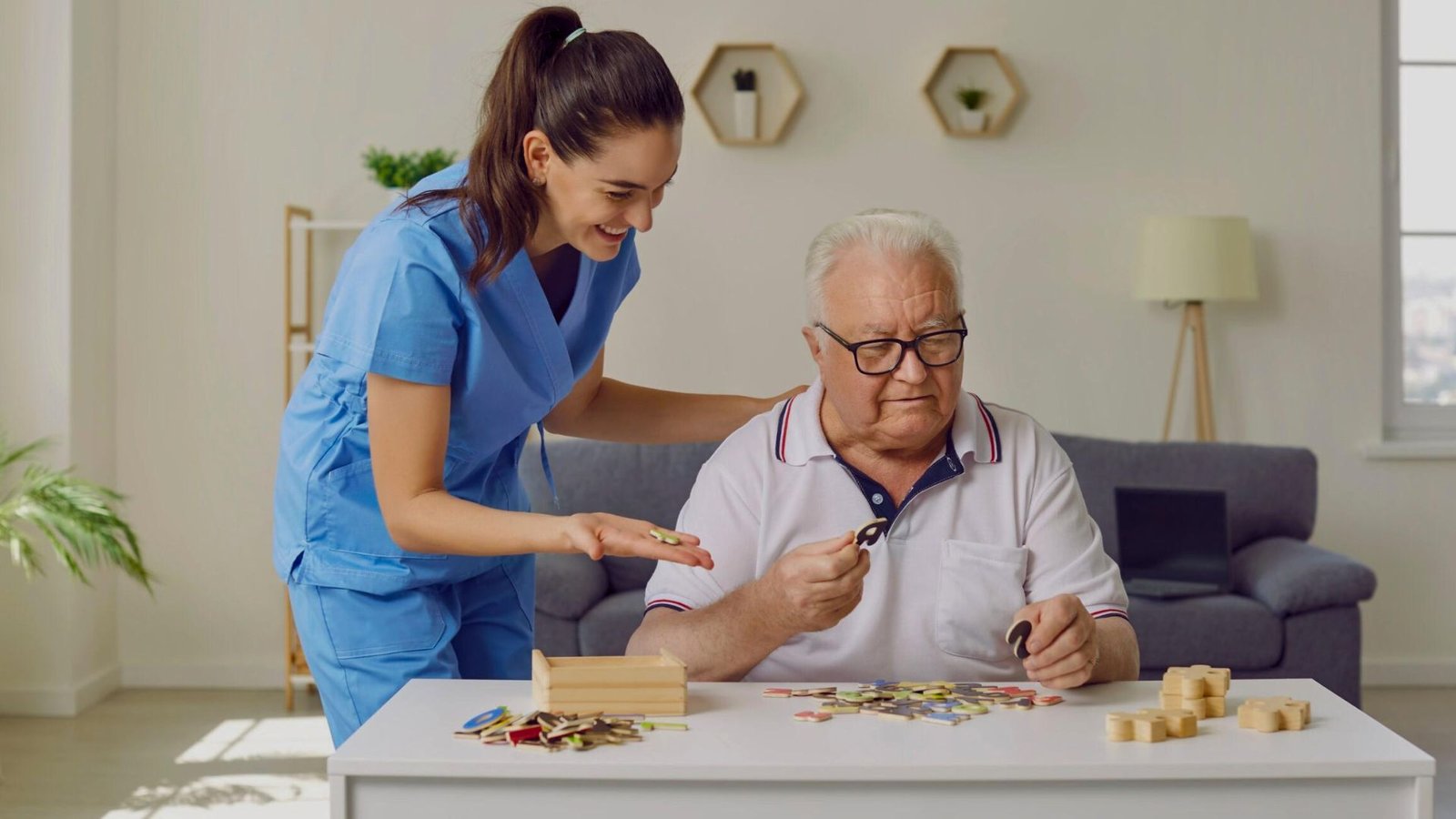
As you prepare to transition your loved one from hospital to home, understanding the emotional landscape becomes crucial. This awareness lays the groundwork for offering effective support.
Facing the Unknown
Leaving the hospital means stepping into a world filled with unknowns. Questions about care routines and health can be overwhelming. Fear of the unknown is natural, but acknowledging this fear is the first step. By engaging in open conversations, you can explore these feelings together. It’s important to remember that you’re not alone, and there are resources available to help guide you through this transition.
Handling Anxiety and Stress
Anxiety often peaks during transitions. Stress about managing medical needs or potential emergencies is common. To handle this, consider creating a structured plan. Break down tasks into manageable steps. Focus on one day at a time, and celebrate small wins. Breathing exercises or a short walk can also provide relief. Support groups, either online or in-person, can offer a listening ear and shared experiences.
Adjusting to New Routines
Adjusting to a new routine at home requires time and patience. The change can be jarring, especially after a hospital stay. To ease this shift, establish a daily schedule. Morning stretches, meals, and rest times can bring structure to the day. Engage your loved one in planning their routine. This involvement enhances their sense of control and autonomy. Remember, adjustments take time, so be patient with yourself and your loved one.
Practical Support Strategies

Understanding emotional challenges is crucial, but practical support is equally essential. These strategies can help you create a supportive environment for your loved one’s recovery.
Building a Support Network
A strong support network is invaluable. Family, friends, and community resources can offer assistance. Start by reaching out to those willing to help. Create a list of tasks and match them with people who can assist. Regular check-ins can foster a sense of community and shared responsibility. Consider joining local caregiver groups to connect with others in similar situations.
Encouraging Independence
Fostering independence boosts confidence and well-being. Encourage your loved one to take part in daily tasks, even small ones. This involvement promotes a sense of achievement. Adapt the environment to make tasks easier: install grab bars or remove obstacles. Celebrate progress, no matter how small. Remember, each step towards independence is a victory.
Leveraging Home Care Services
Home care services offer invaluable support. They provide professional assistance tailored to your needs. Skilled caregivers can manage medical tasks, allowing you to focus on emotional support. BridgePoint Home Care Inc. offers personalized care plans that adapt to your loved one’s changing needs. Accessing these services can ease your burden, ensuring your loved one receives expert care.
Engaging Professional Home Care
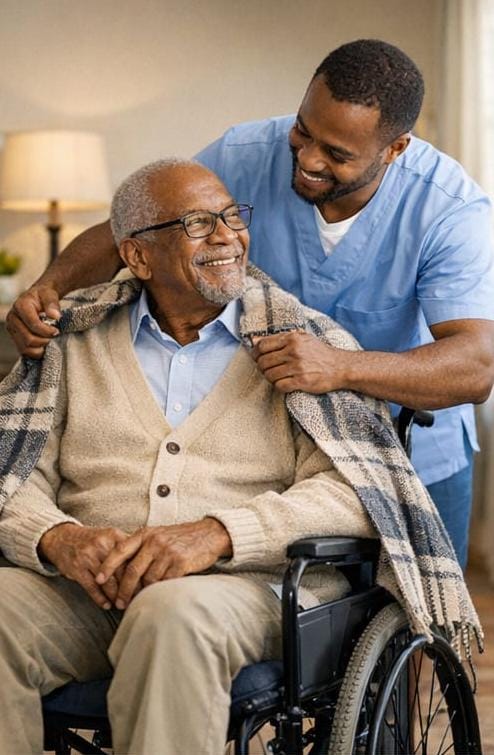
When considering professional home care, understanding its benefits and options will help you make informed choices for your loved one.
Benefits of Skilled Nursing at Home
Skilled nursing at home offers personalized medical care. It bridges the gap between hospital and home, ensuring continuity of care. Nurses can administer medication, monitor health, and provide wound care. This service reduces the risk of hospital readmission, promoting safe recovery in familiar surroundings. Learn more about home nursing benefits here.
Personalized Care Plans
Every individual is unique, and their care plan should reflect that. Personalized care plans address specific needs and preferences. They offer flexibility, adapting as conditions change. This tailored approach supports physical and emotional recovery. BridgePoint Home Care Inc. crafts care plans with input from the patient, family, and healthcare providers, ensuring a holistic approach.
How BridgePoint Home Care Can Help
BridgePoint Home Care Inc. stands ready to support your journey from hospital to home. Our services in London, Ontario, focus on rehabilitation and independence. We provide skilled nursing, personalized care, and a compassionate approach. Our team is dedicated to ensuring a smooth transition and promoting long-term well-being. With BridgePoint by your side, you can focus on what truly matters: healing and thriving at home.
In summary, the transition from hospital to home is complex, filled with emotional and practical challenges. By understanding these dynamics and utilizing available resources, you can support your loved one’s recovery journey. Remember, you are not alone. Professional home care services, like those offered by BridgePoint Home Care Inc., are here to guide and assist you every step of the way.