
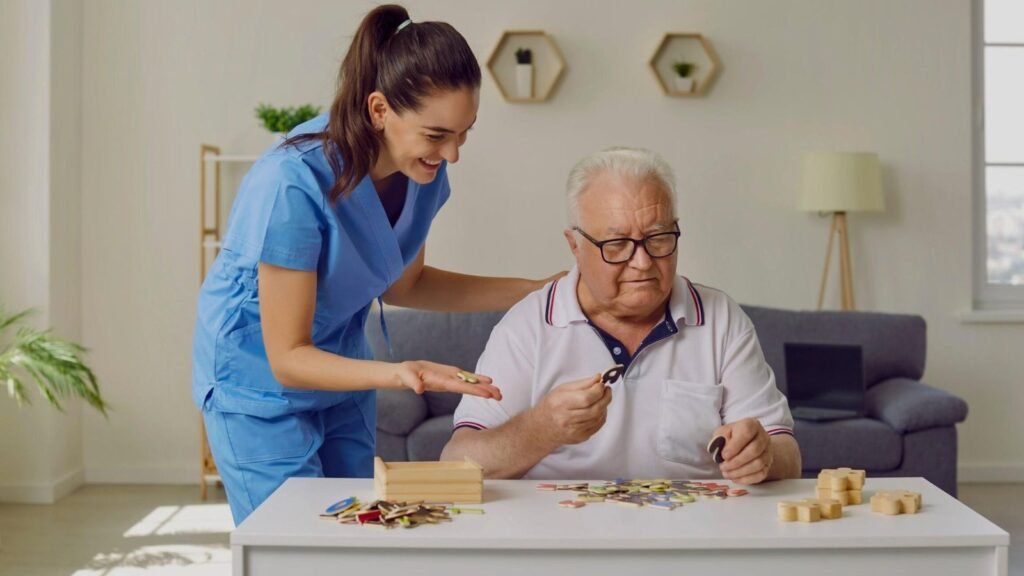
From Hospital to Home: Skilled Nursing Strategies for Managing Complex Medications and Rehabilitation
Managing complex medications and rehabilitation at home can feel overwhelming after a hospital stay. You want to ensure your loved one’s recovery is safe, organized, and tailored to their unique needs. Skilled nursing at home offers the expert support that coordinates medication management, wound care, and therapy—all designed to help you regain confidence and independence during this critical time. Let’s explore practical strategies that make the hospital to home transition smoother and more secure. For more insights, you can visit this resource.
Skilled Nursing at Home
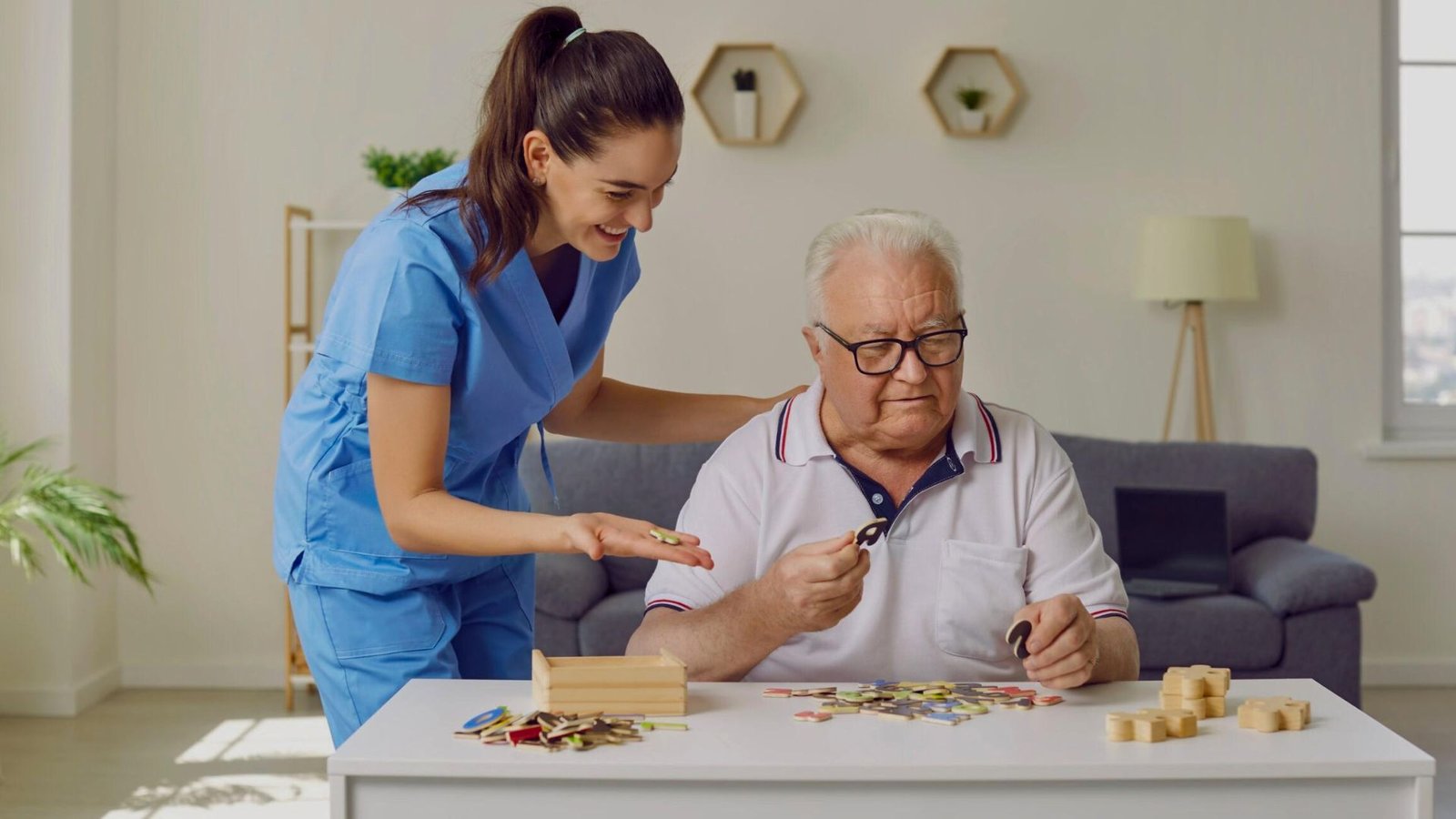
Skilled nursing at home offers a way to ease the stress of managing health needs after a hospital stay. Your loved one can recover safely and with the support they need. Here’s how it works.
Safe Medication Management
Keeping track of multiple medications can be daunting. Skilled nurses help by organizing your medication schedule, ensuring each dose is taken at the right time. This careful oversight minimizes the risk of errors.
-
Medication Reconciliation: Nurses review all medications to prevent harmful interactions. Studies show that this process can reduce medication errors by up to 70%.
-
Education and Reminders: Nurses explain what each medication is for and set up reminders, so you never miss a dose. This empowers you to be more involved in your care.
-
Adjustments and Monitoring: Your nurse will keep an eye on how medications affect you, ready to consult with your doctor if changes are needed.
Interested in learning more about how professionals manage medication at home? Check out this article.
Rehabilitation and Therapy Coordination
Rehabilitation is crucial for regaining strength and mobility. Home-based therapy services ensure you get the necessary support without leaving your home.
-
Customized Therapy Plans: Tailored to your specific needs, therapists work with you to set achievable goals for recovery. This personalized approach speeds up your progress.
-
Consistent Support: Regular visits from therapists help maintain your momentum, offering encouragement and adjustments as needed.
-
Integrated Care: Therapists collaborate with nurses and doctors to provide a seamless care experience, ensuring all aspects of your health are addressed.
For more details on how skilled nursing supports rehabilitation, see this source.
Hospital to Home Transition
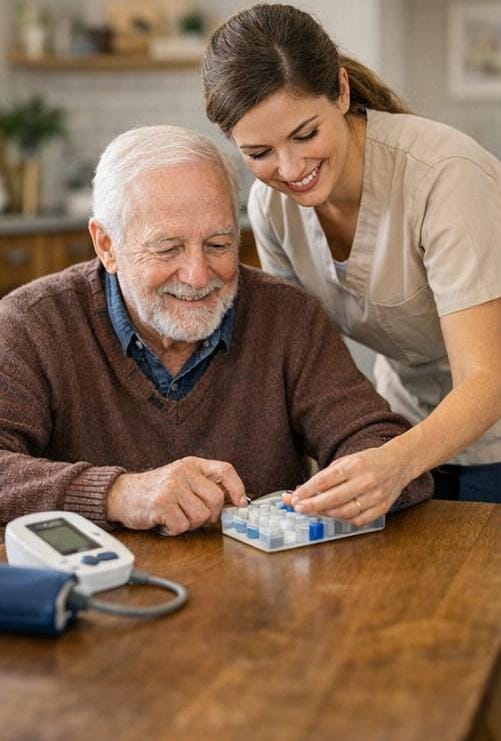
Navigating the shift from hospital to home can be challenging. Skilled nursing eases this transition, offering a structured and supportive environment for recovery.
Personalized Care Plans
Everyone’s recovery journey is unique. That’s why creating a personalized care plan is crucial.
-
Initial Assessment: A thorough evaluation forms the basis of your care plan, considering both medical needs and personal preferences.
-
Goal Setting: Establishing clear recovery goals ensures you stay focused and motivated. Your care team will guide you in setting these targets.
-
Ongoing Adaptation: As your needs change, so will your care plan, ensuring it always meets your evolving requirements.
This personalized approach is a cornerstone of effective home care, as highlighted in this article.
Post-Discharge Support
Returning home is just the beginning. Continuous support ensures you don’t feel alone during your recovery.
-
Regular Check-ins: Nurses visit regularly to monitor progress and address any concerns, providing peace of mind for you and your family.
-
Resource Connection: Your care team can connect you with community resources and support groups, adding another layer of assistance.
-
Family Involvement: Educating family members on how to assist in care fosters a supportive home environment.
Explore how ongoing support is vital for recovery with this resource.
Specialized Home Care Services
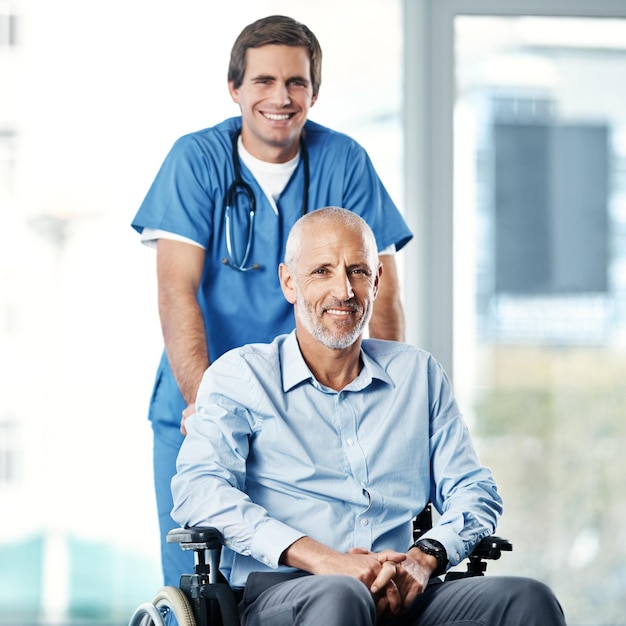
For those with specific medical needs, specialized services ensure comprehensive care at home, letting you focus on what matters most: recovery and well-being.
Wound and Post-Surgical Recovery
Proper wound care is essential after surgery. Skilled nurses provide expert care to prevent complications and speed up healing.
-
Wound Assessment and Care: Regular checks ensure wounds are healing properly, with nurses applying dressings and cleaning wounds as needed.
-
Pain Management: Nurse-led pain assessment helps tailor pain management strategies effectively, improving comfort and recovery speed.
-
Recovery Monitoring: By keeping a close eye on your recovery, nurses can act swiftly if any issues arise.
Learn more about the role of skilled nursing in post-surgical care here.
Fall Prevention Strategies
Falls pose a significant risk, especially after surgery. With proper strategies, you can maintain safety at home.
-
Home Safety Evaluation: Nurses assess your home for fall risks and suggest modifications, such as removing loose rugs or installing grab bars.
-
Balance and Strength Exercises: Regular exercises help improve your balance and strength, reducing the likelihood of falls.
-
Education: Understanding the risks and learning how to avoid them is key to preventing falls.
The longer you wait to implement these strategies, the higher the risk of injury. Start making changes today to ensure a safer recovery environment.
By focusing on these strategies, you can significantly improve your recovery experience at home. BridgePoint Home Care Inc. is here to support you every step of the way.