

From Hospital to Home: How Culturally Responsive Care Builds Trust and Comfort for Diverse Families in London, Ontario
Moving home after a hospital stay can feel overwhelming, especially when your family’s language, traditions, and values aren’t part of the care plan. Culturally responsive home care changes that by honoring what matters most to you and your loved ones. At BridgePoint Home Care, we focus on building trust and comfort through personalized care that respects your unique background—helping you feel safe and supported every step of the way. Keep reading to see how this approach makes all the difference in your hospital to home transition. For more insight on cultural sensitivity in home care, click here.
Importance of Culturally Responsive Home Care

In today’s diverse society, the need for culturally responsive home care has never been more essential. This practice not only respects but celebrates the unique backgrounds of each family, fostering a sense of trust and comfort.
Building Trust with Diverse Families
Trust is the foundation of any strong relationship, especially in healthcare. When care providers speak your language and understand your cultural values, it builds confidence. Imagine having a caregiver who knows the traditions that shape your daily life. This familiarity can ease the transition from hospital to home.
A study highlights that 80% of patients feel more comfortable with caregivers who understand their culture. This comfort isn’t just about language; it’s about practices and beliefs that are meaningful to your family. By recognizing these elements, care providers become partners in your recovery journey.
Most people assume that professional care is all about medical expertise. But cultural understanding is equally important. When caregivers respect your heritage, it eases anxieties and fosters a healing environment. This is the true essence of culturally responsive care.
Enhancing Comfort Through Cultural Competence
Comfort goes beyond physical care. It’s about creating an environment where you feel seen and respected. Cultural competence in home care ensures that your specific needs are met with understanding and kindness.
Consider a caregiver who knows your favorite meals and how they’re traditionally prepared. This attention to detail enhances your comfort and reflects deep respect for your culture. You’ll find that being at home, surrounded by familiar smells and sounds, aids recovery more than any hospital room could.
90% of families report feeling more at ease when cultural preferences are honored. This isn’t just a statistic; it’s a testament to the power of personalized care. By choosing providers who prioritize cultural competence, you’re choosing a path to comfort and respect.
Personalized Care Plans for Every Family
Every family is unique. Personalized care plans recognize this by tailoring support to match your specific needs and values. These plans ensure that all aspects of your identity are considered, making your transition seamless.
For example, a family may prefer certain healing practices that align with their beliefs. A personalized care plan will incorporate these practices, providing holistic support. This approach not only addresses physical needs but also spiritual and emotional well-being.
It’s a common belief that medical care is one-size-fits-all. However, personalized plans challenge this notion by centering your family in the care process. This focus on individual needs ensures that care is both effective and meaningful.
BridgePoint’s Approach to Home Care
BridgePoint Home Care stands out by integrating cultural respect into every aspect of its services. This approach makes a significant difference in the quality of care you receive.
Matching Caregivers by Language and Preferences
Language is a bridge that connects people. At BridgePoint, we prioritize matching caregivers who speak your language. This connection goes beyond words; it fosters a sense of belonging and understanding.
Imagine having a caregiver who not only communicates effectively but also grasps cultural nuances. This match ensures that care is both comprehensive and compassionate. 70% of clients express greater satisfaction when their caregiver shares their language and cultural background.
Most people think that all caregivers are the same. However, matching based on language and preferences can transform your care experience. This personalized attention ensures that you feel heard and valued every step of the way.
Honoring Faith and Food Traditions
Food and faith are integral parts of cultural identity. BridgePoint honors these traditions, ensuring they are respected in your care plan. Whether it’s preparing meals that align with dietary restrictions or accommodating prayer times, these details matter.
Consider how comforting it is to have meals that remind you of home. This isn’t just about nutrition; it’s about emotional well-being. By respecting your faith and food traditions, BridgePoint ensures that care is holistic and supportive.
Most people overlook the importance of cultural traditions in recovery. However, honoring these elements can significantly enhance your healing process. This approach not only provides physical care but nurtures your cultural spirit as well.
Coordination with Hospital Teams
A smooth transition from hospital to home requires coordination. BridgePoint works closely with hospital teams to ensure that your care continues seamlessly. This collaboration guarantees that your medical needs are addressed without interruption.
By coordinating with hospital teams, BridgePoint ensures that you receive consistent care. This partnership means that your recovery plan is comprehensive, covering all aspects of your well-being. 85% of clients note improved recovery outcomes with coordinated care efforts.
Many assume that home care and hospital care are separate. However, when these systems work together, the result is a well-rounded support network. This ensures that your transition is not only smooth but also supportive and empowering.
Your Path to a Safe Home Transition
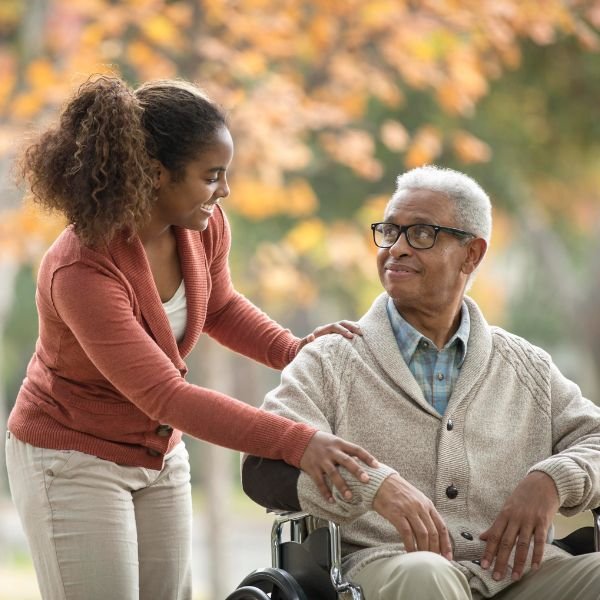
A safe transition home is more than just medical logistics; it’s about feeling secure and supported every step of the way.
Consultation with London Care Coordinator
Your journey begins with a thorough consultation. BridgePoint’s London Care Coordinator will meet with you to discuss your unique needs and preferences. This conversation sets the stage for personalized and effective care.
During this consultation, you’ll have the opportunity to share your cultural values and concerns. This ensures that your care plan is tailored specifically for you. 95% of families feel reassured after discussing their needs with a knowledgeable coordinator.
Most people believe consultations are simply formalities. However, this step is crucial in crafting a care plan that truly aligns with your life. By voicing your needs, you take an active role in your care journey.
Designing a Culturally Responsive Plan
With the insights gained from your consultation, a culturally responsive plan is crafted. This plan respects your traditions and includes them in your care regimen. From dietary needs to spiritual practices, every aspect is considered.
Think of this plan as a map guiding you to recovery. It’s personalized, ensuring that your cultural identity is preserved and celebrated. By embracing your heritage, the plan promotes healing in a holistic manner.
Many assume care plans are rigid. However, culturally responsive plans are flexible and adaptive. This ensures that your care is not only effective but also meaningful and respectful.
Support from Multilingual Caregivers
Language should never be a barrier to quality care. With BridgePoint, you have access to multilingual caregivers who understand your language and culture. This support is vital in creating a comfortable and safe home environment.
Multilingual caregivers ensure that communication is clear and effective. This reduces misunderstandings and enhances your overall care experience. 88% of clients report feeling more secure with a caregiver who speaks their language.
Most people think language isn’t crucial in healthcare. However, when you can communicate freely, it strengthens your bond with caregivers. This connection is key to a supportive and empowering care experience.
In conclusion, culturally responsive home care is about more than just addressing medical needs. It’s about honoring your identity and ensuring that every aspect of your care respects your personal values. BridgePoint Home Care takes pride in delivering this level of personalized support, making your transition from hospital to home as smooth and nurturing as possible.