
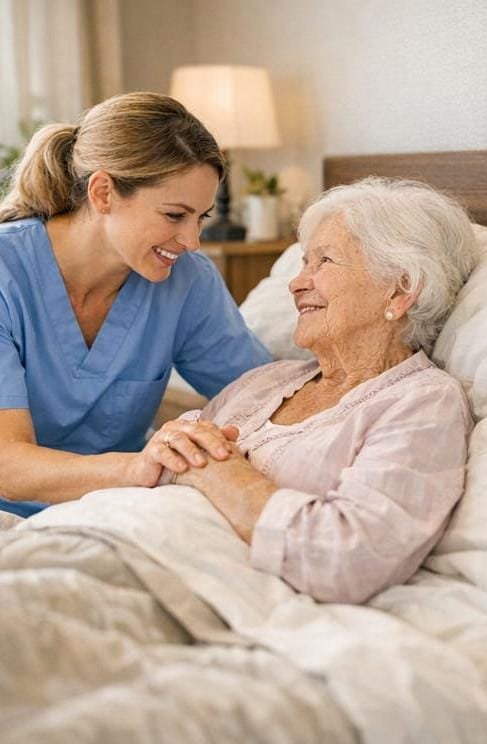
From Hospital to Home: 12 Signs Your Loved One May Need Skilled Nursing Support
Leaving the hospital is a hopeful step, but it can also bring worries about your loved one’s recovery. Signs like trouble with medication, changes in vital signs, or difficulty moving might mean skilled nursing at home is needed. Knowing these red flags can help you support a safe hospital to home transition with confidence. Let’s explore the 12 key indicators that suggest it’s time to consider professional post-discharge care. For more information, you can check this resource.
Recognizing the Need for Skilled Nursing
Understanding when your loved one might need extra support can be crucial to their recovery. Let’s look at the signs that suggest skilled nursing at home may be necessary.
Signs of Physical Decline
Have you noticed your loved one struggling more physically than before? This could be a sign that they need additional help. For instance, if they’re losing weight rapidly or seem weaker, it might be worth considering skilled nursing. Additionally, if they have wounds that aren’t healing well, professional attention can help prevent complications. A home health nurse can be a great resource for wound care at home, ensuring proper treatment and monitoring.
Changes in vital signs like abnormal heartbeat or fluctuating blood pressure should not be ignored. Skilled nurses can monitor these signs closely, providing peace of mind. According to GoodRx Health, keeping an eye on these changes is essential to avoid emergency situations.
Struggles with Daily Activities
If daily tasks become overwhelming, it might be time for skilled nursing support. For example, if your loved one is forgetting medications or struggling to move around the house, this could indicate a need for assistance. Medication management and falls prevention are critical areas where skilled nursing can make a significant difference.
Sometimes, people think they can handle everything alone, but accepting help can improve quality of life. A skilled nurse can not only assist with daily activities but also provide rehabilitation at home, helping your loved one regain independence. As noted by Eden Senior Care, acknowledging these struggles early can enhance overall recovery.
Importance of Post-Discharge Care
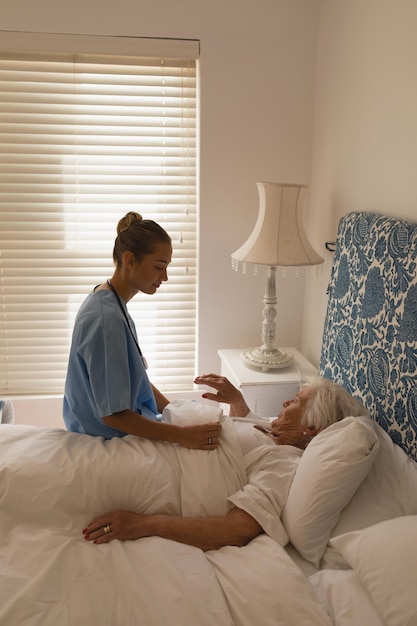
Post-discharge care plays a vital role in ensuring a smooth recovery. Let’s explore how preventing hospital readmission and having skilled nursing at home can support this process.
Prevent Hospital Readmission
Reducing the risk of returning to the hospital is a primary goal post-discharge. Hospital readmissions are not only stressful but can complicate recovery. By addressing issues early with skilled nursing care, you can help prevent this setback.
A study found that 20% of patients discharged from hospitals are readmitted within 30 days. Skilled nursing provides necessary interventions, such as vital signs monitoring, which can help detect problems before they escalate. The longer you wait to address potential issues, the greater the risk of complications.
Role of Skilled Nursing at Home
A skilled nurse can be an invaluable asset for recovery. They bring medical expertise to the home, assisting with tasks like medication management and wound care. Having a professional present can make all the difference for someone recovering from surgery or managing a chronic illness.
Most people assume home care is only for severe cases, but even mild difficulties can benefit from professional support. Skilled nursing provides tailored care, addressing specific needs and promoting a faster, safer recovery. For more insights, explore Healing Hearts Medical.
Crafting a Personalized Care Plan
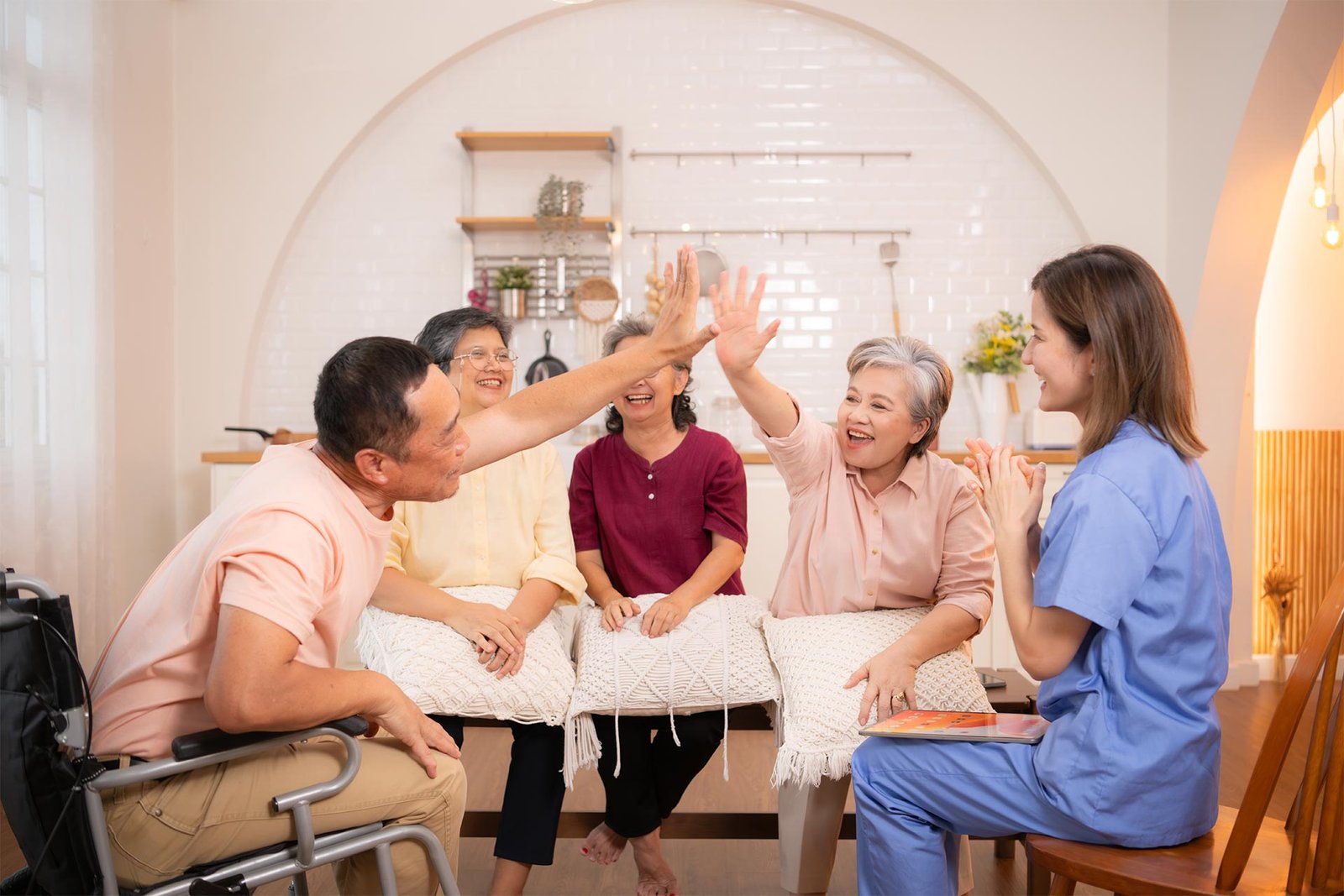
Personalized care is at the heart of effective post-discharge support. Here’s how you can coordinate with hospital teams and benefit from transitional care services.
Coordinating with Hospital Teams
To create a plan that suits your loved one’s needs, collaboration with hospital teams is essential. Communication ensures that everyone is on the same page regarding ongoing care needs. This coordination helps prevent gaps in care that could lead to complications.
Having a detailed care plan in place before discharge can ease the transition. It’s about more than just medical needs; it’s about considering their lifestyle and preferences. By doing so, you provide a supportive environment that encourages recovery.
Benefits of Transitional Care Services
Transitional care services offer a bridge between hospital and home. These services ensure continuity of care, addressing any issues that arise during recovery. Benefits include reduced stress and a higher chance of successful recovery at home.
Imagine having access to professionals who understand your loved one’s specific needs and can adapt care as required. This approach not only supports healing but also promotes confidence and independence. Discover more about how transitional care can support you at Monument Health Group.
In summary, recognizing the signs that skilled nursing may be needed, understanding the importance of post-discharge care, and crafting a personalized care plan can significantly impact recovery outcomes. By taking these steps, you ensure your loved one receives the best possible support, fostering a safe and successful transition from hospital to home.