
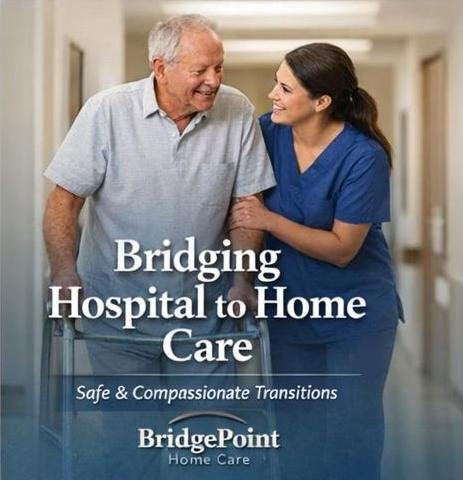
Coming home from the hospital should mark the start of healing, not new worries. Yet, subtle changes in your loved one’s health or behavior might signal they need more support during this crucial post-discharge recovery phase. Knowing these signs early can help you act with confidence and keep their recovery on track. Let’s explore 12 key warning signs that show when professional home care in London, Ontario can make a real difference. Learn more about signs your loved one may need help.
Recognizing the Need for Extra Support
After leaving the hospital, some individuals might struggle with daily life. Catching these signals early helps ensure a smooth transition and supports recovery.
Struggling with Daily Activities
One clear sign that extra support is needed is difficulty managing daily tasks. You might notice that your loved one struggles with basics like dressing, cooking, or maintaining personal hygiene. These once-simple activities can become overwhelming due to fatigue or limited mobility. This is where skilled nursing at home can play a crucial role.
For example, if your loved one used to cook daily but now feels exhausted just thinking about it, it might be time to consider help. Professional caregivers can assist with cooking and other household tasks, ensuring your loved one remains safe and comfortable at home.
Signs of Medication Mismanagement
Medication plays a critical role in recovery. Signs that your loved one is struggling with their medication might include missed doses or taking the wrong amount. This can happen if they feel overwhelmed by the number of medications or forget due to confusion.
To prevent this issue, caregivers can provide medication management at home. They ensure the right doses are taken at the right times, reducing the risk of complications and supporting a smoother recovery.
Difficulty with Mobility and Falls
Mobility challenges or frequent falls indicate that extra care is needed. If your loved one finds it hard to move around or has experienced a fall, it’s time to consider falls prevention strategies.
Falls can lead to injuries that hinder recovery. Home care professionals assess living spaces for potential hazards and create a safer environment. They also offer mobility support, making it easier for your loved one to navigate their home with confidence.
Emotional and Behavioral Changes

Emotions can shift after a hospital stay. These changes can signal the need for additional support to ensure a holistic recovery approach.
Increased Confusion or Disorientation
Confusion or disorientation can be alarming. If you notice your loved one often seems lost or struggles to remember recent events, it might be time to seek help. These symptoms could be signs of medication side effects, infection, or other health issues.
Professional caregivers are trained to recognize these signs and provide appropriate support. By monitoring changes and communicating with healthcare providers, they help keep recovery on track.
Withdrawal from Social Interactions
Social withdrawal can signal deeper issues. If your loved one used to enjoy socializing but now avoids it, this could indicate loneliness or depression. Engaging with others is crucial for emotional health, especially during recovery.
Home care professionals encourage social interaction through activities and companionship. They provide support that helps your loved one feel more connected and less isolated, promoting better emotional well-being.
Unexplained Mood Swings
Mood swings can disrupt recovery. If your loved one experiences sudden changes in mood, it can be challenging for them and those around them. These shifts might be due to stress, medication, or underlying health changes.
Caregivers offer emotional support and help manage these changes. By providing a steady, compassionate presence, they help stabilize moods and contribute to a more positive recovery experience.
Physical Health Indicators
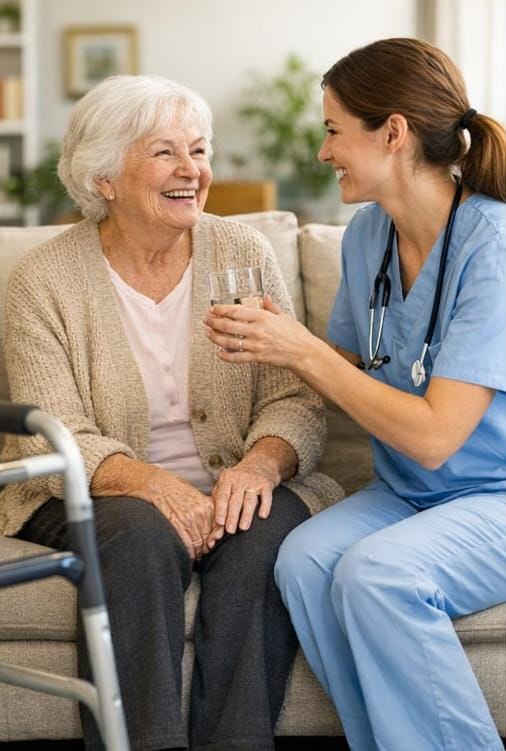
Physical changes often reveal the need for more support. Observing these signs can guide you in making timely decisions for your loved one’s care.
Noticeable Weight Loss or Gain
Significant weight changes can indicate health issues. If your loved one is losing or gaining weight rapidly, it might be a sign of poor nutrition or medical complications. This is where a personalized care plan becomes vital.
Caregivers assist with meal planning to ensure nutritional needs are met. They also monitor weight and eating habits, addressing concerns before they impact recovery.
Signs of Wound Infection
Wound care at home is essential for those recovering from surgery or injury. Watch for signs of infection such as redness, warmth, or unusual discharge. These symptoms require prompt attention to prevent further health complications.
Professional caregivers are skilled in wound care. They provide regular monitoring and treatment, ensuring wounds heal properly and reducing the risk of infection.
Persistent Fatigue or Weakness
Ongoing fatigue or weakness can slow down recovery. If your loved one feels constantly tired or struggles with simple activities, it might indicate they need more support.
Home care offers a solution by providing assistance with daily tasks. Caregivers help manage energy levels and ensure your loved one’s needs are met, promoting a more comfortable recovery process.
By recognizing these warning signs and seeking appropriate support, you can help your loved one transition from the hospital to home with confidence and care.