

Seeing a loved one struggle after a hospital stay is tough. You want to help, but it’s hard to know when skilled nursing at home is the right step. This guide lays out 12 clear signs that show when professional support can make a real difference in recovery and safety. Keep reading to learn how to spot these signs and what to do next for your family’s peace of mind. Learn more.
Recognizing the Need for Home Nursing

When a loved one returns from the hospital, it’s crucial to know the signs that indicate the need for home-based skilled nursing. Understanding these signs ensures timely intervention for a smoother recovery.
Behavioral Changes to Watch For
Do you notice changes in your loved one’s behavior? Mood swings or withdrawal can signal the need for support. These shifts may indicate stress or discomfort in managing daily tasks without help.
-
Frequent Irritability: This can stem from frustration due to limited mobility or pain.
-
Isolation: Avoiding social interactions may show your loved one is struggling with changes in their health.
Addressing these changes with skilled nursing at home can restore comfort and routine, easing both physical and emotional burdens. By having a professional to assist with daily activities, your loved one can regain confidence and maintain a positive outlook.
Physical Symptoms Indicating Need
Physical signs can clearly show when professional care is necessary. Frequent falls or difficulty moving often indicate that additional support is crucial for safety.
-
Repeated Falls: These may happen due to muscle weakness or balance issues.
-
Weight Loss: Difficulty preparing meals or eating may lead to noticeable weight changes.
Recognizing these symptoms early can prevent further complications. Skilled nursing offers assistance with mobility and nutrition, ensuring your loved one receives proper care to support their health and recovery.
Cognitive Declines Requiring Attention
Cognitive changes, such as memory lapses or confusion, can be distressing. These shifts might suggest it’s time to consider nursing support at home.
-
Forgetfulness: Missing appointments or forgetting to take medication can pose serious health risks.
-
Disorientation: Getting lost in familiar places or having trouble following conversations are signs of cognitive decline.
Incorporating skilled nursing into your care plan can provide the necessary oversight and guidance. With professional help, your loved one can navigate daily tasks safely while preserving their dignity and independence. Discover more about how to identify these signs here.
Benefits of Skilled Nursing at Home

Choosing skilled nursing services brings many benefits to your home environment, enhancing both health and overall well-being.
Personalized Care Plans Explained
Personalized care plans ensure that each individual’s unique needs are met effectively. Skilled nurses work closely with families to create tailored solutions that focus on personal health goals.
-
Individual Assessments: Care plans begin with evaluating specific health conditions and preferences.
-
Ongoing Adjustments: As health improves or changes, care plans are modified to suit evolving needs.
These plans provide a structured approach that prioritizes your loved one’s recovery and comfort. The emphasis on personalized care helps in achieving better health outcomes and a higher quality of life.
Safety and Medication Management
Safety is a top priority when caring for someone at home. Skilled nurses ensure medication management is handled correctly, reducing the risk of errors.
-
Regular Monitoring: Nurses check vital signs and manage medication schedules to prevent complications.
-
Emergency Preparedness: Professionals are trained to respond to medical emergencies, providing peace of mind.
Proper management of medications and safety protocols prevents accidents and promotes a stable recovery environment. This level of care is vital for those with complex medical needs.
Support for Families and Caregivers
Supporting families is just as important as caring for patients. Skilled nursing services offer invaluable help to caregivers, allowing them to take necessary breaks.
-
Respite Care: Temporary relief helps caregivers recharge without compromising their loved one’s care.
-
Emotional Support: Professionals provide guidance and reassurance, helping families navigate the challenges of home care.
This support system not only relieves stress but also ensures your family can continue providing loving care without feeling overwhelmed. Learn more about how these services can help here.
Making the Transition to Home Care
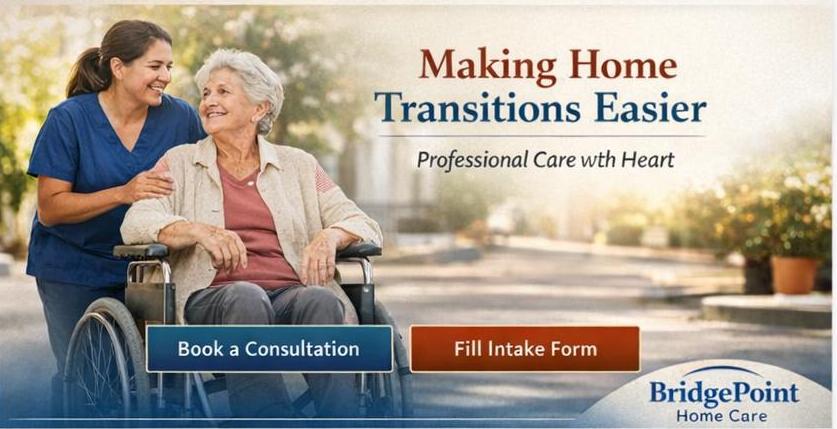
Once you notice these signs, transitioning to home care is the next step. Preparing for this change can make the process smoother for everyone involved.
Steps for a Smooth Hospital to Home Transition
Transitioning from hospital to home involves several key steps. With proper planning, it can be a seamless experience for your loved one.
-
Communicate: Keep open lines of communication with healthcare providers to understand your loved one’s needs.
-
Prepare the Home: Make necessary modifications to ensure safety and accessibility.
-
Coordinate Care: Arrange for services such as skilled nursing at home to support ongoing recovery.
These steps ensure your loved one feels secure and supported as they settle back into their home environment. A well-planned transition fosters confidence and comfort.
Importance of Transitional Care Assessments
Transitional care assessments are pivotal in tailoring home care to meet specific needs. These evaluations identify critical areas of support and guide care planning.
-
Comprehensive Reviews: Assessments cover medical history, current health status, and home environment.
-
Goal Setting: Establish clear objectives for recovery, aligning care with personal aspirations.
Conducting these assessments early can prevent potential setbacks, allowing for a proactive approach to care. Understanding the importance of this step can significantly impact recovery.
Finding Professional Home Care in London Ontario
Finding reliable home care services in London, Ontario, is vital for ensuring quality care. BridgePoint Home Care Inc. stands out with its commitment to compassionate home care services.
-
Local Expertise: With deep roots in the community, they offer responsive and accessible services.
-
Skilled Professionals: Their team is dedicated to delivering high-quality, personalized care.
Choosing a trusted provider like BridgePoint Home Care Inc. guarantees your loved one receives the attention and support needed for a successful recovery. Explore more about their services here.
In conclusion, recognizing when skilled nursing at home is necessary can make all the difference in a loved one’s recovery journey. By understanding the signs and benefits, families can make informed decisions, ensuring peace of mind and a brighter future for their loved ones.