

Choosing the right home care after hospital discharge in London, Ontario can feel overwhelming when you’re focused on healing. You need a partner who understands your unique needs and helps you regain independence safely. This guide breaks down the essential steps to select trusted, professional support—making your hospital to home transition as smooth and confident as possible.
Understanding Home Care Options

Navigating home care options can seem like a daunting task. Let’s break it down into manageable pieces to help you make informed decisions about your care.
Types of Home Care Services
Home care isn’t one-size-fits-all. It’s vital to understand the different services available to you. Skilled nursing provides medical care right at home, ideal for wound care or administering medications. There’s also personal care, which helps with daily tasks like bathing and dressing. Therapies, such as physical or occupational, are often part of a comprehensive care plan.
These services don’t just help with physical tasks. They offer peace of mind knowing there’s a professional available to assist with medical and personal needs. Take a moment to reflect on what specific services your situation may require.
Choosing the Right Provider
Selecting a provider is about finding the right fit. You need a team that listens and responds to your needs. Start by researching local providers. Look at reviews and ask for recommendations from healthcare professionals. Meeting with a provider can also give you a sense of their approach and values.
Consider not just the services they offer, but how they deliver them. Compassionate care that respects your dignity and preferences is crucial. Ask yourself: Does this provider feel like a partner in my recovery?
Importance of Personalized Care Plans
A tailored care plan is essential for effective home care. It addresses your unique needs and goals. This plan should detail the types of care you’ll receive and set clear recovery milestones. It’s not just about receiving care, but progressing towards greater independence.
Personalized plans ensure that all aspects of your health and lifestyle are considered. When your care is aligned with your personal goals, you’re more likely to see positive outcomes and feel empowered throughout your recovery journey.
Steps for a Safe Transition

Transitioning from hospital to home is a critical time. By following these steps, you can help ensure a smooth move back home.
Hospital Discharge Planning
Your discharge plan sets the stage for your recovery at home. Engage with your healthcare team early in your hospital stay to develop this plan. It should include detailed instructions on medications, follow-up appointments, and any home care services you’ll need.
This plan is your roadmap. Use it to organize everything you need before leaving the hospital. Having this plan in place can reduce stress and make your return home more comfortable.
Assessing Home Safety Needs
Home safety is vital to prevent accidents and promote healing. Evaluate your living space for potential hazards. Are there loose rugs or clutter that could cause falls? Do you need grab bars installed in the bathroom?
Addressing these safety concerns can significantly enhance your recovery. A safer home environment means fewer risks and a more comfortable healing space.
Coordinating Skilled Nursing at Home
Skilled nursing at home is a key component of post-discharge care. Nurses can monitor your health, manage medications, and provide treatments like wound care. Coordinating these services should be part of your discharge plan.
This step ensures that you have the medical support needed to recover safely at home. Knowing a skilled professional is there can provide peace of mind for both you and your family.
Supporting Recovery and Independence
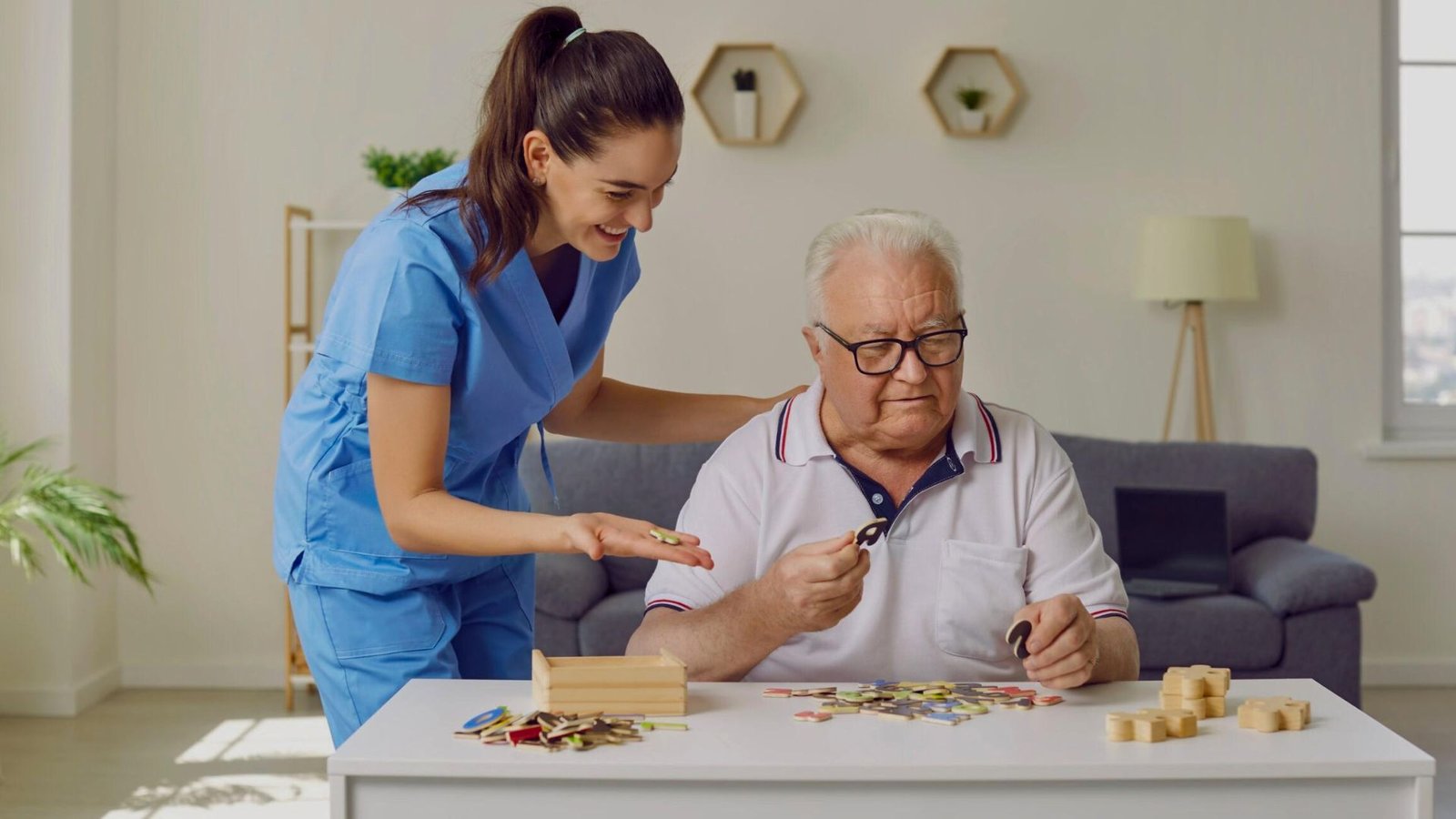
Let’s focus on how to support your recovery while promoting independence at home.
Caregiver Support and Family Respite
Caregivers play a crucial role in home recovery. They provide daily support and help manage your care needs. However, caregivers also need breaks. Family respite services offer temporary relief, so caregivers can recharge, ensuring they remain effective.
Supporting caregivers benefits everyone involved. It maintains their well-being, which translates to better care for you. Consider how respite care could be a valuable addition to your support network.
Pediatric and Senior Care Considerations
Different age groups have unique care needs. For children, home care might involve school reintegration and developmental support. Seniors often need assistance with mobility and managing chronic conditions.
Personalized care plans should reflect these age-specific needs. Tailoring care in this way ensures it is both effective and respectful of the individual’s stage of life.
Culturally Sensitive and Inclusive Care
Culturally sensitive care respects your values and traditions. It’s about feeling understood and respected in your home care journey. Whether it’s language preferences or dietary needs, addressing cultural considerations can enhance your comfort and satisfaction with care.
This approach promotes a supportive environment, allowing you to focus on recovery. It’s essential to communicate your cultural needs to your provider, ensuring they are integrated into your care plan.
In summary, navigating home care post-discharge involves understanding your options, planning for safety, and engaging the right support systems. By focusing on personalized, compassionate care, you can foster a recovery that respects your dignity and independence.