
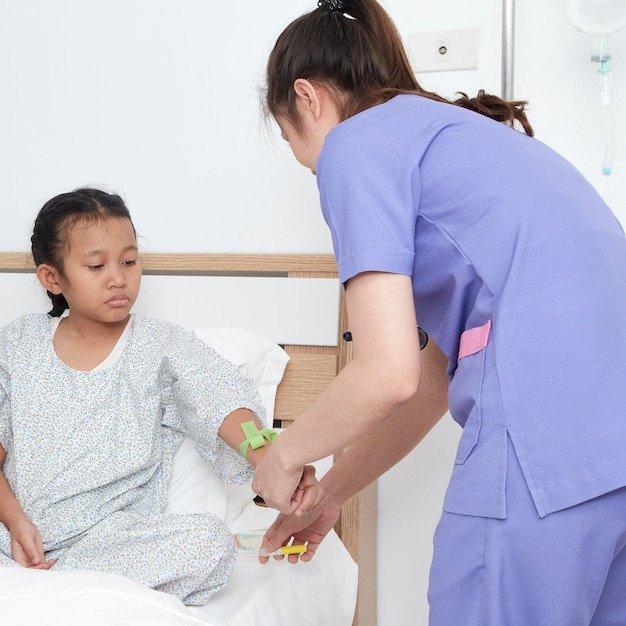
Home care for children with medical needs in London, Ontario goes beyond basic support—it creates a safe, nurturing space where your child can heal and grow. Moving from hospital to home can feel overwhelming, especially when managing complex care needs. That’s why BridgePoint Home Care London offers skilled nursing and personalized plans designed to ease this transition, helping your family regain confidence and focus on what matters most: your child’s well-being and independence.
Transitioning from Hospital to Home
Bringing your child home after a hospital stay is a huge step. It’s all about creating an environment that feels safe and supportive. Let’s explore how to make this transition smooth and comforting.
Planning for a Safe Return
The first step is ensuring your home is ready to meet all your child’s needs. This involves setting up necessary medical equipment and creating a comfortable space for your child. It’s essential to think about accessibility and safety in every detail. You may need to rearrange furniture or install ramps and handrails. This preparation can help reduce stress and make the homecoming more pleasant for everyone.
Coordinating with Healthcare Team
Collaboration with your child’s healthcare team is crucial. Regular communication ensures you’re fully informed about your child’s care plan and medication schedule. This team might include doctors, nurses, and therapists who have been involved in your child’s hospital care. They will provide guidance on the daily medical routines and what you can expect in the coming weeks. By maintaining this connection, you can address any concerns that arise, ensuring your child’s health and happiness at home.
Personalized Care Plan Creation
Every child is unique, and so are their care needs. That’s why personalized care plans are vital. These plans outline the specific medical support your child requires. They also include strategies for encouraging independence and confidence. A well-crafted care plan considers your child’s medical history, current needs, and future goals. It’s a roadmap to recovery and growth, offering peace of mind that your child is receiving the best care possible.
Comprehensive In-Home Pediatric Care
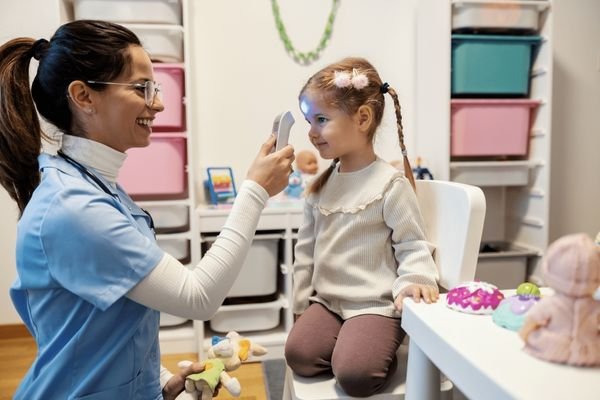
Once settled at home, having comprehensive care is invaluable. It ensures your child receives the attention they need to thrive. Let’s delve into the different aspects of pediatric home care.
Skilled Nursing and Medical Support
Skilled nursing care is foundational for children with medical needs. Nurses provide essential services such as administering medications, monitoring vital signs, and offering wound care. They are trained to handle complex medical devices like ventilators or feeding tubes. This level of care helps prevent hospital readmissions and ensures that health issues are addressed promptly. With skilled nursing in place, you can focus on family time, knowing your child’s health is in expert hands.
Therapy and Developmental Activities
Therapy plays a critical role in your child’s development and recovery. Occupational and physical therapists create engaging activities that promote growth and learning. These sessions can include exercises to improve motor skills or activities designed to enhance cognitive development. Therapy sessions are tailored to your child’s interests and abilities, making them both enjoyable and effective. By integrating these activities into your daily routine, you’re helping your child reach their full potential.
Respite Care for Families
Caring for a child with medical needs can be demanding. That’s where respite care comes in, offering temporary relief for families. This service allows you to take a break, recharge, and tend to other responsibilities. During respite care, your child continues to receive professional attention in a safe environment. This balance of care ensures that both your child’s needs and your own are met, reducing stress and promoting overall family well-being.
School Reintegration and Community Support

Returning to school is another significant step in your child’s journey. It requires careful planning and communication to ensure a smooth transition. Here’s how you can support this process.
Designing a School Transition Plan
A successful school reintegration begins with a solid transition plan. This plan outlines the accommodations and support your child will need at school. It might include modified schedules, special equipment, or additional support staff. Collaborating with teachers and school administrators is key to creating an environment where your child feels safe and included. With the right plan, you’re setting up your child for academic and social success.
Engaging with Educational Partners
Building strong relationships with educational partners can make a big difference. Teachers, counselors, and special education staff are essential allies in supporting your child. Regular meetings and open communication help keep everyone on the same page. This collaborative approach ensures that adjustments can be made as needed, keeping your child’s education on track. By working together, you create a positive and supportive school experience for your child.
Ongoing Communication and Updates
Consistent communication is crucial to maintaining your child’s progress. Regular updates from school staff help you stay informed about your child’s achievements and any challenges they might face. This feedback allows you to make informed decisions about additional support or changes to care plans. Keeping the lines of communication open ensures your child continues to thrive both at home and school.
In summary, transitioning from hospital to home and integrating into the community involves careful planning and support. By partnering with professionals and educational staff, you create a supportive environment where your child can flourish. This holistic approach ensures that your child’s well-being is at the forefront, providing you with peace of mind and confidence in their care journey.