

Most home care plans miss key steps that ensure safety and confidence during recovery. You deserve more than generic support after leaving the hospital—a plan tailored to your needs can make all the difference. In this post, you’ll learn what personalized home care should include to help you or your loved one regain strength and independence at home. For more insights, visit this resource.
Essential Post-Discharge Care Elements
After leaving the hospital, having a tailored plan in place is vital for a smooth recovery. Understanding the key components of personalized care can help enhance healing and independence at home.
Personalized Care for Recovery
Imagine returning home with a plan that truly understands your needs. Personalized care is about creating a blueprint that matches your recovery goals. This approach ensures that every aspect of your care contributes to regaining strength and confidence. By focusing on specific needs, such as mobility or special dietary requirements, your plan becomes a guiding light on your road to recovery.
Personalized care might include regular check-ins to adjust your plan as you progress. This flexibility is crucial for adapting to changing needs and ensuring you remain on track. With the right support, you can look forward to achieving personal milestones and regaining your independence sooner.
Importance of Skilled Nursing at Home
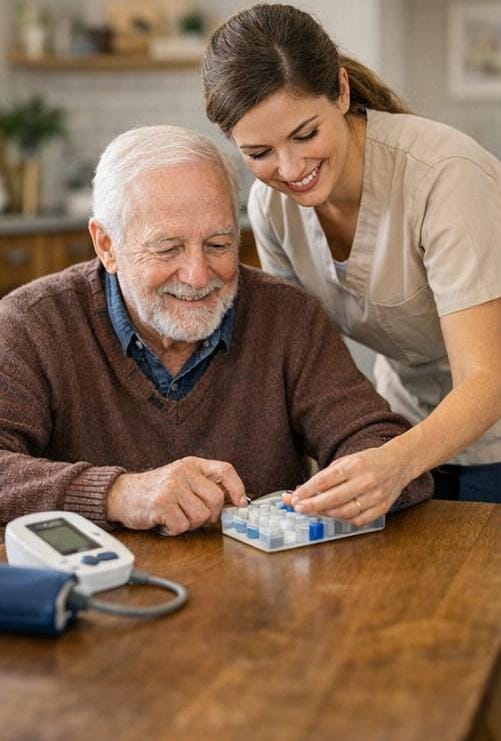
Skilled nursing at home brings professional healthcare right to your door. This service is about more than just medical aid; it’s about having expert support during crucial recovery stages. Nurses can manage complex health needs, monitor vital signs, and provide necessary treatments. This ongoing care helps prevent complications and supports overall well-being.
Having skilled nurses also means receiving education on managing your health. They can teach you how to administer medications or care for wounds, empowering you to become an active participant in your recovery journey. This knowledge builds confidence and promotes faster healing.
Medication and Wound Care Management
Managing medications and wound care at home can be daunting. Proper medication management ensures you take the right dosages at the correct times, preventing possible setbacks. A structured medication plan is essential for maintaining health and avoiding hospital readmissions.
Wound care is equally important. Proper management of wounds can speed up healing and reduce the risk of infection. Having professionals assist with these tasks can provide peace of mind, knowing that your recovery is in capable hands. Their expertise ensures that you are following best practices for a safer and quicker recovery.
Rehabilitation and Safety Measures
Once you have a care plan, it’s important to consider the environment where recovery takes place. Rehabilitation and safety measures are crucial for creating a supportive home setting.
Home Safety and Fall Prevention
Your home should be a haven, not a hazard. Fall prevention starts with a thorough safety assessment. Simple changes, like removing loose rugs and installing grab bars, can significantly reduce risk. This proactive approach is essential for maintaining safety as you heal.
Consider adding non-slip mats in bathrooms and adequate lighting throughout your home. These adjustments create a supportive environment where you can focus on getting better without fear of injury. For more tips on home safety, check out Johns Hopkins Medicine.
Rehabilitation Support at Home
Rehabilitation doesn’t have to happen in a facility. Home-based support allows you to recover in familiar surroundings, which can boost your morale. Specialized exercises and therapies can be tailored to meet your unique recovery needs, enhancing your journey back to health.
In-home therapists assess your progress and make necessary adjustments to your regimen. This personalized attention ensures that you’re on the right track and helps prevent potential complications. Home rehabilitation is a powerful tool for regaining independence.
Physiotherapy and Occupational Therapy
Physiotherapy and occupational therapy are cornerstones of effective rehabilitation. Physiotherapy focuses on restoring movement, while occupational therapy helps you regain daily living skills. These therapies complement each other, providing a comprehensive approach to recovery.
Therapists work with you to develop a plan that targets specific goals, like improving balance or increasing flexibility. This structured approach not only aids recovery but also boosts confidence as you master new skills. By engaging in these therapies at home, you can seamlessly integrate them into your routine, making recovery more attainable.
Supporting Families and Caregivers

Recovery impacts not just individuals but their families too. Support systems are vital for ensuring both the patient and caregivers thrive during this time.
Caregiver Respite Services
Caregiving is rewarding but can also be exhausting. Respite services offer much-needed breaks for caregivers, allowing them to recharge. These services ensure that your loved one is in good hands while you take time for self-care, which is crucial for maintaining your health and effectiveness as a caregiver.
Consider scheduling regular respite care to maintain balance and prevent burnout. This support is invaluable in sustaining a healthy caregiving environment and can contribute to a more positive recovery experience for everyone involved.
Culturally Sensitive Care Plans
Every individual is unique, and so are their cultural backgrounds. Culturally responsive care respects these differences, ensuring that treatment plans align with personal beliefs and practices. This approach fosters trust and enhances the healing process by acknowledging and respecting cultural values.
By incorporating cultural preferences into care plans, families feel understood and respected. This personalized attention makes a significant difference in the quality of care received and can positively impact recovery outcomes.
Pediatric Home Care in London
Children recovering at home need specialized attention. Pediatric home care services are designed to address the unique needs of young patients, ensuring they receive appropriate support tailored to their developmental stage. This care often involves collaboration with families to create a nurturing environment for healing.
Involving family members in care planning enhances the child’s recovery journey. Supportive home care ensures that your child receives the best possible attention, promoting a sense of security and well-being. For more on pediatric home care, explore Affirmed Home Care.
By understanding these elements, you are better equipped to choose a home care provider that meets your needs. A personalized, compassionate approach ensures recovery is not just possible but successful.