
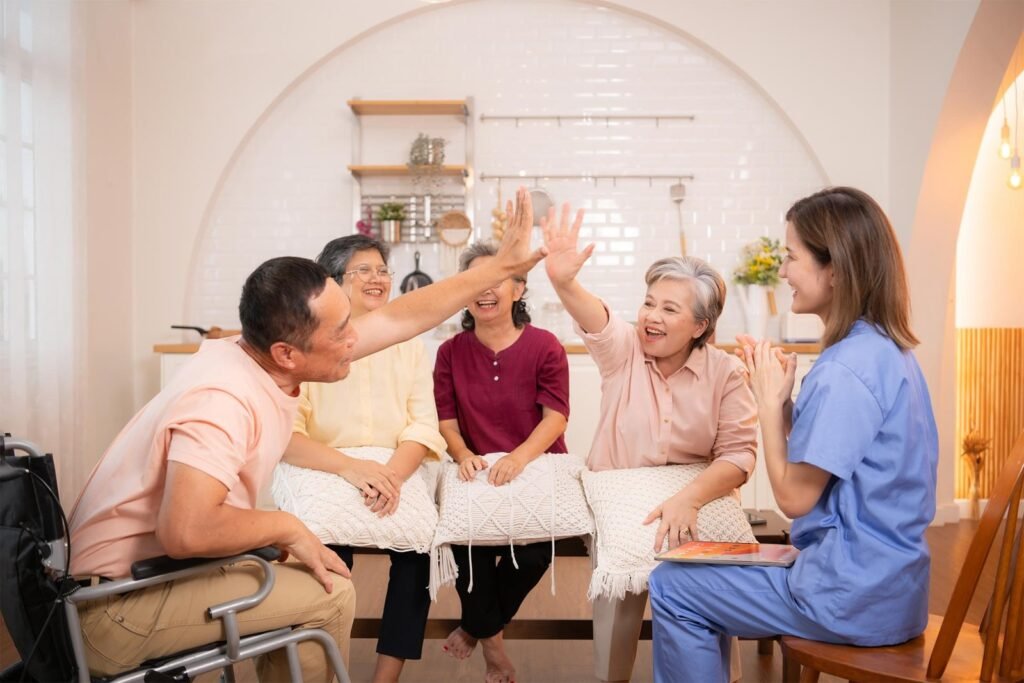
Many Ontario families face challenges when transitioning from hospital to home care, especially when cultural needs go unmet. Culturally responsive home care ensures safety, trust, and better recovery by respecting your family’s language, faith, and traditions. At BridgePoint Home Care, we create personalized care plans that feel like home, offering support tailored to you. Learn how this approach makes all the difference in your healing journey. Supporting Cultural Diversity in Long-Term Care is crucial to enhancing outcomes and satisfaction for diverse communities.
Importance of Culturally Responsive Home Care
Culturally responsive home care bridges the gap between medical settings and home, creating a sense of safety and trust for families. Here’s how it can transform your family’s care journey.
Enhancing Trust and Safety
Trust is the foundation of effective care. When caregivers understand and respect your language and traditions, trust flourishes. This makes your home feel secure and welcoming. Knowing that your caregivers share your language can be comforting. It minimizes misunderstandings and fosters clear communication. When your cultural practices are respected, you feel more at ease, which is especially important during recovery.
Safety goes beyond physical well-being. Emotional safety matters too. Feeling understood and respected in your cultural context can reduce stress and promote healing. By ensuring that care aligns with culturally sensitive practices, families experience a sense of belonging and security in their care routine.
Improving Recovery Outcomes
Healing at home is more effective when care aligns with your cultural norms. Studies show culturally appropriate care improves adherence to treatment, leading to better recovery. This approach empowers families to engage more actively in the recovery process. By aligning care with cultural practices, families can maintain their routines, which enhances healing.
Recovery isn’t just physical. Emotional and cultural well-being play a role too. When your cultural identity is respected, you are more likely to engage fully in your recovery journey. This holistic approach to care supports long-lasting health improvements and overall well-being.
Building Stronger Family Connections
Culturally responsive care strengthens family bonds. When care reflects your values, it invites family participation and fosters connection. Families play a vital role in the healing process. Culturally aligned care encourages family members to take part in daily routines, enhancing the support system.
By incorporating cultural norms into care, families feel respected and valued. This respect fosters a nurturing environment where everyone collaborates towards recovery. Strong family connections are essential for emotional support, which is crucial during challenging times. This approach ensures that everyone feels included and empowered in the care process.
Benefits of Personalized Care Plans
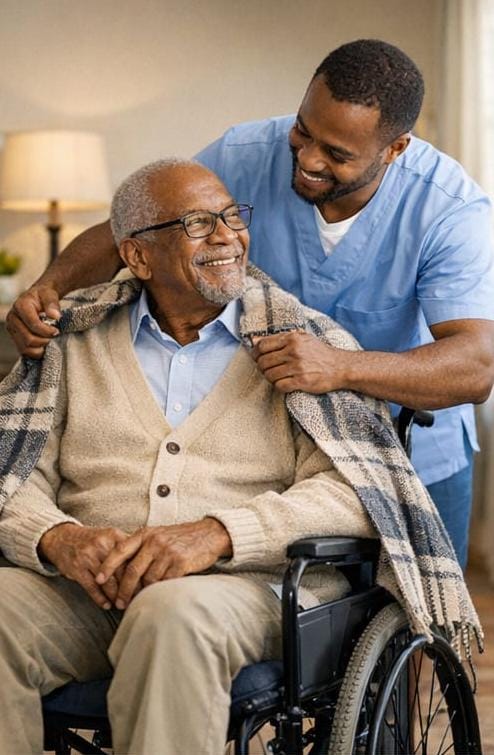
A one-size-fits-all approach doesn’t work in home care. Personalized care plans ensure that services meet your family’s unique needs, from language to dietary preferences.
Language-Matched Caregivers
Language barriers can hinder care quality. Having caregivers who speak your language improves communication and builds trust. Language comprehension is vital for accurate care. When caregivers speak your language, it minimizes confusion and ensures you feel understood. This clarity fosters trust, making care more effective and comforting.
Language-matched caregivers can also facilitate smoother interactions. They’re able to understand your preferences and needs without needing constant translation, offering peace of mind for both clients and families. This direct communication establishes a strong caregiver-client relationship, enhancing the overall care experience.
Faith and Dietary Considerations
Respect for faith and dietary needs is crucial in personalized care. Aligning care with your beliefs ensures comfort and adherence to routines. Faith-sensitive care respects your spiritual practices, allowing you to maintain important rituals during recovery. This respect can enhance your emotional well-being, offering a sense of peace and connection.
Dietary needs are another vital aspect. Care plans that respect your dietary restrictions or preferences make meals enjoyable and safe. By considering these factors, caregivers ensure that your daily life reflects your values and beliefs, promoting both physical and emotional well-being.
Family-Inclusive Planning
Involving families in care planning strengthens the support network. When everyone participates, it ensures the plan aligns with your family dynamics and needs. Family-inclusive planning acknowledges the role of family in recovery. By involving loved ones, care becomes a collaborative effort, enhancing support and understanding.
This approach ensures that care plans are realistic and effective. It also allows for flexibility, accommodating changes in family dynamics or needs. By including family members in planning, everyone feels valued and informed, creating a supportive environment that fosters healing.
Understanding Hospital-to-Home Transitions

Transitions from hospital to home can be challenging. Understanding the role of skilled nursing and comprehensive services can ease this process.
Role of Skilled Nursing at Home
Skilled nursing at home is crucial for a smooth transition. It provides the medical expertise needed to continue recovery safely at home. Skilled nurses offer medical care tailored to your recovery needs. They monitor health, manage medications, and provide necessary treatments, ensuring a seamless transition from hospital to home.
These professionals also offer reassurance. Knowing that skilled care is available at home reduces anxiety and allows you to focus on healing. With skilled nursing support, families can rest assured that their loved ones are receiving expert care in a familiar setting.
Support for Newcomer Families
Newcomer families face unique challenges during transitions. Tailored support services can help them navigate the healthcare system with confidence. Newcomer families often encounter language and cultural barriers that can complicate home care. Personalized support services help bridge these gaps, ensuring that care is accessible and effective.
These services also provide guidance on navigating healthcare systems. By offering culturally responsive resources and support, newcomer families can integrate more smoothly into their new environment. This support fosters independence and confidence in managing home care.
Comprehensive Post-Discharge Services
Comprehensive services are essential for successful post-discharge care. They address medical, emotional, and practical needs, ensuring holistic recovery. Post-discharge services offer a wide range of support, from medical care to emotional counseling. This comprehensive approach addresses all aspects of recovery, promoting long-term well-being.
These services also include practical support, such as transportation or meal preparation, making the transition home smoother. By offering a full spectrum of care, families can focus on healing, knowing that their needs are met.
In conclusion, culturally responsive home care provides a tailored approach that respects your family’s unique needs, fostering trust, safety, and effective recovery. By embracing personalized care plans and understanding the importance of skilled nursing and comprehensive services, families can confidently navigate the transition from hospital to home, ensuring a supportive and nurturing environment for healing.