

Bringing your child home after a hospital stay is filled with hope—and challenges. Balancing medical treatment with daily routines and family life can feel overwhelming. At BridgePoint Home Care, we specialize in pediatric home care London Ontario families trust to support safe, smooth hospital to home transitions. Keep reading to learn how personalized care plans and skilled nursing at home can help your family find balance and confidence during this important time.
Balancing Medical Needs and Daily Life
Your child’s medical care doesn’t have to disrupt family life. With the right approach, you can blend essential treatment with your daily routine, ensuring both needs are met.
Integrating Treatment into Routines
Navigating the complexities of healthcare while maintaining normalcy can be tough. By establishing consistent daily schedules, you can incorporate pediatric home care that feels like a natural part of your family’s life. For example, align medication times with meals or nap times. This way, medical routines become a seamless extension of everyday activities.
Most families find that making treatment predictable helps reduce stress. Write down treatment times and tasks on a family calendar. This organization not only clarifies what needs to be done but also fosters a sense of normalcy. Knowing what to expect can ease the transition for everyone involved.
Supporting Family Dynamics
Shifts in family roles are common when caring for a child with medical needs. Open communication keeps everyone on the same page. Regular family meetings can help discuss roles and responsibilities. Sharing tasks evenly ensures that no single family member feels overwhelmed.
Support networks are crucial. Whether it’s extended family or community groups, having people to lean on lightens the load. Most families find relief in knowing they’re not alone. This shared experience can strengthen family bonds, making everyone feel more connected and supported.
Encouraging Independence and Growth
Fostering independence in your child is vital. Encouraging them to participate in their care promotes self-esteem. Start with small tasks, like letting them choose their clothing or assist in simple medical routines. This involvement can help them feel more in control of their environment.
Growth is about more than just medical milestones. Celebrate achievements, big or small, to build confidence. For example, if your child learns a new skill or reaches a therapy goal, recognize it with praise or a family activity. This positive reinforcement encourages further progress and happiness.
Transitioning from Hospital to Home

Moving from hospital to home is a crucial juncture. To ease the transition, a well-thought-out plan is key.
Safe Discharge Planning Essentials
A safe discharge plan is the backbone of a smooth transition. Before leaving the hospital, ensure a comprehensive understanding of your child’s needs. Create a checklist of necessary supplies and medications. Discuss any concerns with your healthcare team to ensure clarity and confidence in your care plan.
Educate yourself on potential warning signs. Knowing what to look for can prevent emergencies. This knowledge gives you the confidence to manage unexpected situations effectively. Also, scheduling a follow-up with your child’s healthcare provider is a good step to ensure continuity of care.
Coordinating In-Home Pediatric Therapy
Therapies at home provide comfort and convenience. Coordination is key. Work with your healthcare team to schedule therapy sessions that fit into your family’s routine. This balance ensures therapy is effective without feeling intrusive.
Consider telehealth options for flexibility. Many therapies can be adapted to virtual formats, providing the same level of care with added convenience. Staying connected with therapists virtually can also enhance communication, ensuring your child receives comprehensive support.
Personalized Care Plans for Every Child
Every child is unique, and so are their care needs. A personalized plan ensures that care is tailored to meet specific requirements. Collaborate with healthcare providers to develop a plan that considers your child’s medical history, current needs, and future goals.
Revisit and adjust the plan regularly. As your child grows, their needs may change. Regular updates ensure the plan remains relevant and effective, paving the way for ongoing progress and comfort.
Understanding Pediatric Home Care Services
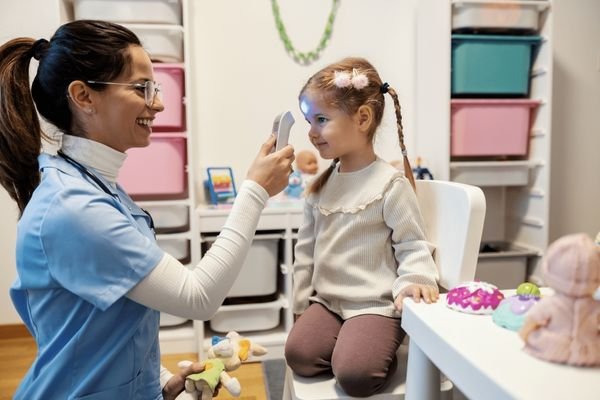
Pediatric home care offers a range of services tailored to your child’s needs. Understanding these options can help you make informed decisions.
Skilled Nursing and Medication Management
Skilled nursing ensures professional care at home. Nurses handle complex medical needs, from administering medication to managing medical equipment. Their expertise provides peace of mind, knowing your child is in capable hands.
Medication management is crucial. Nurses ensure medications are given correctly and on time. This precision reduces the risk of complications, keeping your child’s health on track. Families often find comfort in knowing there’s a professional overseeing this critical aspect of care.
Family Respite and School Reintegration Support
Caring for a child with medical needs can be demanding. Family respite services offer much-needed breaks, allowing you to recharge. These services ensure your child continues to receive quality care in your absence.
Returning to school is another critical transition. School reintegration support can help your child adjust to classroom settings. This support bridges the gap, ensuring academic and social success while accommodating medical needs.
Culturally Responsive Care Coordination
Cultural sensitivity enriches care. Understanding and respecting diverse backgrounds ensures that care aligns with your family’s values. This respect fosters trust and communication, vital components of effective care.
Care coordination tailored to cultural contexts ensures that every aspect of care feels personalized and respectful. This approach not only supports your child’s medical needs but also nurtures their identity and belonging.
Frequently Asked Questions
What is pediatric home care?
Pediatric home care involves medical services provided at home for children with medical or developmental needs. It includes skilled nursing, therapy, and personalized care plans to support health and well-being.
How can I manage my child’s medication schedule at home?
Integrate medication schedules into daily routines, like aligning doses with meals. Keep a visible calendar and set reminders to ensure consistency. Involve healthcare professionals for detailed management strategies.
What are the benefits of respite care for families?
Respite care provides temporary relief for primary caregivers, allowing them to rest and recharge. This service ensures that children still receive quality care, reducing caregiver burnout and stress.
How can I help my child transition back to school?
Work with teachers and healthcare providers to create a supportive plan. Include accommodations for medical needs and regular communication with school staff to monitor progress and address any issues promptly.
What does culturally responsive care mean?
Culturally responsive care respects and incorporates a family’s cultural background and values into healthcare planning. This approach enhances trust, communication, and overall effectiveness of care.