

Home recovery often feels tougher than expected, and you’re not alone in this. Many people face unexpected challenges during the hospital to home transition that can slow progress or cause worry. Knowing the signs you need home care can help you get the right support before things become overwhelming. In this post, you’ll find 10 clear signals that it’s time to consider home recovery support tailored to your needs in London, Ontario. Learn more about how to support recovery here.
Common Post-Discharge Challenges
Post-discharge recovery often comes with hurdles that can be challenging to manage alone. Understanding these common challenges is the first step to recognizing when extra support might be necessary.
Struggles with Daily Tasks
Daily chores can be surprisingly challenging after leaving the hospital. Tasks like cooking, cleaning, and personal hygiene might feel overwhelming. You might notice that what was once simple now takes a lot of effort. This change can be a clear signal that extra help is needed. It’s not only about the physical demand but also the mental strain of trying to manage everything on your own. Assistance in these areas can make a significant difference, allowing you to focus on what matters most: healing and resting.
Managing Pain and Discomfort
Pain can be a lingering issue that disrupts daily life. Whether it’s sharp pain from surgery or ongoing discomfort, managing it effectively is crucial. If pain persists despite medication, it might be time to seek additional care. Pain can also affect sleep, making you feel tired and irritable. A professional caregiver can help monitor your pain levels and adjust care plans as needed. This support ensures you’re not just enduring pain, but managing it effectively.
Emotional Stress and Fatigue
The emotional toll of recovery can be just as significant as the physical aspect. Anxiety about healing, fear of setbacks, and fatigue can weigh heavily on your mental health. Feeling overwhelmed or stressed is common, but it shouldn’t be ignored. Emotional support from a caregiver can provide reassurance and relief. They can offer companionship and practical help, easing the emotional burden and allowing you to focus on recovery. For more insights on mental health support, explore this guide.
Recognizing the Need for Extra Support
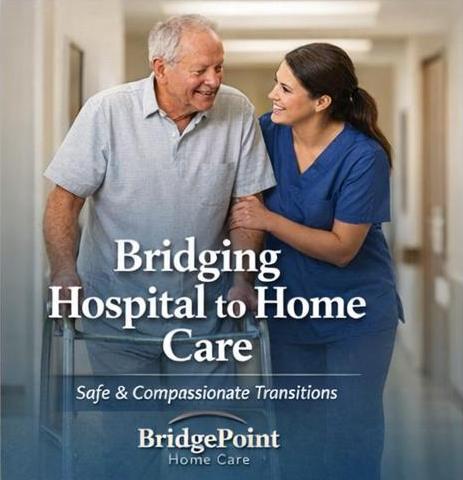
Identifying when additional help is necessary can make a significant difference in your recovery journey. Let’s explore some signs that professional home care might be beneficial.
Difficulty with Mobility
Mobility challenges can arise unexpectedly after discharge. If moving around your home becomes difficult, it’s a clear sign that support is needed. Struggling with stairs, getting in and out of chairs, or even walking short distances indicates it’s time to consider assistance. A caregiver can provide the physical support you need to move safely and confidently. This help not only prevents falls but also boosts your independence by providing the stability you need.
Medication Confusion and Management
Managing multiple medications can be confusing and overwhelming. If you’re finding it hard to keep track of doses or experience side effects, it’s crucial to seek help. Medication errors can have serious consequences, so having a professional to manage your regimen can provide peace of mind. A caregiver can ensure you take the right medication at the right time, helping to prevent potential complications.
Inadequate Wound Care at Home
Proper wound care is essential for healing, but it can be difficult to manage alone. If you notice redness, swelling, or any signs of infection, it’s important to seek additional support. A skilled nurse can provide the expertise needed to care for wounds properly. This ensures infections are prevented, and healing is on track. Their assistance can also relieve you of the stress and uncertainty that often comes with wound care.
Steps Towards a Safe Recovery
Taking proactive steps towards recovery with professional support can make a significant difference. Here’s how personalized care and skilled nursing can aid your journey.
Personalized Care Plan Benefits
A personalized care plan tailored to your needs ensures you receive the right support at the right time. This plan considers your specific health challenges and personal preferences. It provides a roadmap for recovery, ensuring all aspects of your health are addressed. Personalized plans can adapt as your needs change, making them an invaluable tool for a smooth recovery journey.
Importance of Skilled Nursing at Home
Skilled nursing care at home brings professional medical support directly to you. Nurses can manage complex care needs, provide medical treatments, and monitor your health. This level of care is essential for patients with complicated health conditions. Skilled nursing also offers peace of mind, knowing that medical expertise is always within reach.
How BridgePoint Supports Your Journey
BridgePoint Home Care specializes in helping you transition from hospital to home smoothly. Our services are designed to support your unique recovery needs. We focus on empowering you through professional, compassionate care. Whether it’s skilled nursing, personalized care plans, or emotional support, we are here to make your recovery as comfortable and safe as possible.
Frequently Asked Questions
What are the signs that I need home care support?
Signs include difficulty managing daily tasks, persistent pain, medication confusion, and mobility challenges. Recognizing these signs early can ensure you receive the support you need.
How does a personalized care plan help in recovery?
A personalized care plan tailors support to your specific needs, ensuring comprehensive care. It adapts as your recovery progresses, providing a structured approach to healing.
Why is skilled nursing important for home recovery?
Skilled nursing provides professional medical care at home, ensuring complex health needs are met. This support is crucial for safe and effective recovery.
How can I manage emotional stress during recovery?
Seeking support from caregivers and professionals can help manage emotional stress. They provide companionship and practical help, easing the mental burden of recovery.
What should I do if I struggle with medication management?
Consider professional home care to manage medication regimens effectively. A caregiver ensures correct dosages and timing, preventing errors and complications.