
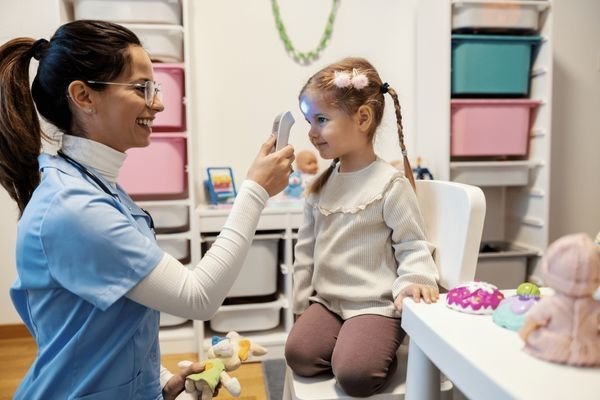
Balancing medical care with everyday family life can feel overwhelming after your child leaves the hospital. You want to keep up with treatments, maintain a sense of normal routine, and support your child’s return to school without losing your own peace of mind. BridgePoint Home Care Inc. offers skilled pediatric nursing and personalized support tailored to your family’s needs, helping you manage this delicate balance with confidence and care.
Navigating Home Care for Children
Navigating pediatric home care can feel confusing, but understanding your child’s unique needs is the first step. Let’s explore how to manage this journey effectively while fostering a nurturing environment.
Understanding Pediatric Home Care Needs
Understanding what your child needs at home can make a big difference. Pediatric home care focuses on more than just medical treatment; it emphasizes creating a comfortable and supportive space for your child. This involves skilled nursing care, which ensures your child receives the medical attention they need right at home. It also includes helping families establish routines that blend medical care with daily activities, making life a bit easier for everyone involved.
Creating a nurturing environment is key. Most families find that home care allows their child to feel more at ease, aiding in quicker recoveries. When pediatric home care is personalized, it supports the child’s emotional well-being alongside their physical health. Families can focus on spending quality time together, knowing that their child’s medical needs are being expertly managed.
Transitioning from Hospital to Home
Transitioning from the hospital to home is a critical phase. You might worry about maintaining the level of care your child received in the hospital. The good news is, with the right support, you can create a smooth and reassuring transition. This process involves clear communication between your healthcare team and home care providers, ensuring your child’s needs are met without interruption.
A managed transition reduces stress. Experienced home care providers, like BridgePoint Home Care Inc., offer continued support by coordinating with hospital staff to understand your child’s specific needs. This cooperation creates a seamless transition, focusing on both safety and comfort. Families often find that having a plan in place before leaving the hospital provides peace of mind, making the shift to home life more manageable.
Personalized Care Plans

A personalized care plan is a blueprint for your child’s recovery. It guides how everyday activities, school, and medical care can harmoniously coexist, helping to maintain a balanced family life.
Tailoring Care to Family Routines
Every family has its own rhythm. Tailoring care to fit these routines can relieve some of the stress associated with managing your child’s medical needs. A personalized plan takes into account your daily schedule, incorporating medical tasks in a way that feels natural rather than disruptive.
For example, if your child requires medication at specific times, this can be aligned with meal times or other daily activities. By aligning care with your existing routine, the transition feels less overwhelming. Families appreciate having a say in how care is delivered, making the process more collaborative and less like a checklist to be followed.
Coordinating Support with Schools
Returning to school is a significant milestone for any child. It’s important that this transition is handled with care, ensuring your child feels supported both academically and medically. Coordinating with schools means that everyone involved in your child’s education understands their needs and can accommodate them appropriately.
This might include working with the school nurse to administer medication or arranging for a quiet space where your child can rest if needed. By having a plan in place, your child can focus on learning and socializing without the added stress of their medical needs disrupting their school day. Families find this coordination reassuring, knowing their child is supported in all aspects of their life.
Support for Caregivers

Caregivers play a crucial role in supporting children with medical needs. It’s essential to recognize the importance of their well-being too. Let’s discuss how caregivers can find support and maintain a healthy balance in family life.
Accessing Respite Services
Caregivers need breaks to recharge. Respite services provide temporary relief, allowing you to rest while ensuring your child continues to receive quality care. This support can be a lifeline, offering caregivers time to tend to their own needs or to spend with other family members.
Accessing respite services can prevent burnout. It’s important to remember that taking care of yourself is just as important as caring for your child. With the right support, you can return to your caregiving role refreshed and ready to provide the best care possible.
Maintaining Balance in Family Life
Balancing care for a child with medical needs alongside other family responsibilities can be challenging. Establishing a routine that works for everyone can help maintain harmony within the household. This might include setting aside time for family activities that don’t focus on your child’s medical condition, fostering a sense of normalcy and togetherness.
Incorporating self-care for all family members ensures everyone feels supported. Families who communicate openly about their needs often find it easier to maintain this balance, leading to a more harmonious home environment. Remember, your family’s well-being is crucial for your child’s recovery and happiness.
Frequently Asked Questions
What is pediatric home care?
Pediatric home care involves skilled nursing and personalized support for children with medical needs in their home environment. It focuses on creating a comfortable setting for recovery and daily life.
How can I ensure a smooth transition from hospital to home?
Work closely with your healthcare team and home care providers to ensure seamless communication and care continuity. Having a personalized plan in place can ease the transition and provide peace of mind.
Why are personalized care plans important?
These plans are tailored to fit your family’s unique routines and preferences, ensuring medical care integrates smoothly with daily activities and supports your child’s recovery and well-being.
What support is available for caregivers?
Caregivers can access respite services for temporary relief, allowing them to rest and recharge. This support is crucial to maintain their well-being and ability to provide care.
How can I coordinate my child’s care with their school?
Work with school staff to create a plan that accommodates your child’s medical needs during the school day, ensuring they receive appropriate support while focusing on learning and socializing.