
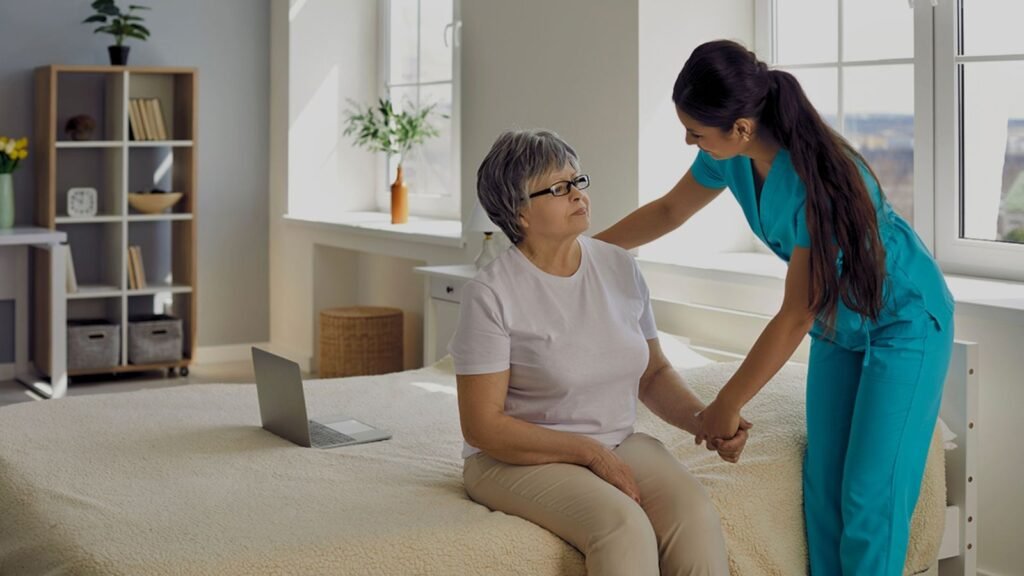
Most families expect recovery to be simple after a hospital stay, but the reality often includes complex care needs that can feel overwhelming. When you face medication management, wound care, or chronic condition support at home, having skilled nursing at home can make all the difference. This guide will help you understand what to expect and how BridgePoint Home Care Inc. supports your safe hospital to home transition in London, Ontario. For more information on discharge planning, you can refer to this guide.
Understanding Skilled Nursing at Home
When you or your loved one is discharged from the hospital, continuing care at home can seem daunting. Skilled nursing at home offers a seamless way to transition while providing the essential support needed for recovery.
Key Services Offered
Home nursing includes a range of services like medication management, wound care, and IV therapy. Nurses visit your home to ensure that prescriptions are taken on time and wounds are properly cleaned and bandaged. This care also includes monitoring vital signs to detect any complications early. Nurses are trained to handle emergencies, giving you peace of mind.
For those managing chronic conditions, regular home visits can make a huge difference. The nurse provides guidance and reassures you, making daily living more manageable. This kind of care promotes independence while ensuring safety.
Benefits of Home Nursing Post-Discharge
Home nursing offers significant advantages. First, it reduces the risk of readmission by closely monitoring your condition. If any signs of complications arise, nurses can act quickly. This constant monitoring provides you with a safety net.
Beyond health benefits, having a nurse at home alleviates stress. Family members feel more at ease knowing a professional is present. You also receive personalized attention, ensuring that all your unique needs are met. This tailored approach aids quicker recovery and enhances your comfort level at home.
Personalized Care Plans Explained
Every patient has different needs. Personalized care plans focus on meeting these unique requirements. From dietary restrictions to physical limitations, these plans cover it all. They are designed by healthcare professionals in consultation with you and your family.
These plans not only address medical needs but also aim to improve your quality of life. They are flexible and can be adjusted as your condition changes. This way, you don’t just receive care; you receive care that evolves with you, keeping you comfortable and supported at all stages of recovery.
Preparing for a Safe Transition

Moving from hospital to home involves careful planning. Knowing the steps and essentials makes the process smoother and less stressful.
Steps for Hospital-to-Home Transition
-
Discuss Discharge Plans: Before leaving the hospital, talk to your medical team about what to expect at home.
-
Arrange Care Services: Coordinate with home care providers to ensure services start as soon as you arrive home.
-
Review Medications: Understand any changes in prescriptions and how to manage them.
-
Plan Follow-Up Appointments: Schedule visits with your doctors to keep track of your recovery.
Having these steps in place will keep you on track and prevent any last-minute surprises.
Essential Supplies and Equipment
To ensure a smooth transition, gather all necessary supplies such as medications, bandages, and any medical equipment you may need. If mobility is a concern, consider installing handrails or ramps. A well-prepared home can prevent accidents and make daily activities easier.
Stocking up on essential supplies before discharge can also alleviate stress. Knowing you have everything you need at hand lets you focus on recovery instead of running errands.
Coordinating with Healthcare Providers
Communication with healthcare providers is crucial. Inform them about your home environment and any challenges you might face. This helps them tailor their services to better suit your needs.
It’s also important to have a point of contact you can reach out to in case of emergencies. Keeping open lines of communication ensures that any issues are addressed promptly, enhancing your recovery journey.
When to Engage BridgePoint Home Care

Deciding when to seek professional help can be challenging. Here’s how to determine if you need BridgePoint Home Care.
Identifying Your Needs for Support
Consider your daily tasks. Are they becoming overwhelming? If medication schedules, wound care, or ongoing medical supervision seem daunting, it might be time to seek help. Often, having professional support can relieve not just physical burdens but also emotional ones.
Scheduling a Care Transition Planning Call
Once you identify your needs, schedule a planning call. This helps you understand the services available and how they can be tailored to your situation. During this call, you’ll discuss your specific health requirements and preferences, ensuring the care plan aligns with your needs.
Tailored Rehabilitation-Focused Care
At BridgePoint Home Care, the focus is on rehabilitation and personalized care. Care plans are designed to promote recovery while respecting your independence. By choosing a service committed to your well-being, you ensure a smoother recovery process.
Frequently Asked Questions
What services are included in skilled nursing at home?
Skilled nursing at home includes medication management, wound care, and IV therapy among other services. Nurses also monitor vital signs and handle emergencies.
How does home nursing reduce hospital readmissions?
Home nursing reduces readmissions by closely monitoring your condition and addressing any complications early. This proactive approach helps manage health issues before they escalate.
What should I prepare for a hospital-to-home transition?
Prepare by arranging care services, reviewing medications, and gathering essential supplies like medications and bandages. Planning follow-up appointments is also crucial for continuous care.
Who should consider BridgePoint Home Care services?
BridgePoint Home Care is suitable for anyone recently discharged from the hospital who needs assistance with daily tasks, medication management, and ongoing medical supervision.
How do personalized care plans work?
Personalized care plans are tailored to individual needs and can be adjusted as your condition changes. They cover medical needs and aim to improve your quality of life.