
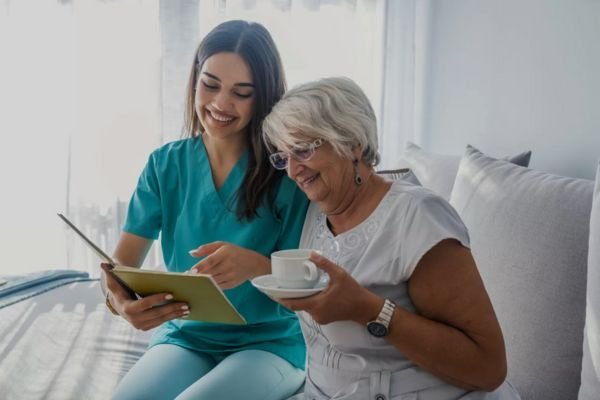
Most hospital discharges in London, Ontario leave families with more questions than answers. The gap between hospital care and home recovery can feel overwhelming, especially when safety and comfort are on the line. In this post, you’ll learn what true hospital to home support London Ontario families need to make recovery smoother and more secure.
Essentials of Safe Discharge Planning
Leaving the hospital is a big step. Let’s explore how careful planning can ease the way home.
Importance of Hospital to Home Support
Hospital to home support is crucial for a smooth transition after discharge. It’s about making sure you or your loved one feels safe and supported during recovery. Most people think once you’re home, you’re on your own. But with the right help, you can continue to heal without stress. Having a team to guide you through this process can make all the difference.
Key Elements for Post-Discharge Recovery
Post-discharge recovery involves several key elements. First, a clear plan that outlines what to do and who will help. Second, medication management is vital to avoid complications. Lastly, having skilled nursing available at home ensures any medical needs are addressed promptly. These elements work together to keep recovery on track and provide peace of mind.
Role of Care Transition Coordinators
Care transition coordinators play a pivotal role. They make sure your transition from hospital to home is smooth and organized. They communicate with medical teams and ensure you have everything needed for recovery. This way, you don’t have to navigate the process alone. Coordinators are there to support you every step of the way.
Personalized Home Care Services in London
Let’s dive into the range of personalized care options that make recovering at home in London a supportive experience.
Benefits of Skilled Nursing at Home
Skilled nursing at home offers many benefits. You get professional medical care without leaving your house. Nurses can help with wound care, monitoring vitals, and managing chronic conditions. This support ensures that any medical issues are caught early, reducing the need for hospital readmissions. Having such expert care in your home brings comfort and security.
Customized Care Plans for Recovery
Every recovery journey is unique. Customized care plans are tailored to fit individual needs and preferences. This personalized approach means you’re not just getting generic care but support that aligns with your specific recovery goals. Whether it’s regaining strength or managing pain, these plans ensure your needs are met.
Rehabilitation-Focused Home Care Strategies
Rehabilitation-focused strategies are key to regaining independence. These strategies include physical therapy and exercises designed to restore mobility and strength. A trained professional can guide you through exercises that promote healing. This focus on rehabilitation helps you rebuild your life and maintain independence.
Comprehensive Support for Families and Patients

Families and patients alike need comprehensive support to thrive during recovery. Here’s how these services make a difference.
Pediatric Home Care Options in London
Children have unique needs when recovering. Pediatric home care options in London offer specialized support for kids. This care includes medical attention and developmental support, ensuring children receive the help they need to recover fully. Families can rest easy knowing their child’s health and development are in good hands.
Addressing Elderly Care Needs at Home
Elderly individuals often require extra support. Home care services for seniors in London focus on safety, comfort, and independence. From fall prevention to medication management, these services cater to the specific needs of older adults. Knowing your elderly loved ones are safe at home brings great peace of mind.
Ensuring Cultural Sensitivity in Home Care
Culture plays a significant role in care. Ensuring cultural sensitivity in home care means respecting and understanding varied backgrounds and traditions. This respect builds trust and enhances the care experience for clients. When care reflects your values and culture, it feels more personal and effective.
Frequently Asked Questions
What is the role of a care transition coordinator?
A care transition coordinator ensures a smooth transition from hospital to home by organizing necessary support and communication between medical teams and families.
How does skilled nursing at home benefit recovery?
Skilled nursing at home provides medical care, such as wound management and chronic condition monitoring, reducing the risk of complications and hospital readmissions.
What does a customized care plan include?
A customized care plan includes tailored services that align with individual recovery needs, such as specific therapies, medication management, and personal support preferences.
Why is cultural sensitivity important in home care?
Cultural sensitivity in home care respects clients’ backgrounds and traditions, building trust and enhancing the effectiveness of care.
How do pediatric home care services support recovery?
Pediatric home care services offer medical and developmental support specific to children’s needs, ensuring comprehensive care that supports their recovery and growth.