
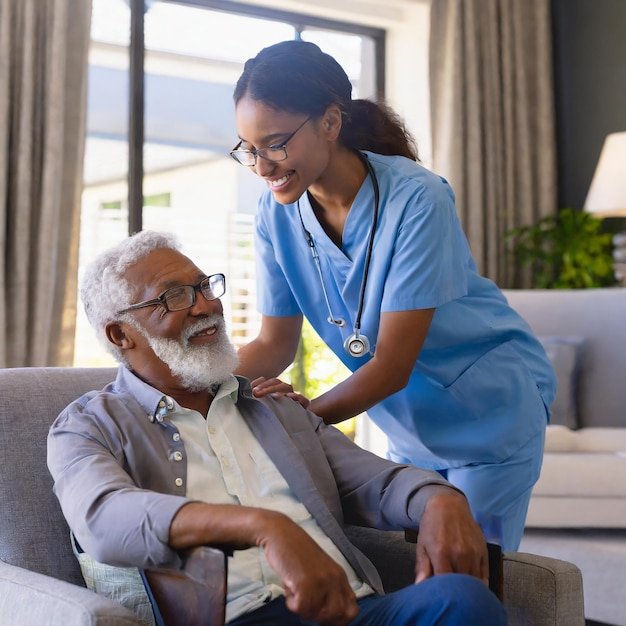
Leaving the hospital is just the first step toward recovery. Many families in London, Ontario face hidden challenges as their loved ones adjust to life at home. Recognizing signs like medication confusion or increased fall risk can protect against setbacks. This guide on post-discharge care will help you spot when more support is needed and how skilled nursing at home can make all the difference in a smooth hospital to home transition. For more insights, you can visit this link.
Recognizing Post-Discharge Challenges
Leaving the hospital marks a new phase in recovery, but it comes with its own set of difficulties. Understanding these challenges can help you provide the right support for your loved one.
Medication Confusion at Home
After a hospital stay, managing medications can be tricky. Your loved one might have new prescriptions or changes to existing ones. This can lead to confusion, especially if multiple medications are involved. It’s crucial to ensure they understand what to take and when. Mismanagement can lead to adverse effects or missed doses, impacting recovery.
If you notice unopened blister packs or hear repeated questions about dosage, it’s a signal for more support. Setting up a clear plan or using a pill organizer can help. Sometimes, professional help like medication management at home is needed to keep things on track.
Identifying Fall Risks
Falls are a common concern post-discharge. The home environment might not be as controlled as the hospital. Rugs, stairs, and even wet floors pose hazards. If your loved one seems unsteady, take action.
Assess their mobility and look for signs like bruises or hesitance in walking. Simple adjustments, like adding grab bars or removing clutter, can make a significant difference. For ongoing concerns, consider fall prevention at home services to ensure safety.
Managing Uncontrolled Pain
Pain management is vital for recovery. If your loved one frequently mentions discomfort or you notice them wincing, it’s a red flag. Pain can hinder mobility and lead to further complications.
Open communication is key. Ask about their pain levels and monitor any changes in behavior or mood. Sometimes, adjusting medication or therapy is necessary. Skilled nursing at home can provide the needed expertise to manage pain effectively.
Essential Support Systems
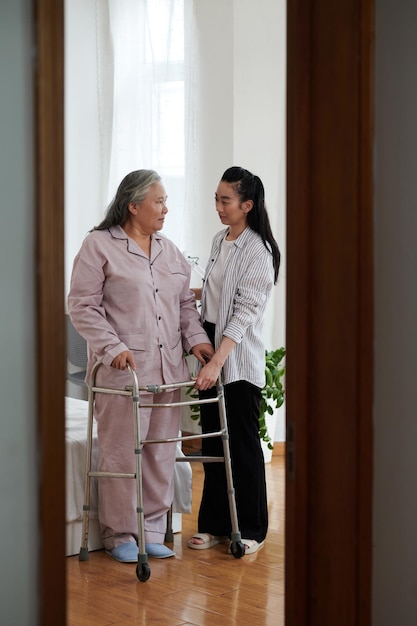
To ease the transition, it’s important to establish strong support systems. These systems ensure that your loved one receives the care they need to recover comfortably.
Importance of Wound Care at Home
Proper wound care is essential to prevent infections and promote healing. After discharge, wounds may still need attention. Look for signs of redness, swelling, or unusual discharge.
Ensure dressings are changed regularly and that hygiene is maintained. Sometimes, professional assistance is necessary. Skilled nursing services can provide expert care and peace of mind, ensuring wounds are managed correctly.
Role of Skilled Nursing in Recovery
Skilled nursing at home plays a crucial role in recovery. It provides professional oversight, helping to manage health needs effectively. Nurses can offer medication management, wound care, and general health monitoring.
Their presence can prevent complications and reduce the likelihood of readmission. Having skilled professionals at home offers reassurance and supports a smoother recovery journey.
Benefits of a Personalized Care Plan
Every individual has unique needs. A personalized care plan tailors services to meet these needs, enhancing recovery. It coordinates various aspects of care, from medication schedules to therapy sessions.
This tailored approach promotes independence and confidence in recovery. Families can rest easy knowing their loved one receives comprehensive support. If you’re considering in-home recovery support, a personalized plan can make a significant difference.
Navigating the Transition Process
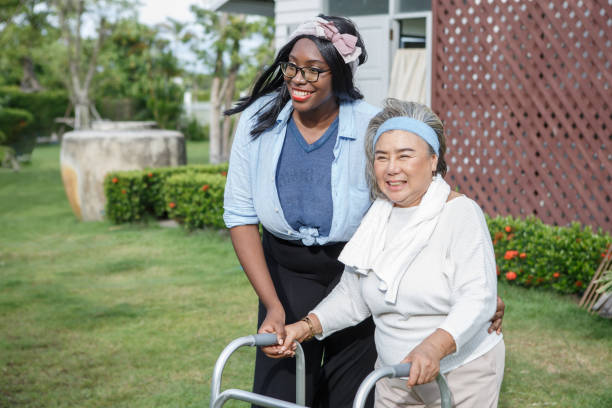
Navigating the transition from hospital to home requires careful planning and support. Understanding this process can alleviate stress and ensure a smoother adjustment.
Caregiver Support in London, Ontario
Supporting a loved one post-discharge can be overwhelming. Caregivers in London, Ontario, benefit from local resources that offer guidance and relief. Connecting with support groups or professional services can be invaluable.
These resources provide practical advice and emotional support, ensuring caregivers don’t feel isolated. They help balance caregiving with personal responsibilities, promoting well-being for both caregiver and patient.
Steps for a Safe Hospital to Home Transition
A safe transition involves several key steps. First, ensure the home environment is prepared. Remove hazards and set up necessary equipment. Next, review discharge instructions carefully and follow up with healthcare providers.
Coordinate with home care services to establish a clear plan. This proactive approach minimizes risks and supports a smooth transition. Remember, readmission prevention starts with careful planning.
Value of a Home Health Assessment
A home health assessment evaluates the needs of your loved one in their living environment. It identifies potential risks and areas where support is needed. This assessment provides a foundation for a personalized care plan.
Having an assessment early on can guide decisions and ensure appropriate resources are in place. It’s an invaluable step for anyone looking to maintain safety and promote recovery at home.
Frequently Asked Questions
How can I tell if my loved one needs more support after a hospital stay?
Look for signs like medication confusion, increased fall risks, unmanaged pain, or worsening wounds. These indicate a need for additional support at home.
What role does skilled nursing play in at-home recovery?
Skilled nursing provides professional care, managing medications, wounds, and health monitoring. It supports a safer, more effective recovery process.
Why is a personalized care plan important?
A personalized care plan addresses individual needs, coordinating care for better outcomes. It promotes independence and confidence in recovery.
What are the benefits of a home health assessment?
A home health assessment identifies risks and needs, forming the basis for tailored care. It ensures the home is safe and supports continuous recovery.
How do I support a loved one during their hospital to home transition?
Prepare the home, review discharge instructions, and coordinate care services. Stay engaged with healthcare providers for ongoing support.