
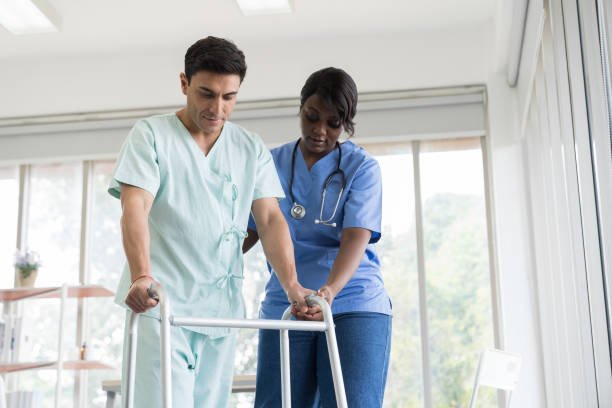
The first days after hospital discharge can feel overwhelming for both you and your loved one. Noticing small changes early can make all the difference in preventing complications or readmission. This guide highlights 12 clear signs that more home support after hospital may be needed, helping you take confident steps toward a safer, smoother recovery with trusted post-discharge home care. For more information, visit this helpful resource.
Recognizing the Need for Extra Care
The transition from hospital to home can be complex, and recognizing early signs that your loved one needs more support is crucial. Here are key indicators to watch for, ensuring their recovery remains on track.
Unexplained Weight Loss or Weakness
If your loved one appears to be losing weight unexpectedly or seems unusually weak, it may be a sign they need additional support. This could mean they are not eating enough or are struggling with daily activities due to weakness.
Weight loss might indicate a change in appetite, trouble cooking, or difficulty feeding themselves. Weakness can prevent them from performing simple tasks, increasing the risk of falls and other complications. Ensuring they have the right nutritional intake and getting assistance with meal preparation can make a big difference.
Addressing these issues promptly with the help of a professional care provider can lead to a healthier recovery. A personalized care plan can include nutritional support and help with daily activities.
Increased Confusion or Forgetfulness
Confusion or forgetfulness can pose serious risks after a hospital stay. Your loved one might forget to take medications or miss follow-up appointments, which can hinder recovery.
This cognitive decline may be temporary, but it needs attention. If you notice these symptoms, consider consulting a healthcare professional. A skilled nurse can provide reminders and assistance that ensure medications are taken correctly.
Such care reduces the risk of complications and can prevent hospital readmission. Home support after hospital can help keep cognitive issues in check.
Difficulty Managing Medications
Proper medication management is vital for recovery. If your loved one struggles to remember doses or manage medication schedules, it’s time to step in.
Medication errors can lead to adverse effects and slow recovery. A professional caregiver can organize medications and provide reminders to ensure they are taken correctly.
This helps maintain a stable health condition, preventing unnecessary complications. Medication management at home is essential for a smooth recovery process.
Ensuring Safe Mobility at Home
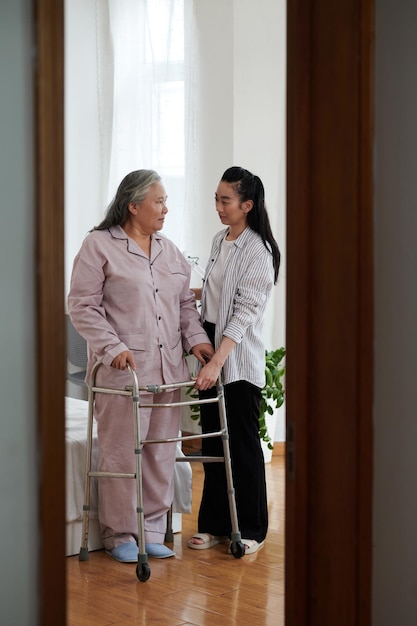
Once home, safety becomes a top priority. Mobility challenges can significantly impact recovery, making it crucial to ensure your loved one can move around safely.
Struggling with Basic Movements
If your loved one struggles with basic movements, such as standing up or walking, they may need extra help. These difficulties can lead to frustration and potential injury.
Limited mobility might mean they require physical therapy or assistance with daily tasks. Having a caregiver to support them can improve their mobility and overall health.
This support encourages independence while ensuring they stay safe at home. Skilled nursing at home can provide the necessary aid.
Increased Risk of Falls
Falls are a significant risk for those recently discharged. If your loved one is unsteady or has already experienced a fall, immediate action is needed.
Creating a fall prevention plan can help. This might include removing trip hazards and installing grab bars. A caregiver can assist with mobility, further reducing fall risks.
Preventing falls is critical for maintaining health and avoiding further hospital visits. A fall risk assessment can help evaluate your loved one’s home safety.
Challenges Using Assistive Devices
Assistive devices like walkers or canes are only helpful if used correctly. If your loved one struggles to use these devices, it could be a sign they need more guidance.
Improper use can lead to more harm than good, increasing the risk of falls. A trained professional can teach them how to use these devices safely.
This support boosts confidence and promotes safer movement around the home. Consider home safety assessment to improve their living conditions.
Addressing Emotional and Social Well-being

Recovery isn’t just physical; emotional and social well-being are equally important. Look for signs that your loved one may need additional emotional support.
Signs of Depression or Isolation
Post-discharge, feelings of depression or isolation are not uncommon. If your loved one seems withdrawn or uninterested in activities, they may need extra emotional support.
Acknowledge these feelings and consider professional help. A caregiver can provide companionship and encourage social interaction to combat loneliness.
Addressing emotional health is crucial for a holistic recovery. Post-hospital recovery support often includes emotional care, enhancing overall well-being.
Reluctance to Engage in Activities
If your loved one shows reluctance to engage in activities they once enjoyed, it might be a sign of emotional distress. This change can signal depression or anxiety.
Encouraging participation in hobbies or gentle exercises can lift their spirits. A caregiver can motivate and assist them in gradually resuming these activities.
Re-engaging in enjoyable activities promotes a positive outlook and aids recovery. Rehabilitation-focused home care can support this aspect of recovery.
Changes in Sleeping Patterns
Significant changes in sleep can affect recovery. If your loved one is sleeping too much or too little, it might indicate an underlying issue.
Sleep disturbances can result from pain, anxiety, or medication side effects. A caregiver can help identify these issues and suggest adjustments to improve sleep quality.
Improving sleep is vital for recovery, affecting both physical and mental health. Transitional care services can address sleep concerns and enhance recovery.
Frequently Asked Questions
What are the first signs that more home support is needed after hospital discharge?
Unexplained weight loss, increased confusion, and difficulty managing medications are early signs that additional home support may be needed for a smoother recovery.
How can I ensure my loved one is safe at home after discharge?
Regularly assess their ability to move safely, monitor for fall risks, and ensure they are using assistive devices correctly. Consider a professional fall risk assessment for added safety.
Why is emotional support important during recovery?
Emotional well-being is crucial as it impacts the overall recovery process. Addressing signs of depression or isolation helps improve both mental and physical health.
What role do caregivers play in post-discharge recovery?
Caregivers assist with medication management, mobility support, emotional care, and daily activities, ensuring a safe and smooth transition from hospital to home.
How can I improve my loved one’s sleep patterns after discharge?
Identify the cause of sleep disturbances, whether it’s pain, anxiety, or medication side effects, and make necessary adjustments. A caregiver can provide insights and assistance to enhance sleep quality.