
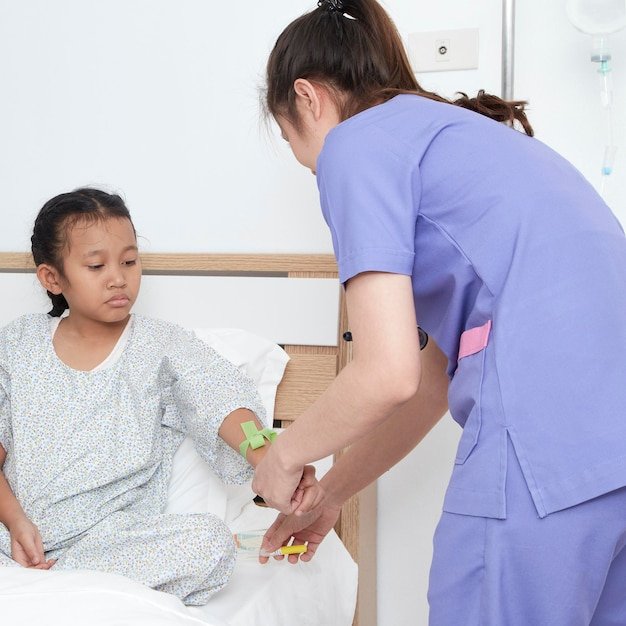
Managing home care for children with medical needs can feel overwhelming, especially after leaving the hospital. You want to keep your child safe while keeping daily routines and family life steady. BridgePoint Home Care Inc. offers personalized pediatric home care in London, Ontario that supports treatment, school reintegration, and family respite. Keep reading to learn how a tailored care plan can help your child thrive at home. Read more about balancing care responsibilities here.
Creating a Child-Centered Home Care Routine
Home care for children with medical needs requires a thoughtful approach. You can create a nurturing environment by focusing on three key aspects: safe spaces, balanced routines, and school support.
Establishing Safe and Manageable Spaces
A safe home environment is crucial for children who need extra care. You can start by identifying areas in your home that prevent accidents and ensure comfort:
-
Organize the Layout: Keep pathways clear to facilitate easy movement. Consider adding railings for extra support.
-
Adapt the Environment: Install safety gates or modify furniture to prevent injuries. Soft corners and non-slip mats can make a big difference.
Safety doesn’t stop at physical changes. A well-organized space can also reduce stress by ensuring medical supplies are always accessible. This planning not only enhances safety but also provides peace of mind.
Balancing Medical Needs and Family Life
Finding harmony between medical care and daily life is essential. You can build a routine that supports both your child’s health and family activities:
-
Create a Schedule: Allocate specific times for medication, therapy, and family activities. Consistency helps everyone adjust.
-
Involve the Family: Encourage siblings to participate in care routines. This inclusion fosters understanding and support.
Balancing these needs can improve your child’s overall well-being. According to the National Institutes of Health, structured routines can help maintain emotional stability and promote healing.
Supporting School Reintegration
Returning to school is a significant step. With the right support, it can be a positive experience:
-
Communicate with Educators: Share your child’s needs with teachers to create a supportive learning environment.
-
Adapt Schoolwork: Request modifications to assignments or schedules if necessary.
School reintegration not only aids academic growth but also enhances social skills, helping your child feel more connected.
Personalized Pediatric Care Plans

Tailored care plans are the backbone of effective pediatric home care. They align medical treatments with daily lives, ensuring holistic support.
Tailored Treatment and Daily Rhythms
Customized care means designing a plan that fits your child’s unique needs. Here’s how it works:
-
Individual Assessments: Understand specific requirements through comprehensive evaluations.
-
Custom Plans: Develop a care plan that seamlessly integrates medical needs into daily life.
Such personalization ensures that care is both effective and manageable, helping your child maintain a healthy balance.
Coordinating with Healthcare Providers
Strong coordination with healthcare professionals is vital:
-
Regular Updates: Keep open communication with doctors and nurses to adjust care plans as needed.
-
Collaborative Approach: Work together to ensure that all aspects of your child’s health are addressed.
This teamwork fosters a sense of security and ensures that your child receives consistent, uninterrupted care.
Ensuring Culturally Responsive Care
Respect for cultural values enhances care quality:
-
Incorporate Traditions: Consider cultural preferences in daily routines and care practices.
-
Respect Diversity: Acknowledge and honor different backgrounds to create a supportive environment.
Culturally responsive care builds trust and ensures that everyone feels respected and valued.
Transitioning from Hospital to Home
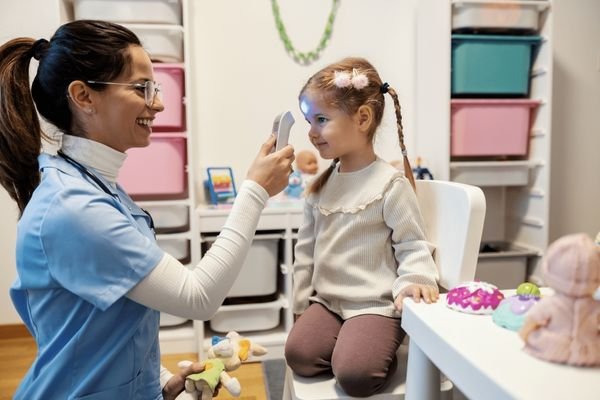
Moving from hospital care to home can be daunting. BridgePoint Home Care Inc. makes this transition smoother through expert services and support.
Skilled Nursing at Home Services
Professional nursing care at home provides peace of mind:
-
Medical Expertise: Skilled nurses handle complex medical needs, ensuring safety and comfort.
-
Continuous Monitoring: Regular assessments help manage health effectively.
A study from Regency Healthcare highlights the importance of professional involvement in maintaining health and promoting recovery.
Planning for Family Respite Care
Respite care offers necessary breaks for families:
-
Scheduled Relief: Regular respite allows caregivers to rest and recharge, reducing burnout.
-
Quality Time: Enables families to spend quality time together without the stress of caregiving duties.
Taking these breaks improves overall family well-being, ensuring everyone is ready to support each other.
Complimentary Pediatric Transition Consultation
A well-planned transition starts with a personalized consultation. BridgePoint offers a complimentary consultation to assess your child’s needs and develop a tailored care plan. This service sets the foundation for a successful and stress-free transition from hospital to home.
Frequently Asked Questions
What is pediatric home care?
Pediatric home care involves medical and supportive care for children with health needs, provided in the comfort of their home. It includes nursing, therapy, and personalized care plans.
How can I balance medical care with family life?
Balancing care involves creating a consistent routine that includes medical and family activities. Involving the family and maintaining open communication with healthcare providers also helps.
How does school reintegration work for children with medical needs?
School reintegration involves working with educators to adapt the learning environment to your child’s needs, ensuring academic and social success.
What is culturally responsive care?
Culturally responsive care respects and incorporates the cultural values and traditions of the family into the care plan, ensuring a supportive and respectful environment.
Why is professional involvement important in home care?
Professional involvement ensures that medical needs are met safely and effectively, providing peace of mind and promoting better health outcomes.