

Choosing home care that balances safety with independence can feel overwhelming, especially after a hospital stay. You want your loved one to receive skilled nursing at home while still maintaining their dignity and freedom. In this guide, you’ll find practical steps to evaluate home care London Ontario offers, ensuring a smooth hospital to home transition and personalized support tailored to your family’s needs. For more insights, you can explore this guide.
Evaluating Home Care Options
Finding the right home care means balancing support with independence. This is crucial for those recovering at home. Let’s dive into how to evaluate these options effectively.
Balancing Support and Independence
Imagine a care plan that respects your loved one’s desire for independence while providing necessary support. It starts by understanding their daily routines and preferences. Your loved one should feel empowered, not restricted. You might think independence is at odds with support, but they can coexist. Ask yourself: what does your loved one need help with, and where can they manage on their own? This balance fosters dignity and confidence in their recovery journey.
Key Considerations for Safety
Safety is a top priority when considering home care. Look for providers who offer comprehensive safety assessments. These assessments identify potential hazards at home, ensuring a secure environment. Remember, a safe home is a happy home. It’s not just about installing grab bars; it’s about making sure the entire environment is set up to prevent accidents. Regular check-ins and updates to the care plan can adapt to changing needs, providing peace of mind.
Personalized Care Plans
A one-size-fits-all approach doesn’t work in home care. Personalized care plans cater to individual needs. This means tailoring services to fit your loved one’s lifestyle and health goals. It’s about more than just medical care; it’s about emotional and social well-being too. By collaborating with healthcare professionals, you can ensure that the care plan evolves as your loved one’s needs change, promoting continuous support and independence.
Transition from Hospital to Home

The transition from hospital to home can be challenging. Knowing how to prepare makes it easier and more comfortable for everyone involved.
Preparing for Post-Discharge Recovery
Post-discharge recovery requires careful planning. Start by understanding the patient’s medical needs. Next, coordinate with healthcare providers to ensure continuity of care. This preparation reduces stress and promotes healing. Have open discussions with nurses and discharge planners who can provide valuable insights into what home care should entail. The longer you wait to plan, the more challenging the transition may become.
Understanding Skilled Nursing at Home
Skilled nursing at home offers medical care in the comfort of your own home. It involves services like medication management and rehabilitation. This level of care ensures that medical needs are met without hospital visits. Skilled nursing is not just for the elderly; it can be crucial for anyone recovering from surgery or illness. By having professional medical support at home, the recovery process can be more comfortable and less disruptive.
Home Safety Assessment Process
A home safety assessment is a crucial step in the transition process. Professionals identify potential hazards and suggest modifications. These assessments make the home safer for your loved one. The assessment can include everything from checking for loose rugs to ensuring proper lighting in all areas. Implementing these changes helps prevent accidents, creating a safe and supportive environment for recovery.
Choosing the Right Home Care Provider
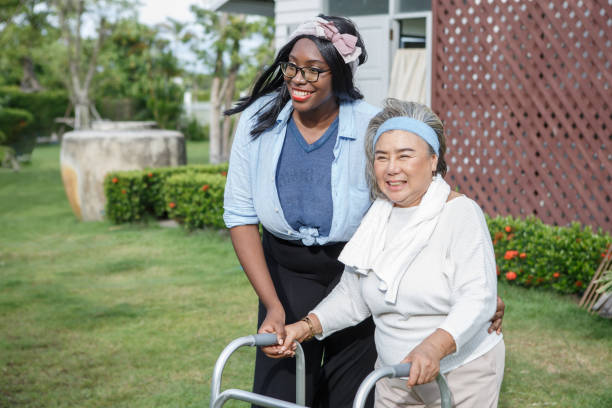
Selecting a home care provider involves understanding their services and ensuring they align with your needs.
Importance of Professional Home Care Team
A professional home care team brings expertise and compassion. They work closely with families to ensure quality care. Their support includes everything from daily activities to medical needs. A team approach means that everyone involved is on the same page, which is crucial for seamless care. Look for providers with a strong reputation and highly skilled staff to ensure your loved one receives the best possible care.
Community-Based and Culturally Sensitive Services
Community-based services mean that care is personalized to fit the cultural and community context of your loved one. This approach respects values and traditions, making care feel more personal and effective. By choosing a provider who understands and respects cultural nuances, you ensure that care feels natural and supportive. This sensitivity can greatly enhance the quality of life for your loved one.
Pediatric and Elder Home Care in London Ontario
Home care isn’t just for seniors; children in need can benefit greatly too. Pediatric home care services in London, Ontario, offer specialized support for children with medical or developmental needs. Similarly, elder care focuses on maintaining independence while providing necessary support. Both services aim to create a supportive environment tailored to the individual, enhancing their quality of life and promoting independence.
Frequently Asked Questions
What should I consider when choosing home care for my loved one?
When selecting home care, consider the balance of support and independence, safety measures, and the provider’s ability to create personalized care plans. Look for a professional team with a strong reputation and culturally sensitive services.
How can I ensure a smooth transition from hospital to home?
To ensure a smooth transition, start with a safety assessment and coordinate with healthcare providers for a comprehensive care plan. Choose a provider that offers skilled nursing to manage medical needs at home.
Why is a professional home care team important?
A professional home care team provides expertise, compassion, and comprehensive support, ensuring that your loved one receives consistent and quality care tailored to their needs.