

The first weeks after leaving the hospital often hold the biggest challenges in recovery. Skilled nursing at home offers focused support during this critical time, helping you manage wounds, medications, and pain safely where you feel most comfortable. With personalized care plans from BridgePoint Home Care Inc., your transition from hospital to home becomes smoother, reducing risks and building confidence for independence. Ready to learn how this early recovery support can make a real difference?
Importance of Skilled Nursing at Home
The transition from hospital to home can be daunting, but skilled nursing services provide a lifeline, ensuring patients feel supported and confident. This care is vital for a safe recovery, reducing the risk of readmissions and promoting independence.
Speeding Safe Early Recovery
Early recovery support is crucial for patients adjusting to life at home. Skilled nursing ensures you receive expert care right from the start. Nurses help manage your medications and monitor vital signs to keep you on track. With their guidance, you can focus on healing in the comfort of your home, knowing you’re in capable hands. This support is a game-changer, speeding up your recovery and easing the burden on family members.
Reducing Hospital Readmissions
Readmissions are a common concern after discharge. Skilled nursing plays a key role in preventing this by offering continuous care and monitoring. Nurses provide personalized attention, spotting potential issues before they become serious. This proactive approach means fewer trips back to the hospital, allowing you to recover peacefully at home. Knowing you’re less likely to be readmitted brings peace of mind to both you and your family.
Supporting Independence
Regaining independence after a hospital stay is empowering. Skilled nursing services help you achieve this goal by offering tailored care that respects your pace and preferences. Nurses teach practical skills for daily living, boosting your confidence and ability to manage health conditions independently. This support fosters a sense of control over your life, enhancing your well-being and quality of life.
Comprehensive Post-Discharge Care Services
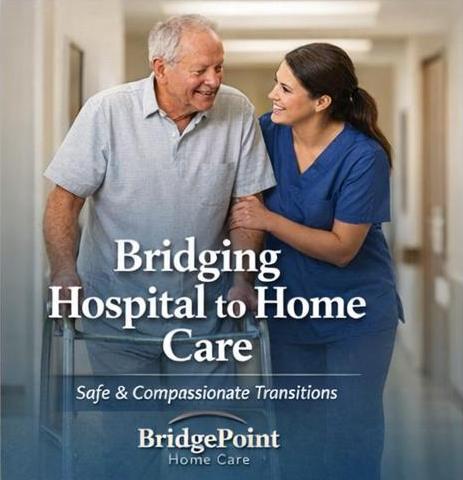
Beyond basic medical support, skilled nursing provides comprehensive care to address various post-discharge needs, ensuring a holistic recovery experience.
Wound Care and Medication Management
Proper wound care is critical to prevent infections and promote healing. Skilled nurses are trained to handle a variety of wounds, ensuring they heal correctly. They also manage your medication schedule, reducing the risk of errors. This comprehensive approach combines wound care with medication management, streamlining your recovery process. It ensures all aspects of your health are monitored closely, giving you one less thing to worry about.
Pain and Symptom Management at Home
Pain can be a significant barrier to recovery. Skilled nursing offers effective pain management strategies tailored to your needs. Nurses assess your pain levels and adjust treatments as necessary, ensuring you’re comfortable. They also help manage symptoms of chronic conditions, providing relief and improving your daily life. This attention to detail means you can focus on what matters most: getting better.
IV and Catheter Care at Home
For patients requiring IV therapy or catheter care, skilled nursing is invaluable. Nurses are adept at managing these complex needs at home, reducing the risk of complications. They ensure your IV therapy is administered safely and check that catheters are properly maintained. This professional care allows you to remain at home without compromising on the quality of your medical treatments, ensuring a smoother recovery journey.
Personalized Care Plans for Diverse Needs
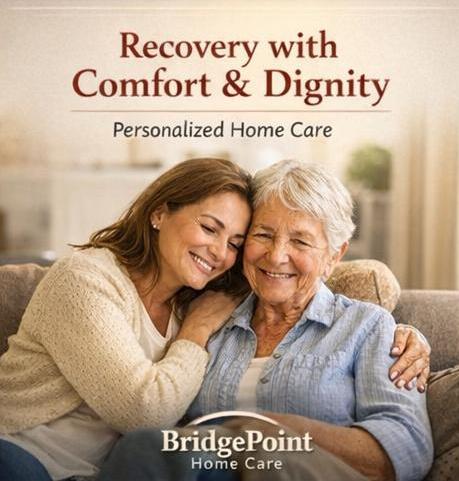
Understanding that every patient is unique, skilled nursing offers personalized care plans to cater to a wide range of needs and preferences.
Culturally Sensitive and Inclusive Care
Embracing diversity in care is essential for effective recovery. Skilled nursing recognizes and respects your cultural background, ensuring care plans align with your values and beliefs. This approach builds trust and enhances communication, making the recovery process more comfortable and respectful. It’s about seeing you as an individual and providing care that feels right for you.
Pediatric and Family Respite Services
Families with children requiring medical care benefit greatly from skilled nursing. These services provide clinical support tailored to your child’s needs, ensuring they receive the best care at home. Additionally, family respite services give caregivers much-needed breaks, reducing stress and preventing burnout. This balance between care and support strengthens family dynamics, making life more manageable for everyone involved.
Home Safety and Fall Prevention Strategies
Safety at home is a top priority, especially for those recovering from surgery or illness. Skilled nursing includes home safety assessments to identify potential hazards. Nurses develop fall prevention strategies tailored to your environment, reducing the risk of accidents. This proactive approach ensures your home remains a safe haven, allowing you to recover with confidence and peace of mind.
Frequently Asked Questions
Why is skilled nursing important for early recovery?
Skilled nursing is vital for early recovery as it offers professional medical care and monitoring right at home. This helps prevent complications, manage pain, and ensure medications are taken correctly, all of which contribute to a smoother and faster recovery.
How do skilled nursing services reduce hospital readmissions?
Skilled nursing services reduce readmissions by providing ongoing care and monitoring, identifying potential health issues before they escalate. This proactive approach ensures that you receive timely interventions, minimizing the need for hospital visits.
What are the benefits of personalized care plans?
Personalized care plans are tailored to your specific needs and preferences, ensuring you receive the most effective care. They consider your cultural background, medical history, and personal goals, enhancing your comfort and recovery outcomes.
How do skilled nursing services support family caregivers?
Skilled nursing services support family caregivers by providing professional medical care, allowing caregivers to take breaks. Respite services reduce caregiver stress, improve family dynamics, and ensure consistent care for patients.
What safety measures do skilled nursing services implement at home?
Skilled nursing includes home safety assessments to identify and mitigate hazards. Nurses develop fall prevention strategies and ensure that your home environment supports your recovery needs, promoting safety and independence.