
Moving from hospital to home can feel overwhelming and risky, especially when recovery still needs close attention. You want your loved one safe, comfortable, and supported every step of the way. This guide walks you through practical steps for a smooth hospital to home transition, using BridgePoint’s expertise in rehabilitation-focused home care to ease your post-discharge recovery. Ready to learn how to make going home safer and less stressful?
Safe Hospital to Home Transition
Understanding Post-Discharge Recovery
The transition from hospital to home is a critical phase in recovery. This period involves adapting to new routines and ensuring safety at home. For a smoother transition, it’s important to plan and prepare.
Post-discharge recovery begins with understanding the specific needs of your loved one. Each person’s recovery journey is unique, and recognizing this can help tailor care accordingly. Knowing what to expect and how to handle challenges can make the process less daunting.
The key is to focus on creating a supportive environment that promotes healing. This not only includes physical care but also emotional support. Encouragement and understanding play a vital role in helping patients regain their strength and confidence.
Importance of Personalized Care Plans
Personalized care plans are essential for effective recovery. These plans are tailored to meet the individual needs of each patient, ensuring that all aspects of their care are addressed.
A personalized care plan starts with a thorough assessment. This helps identify the specific needs and challenges that need to be addressed. With this information, care providers can design a plan that supports recovery while encouraging independence.
By focusing on personalized care, you ensure that your loved one receives the attention and support they need. This approach not only promotes better outcomes but also enhances the overall recovery experience.
Role of Skilled Nursing Care at Home
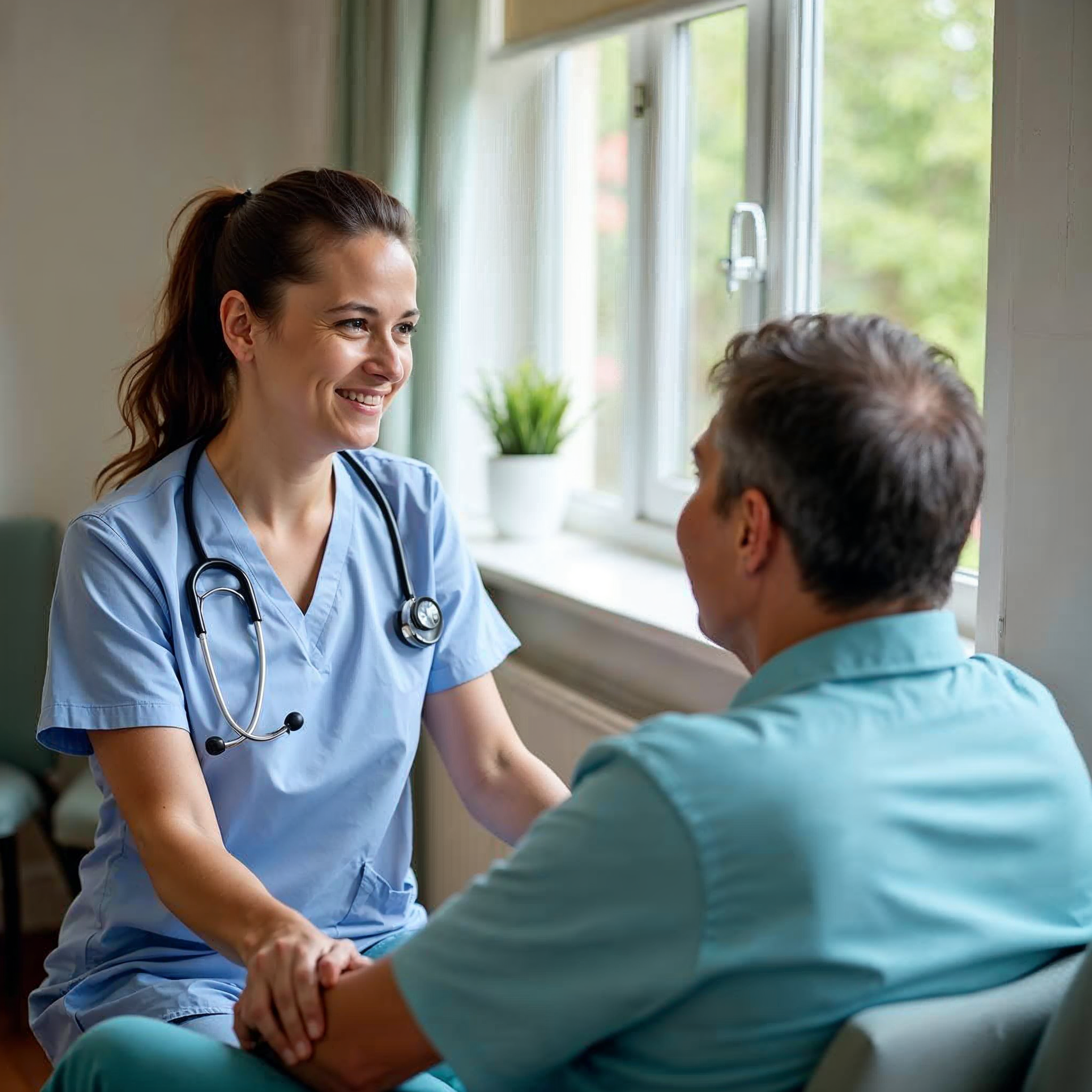
Skilled nursing care at home is a valuable component of post-discharge recovery. It provides professional medical support in the comfort of home, allowing patients to heal without the stress of a hospital environment.
Having skilled nurses at home ensures that medical needs are promptly addressed. They can manage medications, monitor vital signs, and provide other necessary medical interventions. This level of care helps prevent complications and promotes faster recovery.
Moreover, skilled nursing care offers peace of mind for families. Knowing that a professional is available to handle medical needs reduces stress and allows families to focus on supporting their loved one’s recovery journey.
Transitional Care in London
Comprehensive Home Safety Assessment
A comprehensive home safety assessment is the first step in creating a safe environment for recovery. This assessment identifies potential hazards and suggests modifications to prevent accidents.
During the assessment, professionals evaluate various aspects of the home. They check for fall risks, assess accessibility, and ensure that necessary medical equipment is available. This proactive approach helps create a safer space for recovery.
Making these adjustments not only enhances safety but also boosts confidence. Patients feel more secure in their environment, which can positively impact their overall recovery process.
Fall Prevention at Home Strategies
Falls are a significant concern during recovery, but they can be prevented with the right strategies. Simple modifications and precautions can significantly reduce the risk of falls at home.
Start by ensuring that floors are clear of obstacles and that lighting is adequate. Installing grab bars in bathrooms and using non-slip mats can also enhance safety. These simple measures can make a big difference in preventing falls.
Additionally, encouraging regular exercise can improve balance and strength, further reducing fall risk. With these strategies in place, you can create a safer environment that supports recovery.
Medication Management at Home Guidance
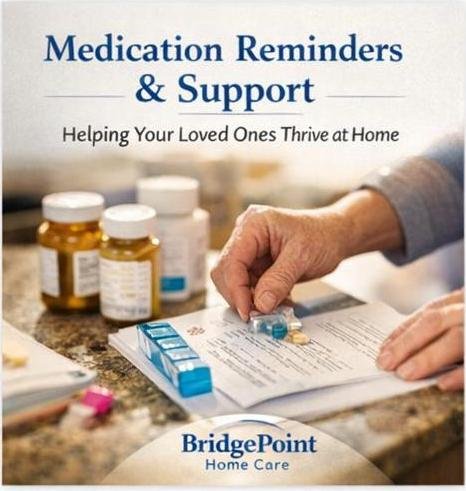
Proper medication management is crucial for successful recovery. Ensuring that medications are taken correctly and on time is vital for preventing complications.
Organizing medications with a pill organizer and setting reminders can help manage medication schedules. Additionally, keeping an updated list of medications and dosages can assist caregivers in monitoring usage.
Regular communication with healthcare providers is also important. They can provide guidance and address any concerns about medications. By focusing on medication management, you support a smoother and safer recovery process.
Support for Families and Caregivers
Family Respite Services Explained
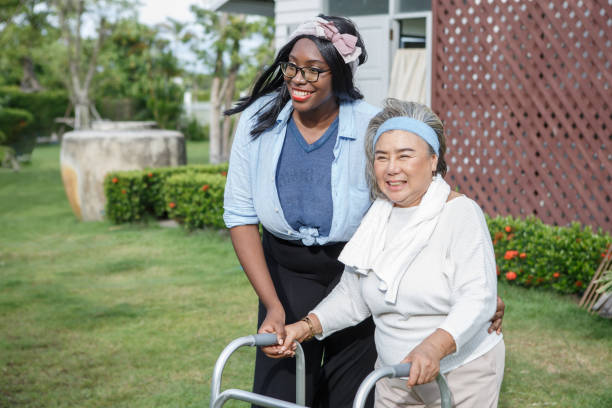
Caring for a loved one during recovery can be demanding. Family respite services offer a welcome break for caregivers, allowing them to rest and recharge.
These services provide temporary care for your loved one, ensuring their needs are met while you take time for yourself. This support is not only valuable for caregivers but also beneficial for the person receiving care.
By taking advantage of respite services, you can maintain your well-being and continue providing quality support. It’s important to remember that caring for yourself is also an essential part of the caregiving journey.
School Reintegration Support for Children
For children recovering from a medical condition, returning to school can be a challenging transition. School reintegration support helps ease this process, ensuring that children receive the assistance they need.
This support includes coordinating with schools to accommodate medical needs, providing tutoring to catch up on missed lessons, and offering emotional support. These measures help children return to school with confidence.
By focusing on school reintegration, you support your child’s overall development and well-being. This ensures they can continue their education while managing their health needs.
Culturally Sensitive Care Practices
Culturally sensitive care practices are crucial in providing effective support. Recognizing and respecting cultural values and traditions ensures that care is both personalized and meaningful.
This approach involves understanding the cultural background of the person receiving care and incorporating it into their care plan. It’s about creating an environment where they feel respected and understood.
Culturally sensitive care not only enhances the quality of care but also promotes better communication and trust. This ensures that care is delivered in a way that aligns with the person’s values and beliefs.
Frequently Asked Questions
What is the first step in transitioning from hospital to home?
The first step is to conduct a comprehensive home safety assessment. This identifies potential hazards and ensures the home environment is safe for recovery.
Why are personalized care plans important?
Personalized care plans address the unique needs of each individual, ensuring that all aspects of care are tailored to support recovery and independence.
How can family respite services benefit caregivers?
Family respite services provide a break for caregivers, allowing them to rest and recharge while ensuring their loved one continues to receive quality care.
What role do skilled nurses play in home care?
Skilled nurses provide professional medical support at home, managing medical needs and preventing complications, which promotes faster recovery.
How can culturally sensitive care improve recovery?
Culturally sensitive care respects and incorporates cultural values into the care plan, enhancing communication, trust, and the overall quality of care.