

The first days after leaving the hospital can feel overwhelming. Your home might not be ready for the changes your recovery demands, leaving you or your loved one at risk of falls or medication mix-ups. This practical home safety checklist will guide you through preparing your space for a safer, more confident post-discharge recovery. Ready to see how simple steps can make a big difference? For more tips on preparing your home after a hospital stay, check out this resource.
Preparing Your Home for Safe Recovery
Your recovery journey begins at home, where safety is paramount. Let’s explore how to make your environment safer for a smooth transition from hospital to home.
Assessing Home Hazards
Start by identifying potential dangers in your home. Look for areas where slips or trips might occur. Rugs, loose wires, and clutter are common culprits. Clear pathways and ensure that necessary items are within easy reach. This simple assessment prevents accidents and supports your recovery.
Consider installing grab bars in the bathroom. These provide extra support when moving from one position to another. For added safety, ensure your home is well-lit. These precautions reduce risks and boost your confidence.
Creating a Fall-Prevention Environment
Falls are a major concern after hospitalization. To counteract this, rearrange furniture to create a clear path for walking. Use nonslip mats in the bathroom and kitchen. This minimizes the risk of slipping on wet surfaces.
Additionally, wear shoes with good grip indoors. This small change can significantly improve stability, especially on smooth floors. By taking these steps, you create a safer environment conducive to healing.
Medication Management at Home
Proper medication management is crucial for recovery. Keep a list of all medications, including dosages and schedules, in an accessible place. This reduces the chance of missed doses or errors.
Use a pill organizer to sort medications by day and time. It simplifies tracking and ensures you take the right dose at the right time. If new medications are prescribed, double-check for potential interactions with your current regimen.
Personalized Care and Support Services

BridgePoint Home Care Inc. offers services that complement your home safety efforts. Personalized care ensures you receive the support needed for a smooth recovery.
Skilled Nursing and Wound Care at Home
Skilled nursing provides medical expertise in the comfort of your home. Nurses assist with wound care, monitoring your progress and ensuring your healing stays on track. This service reduces the need for frequent hospital visits, making recovery less stressful.
Regular check-ins from healthcare professionals offer reassurance. They address any concerns promptly, providing peace of mind for you and your family. With expert care, you can focus on regaining strength and independence.
Tailored Rehabilitation Focused Plans
Each recovery journey is unique, which is why personalized rehabilitation plans are essential. These plans consider your specific needs, promoting effective recovery. They include exercises and activities that improve mobility and strength.
By following a tailored plan, you maximize recovery potential. It keeps you engaged and motivated, highlighting progress and setting achievable goals. This approach ensures recovery remains on the right path.
Culturally Responsive and Pediatric Care
Cultural sensitivity is vital in healthcare. BridgePoint respects diverse backgrounds, offering care that aligns with your values and traditions. This approach fosters trust and comfort, enhancing the healing process.
For families with children, pediatric care services are available. These services support medical and developmental needs, allowing children to thrive in a familiar environment. Parents receive respite, knowing their child’s care is in capable hands.
Transitioning from Hospital to Home
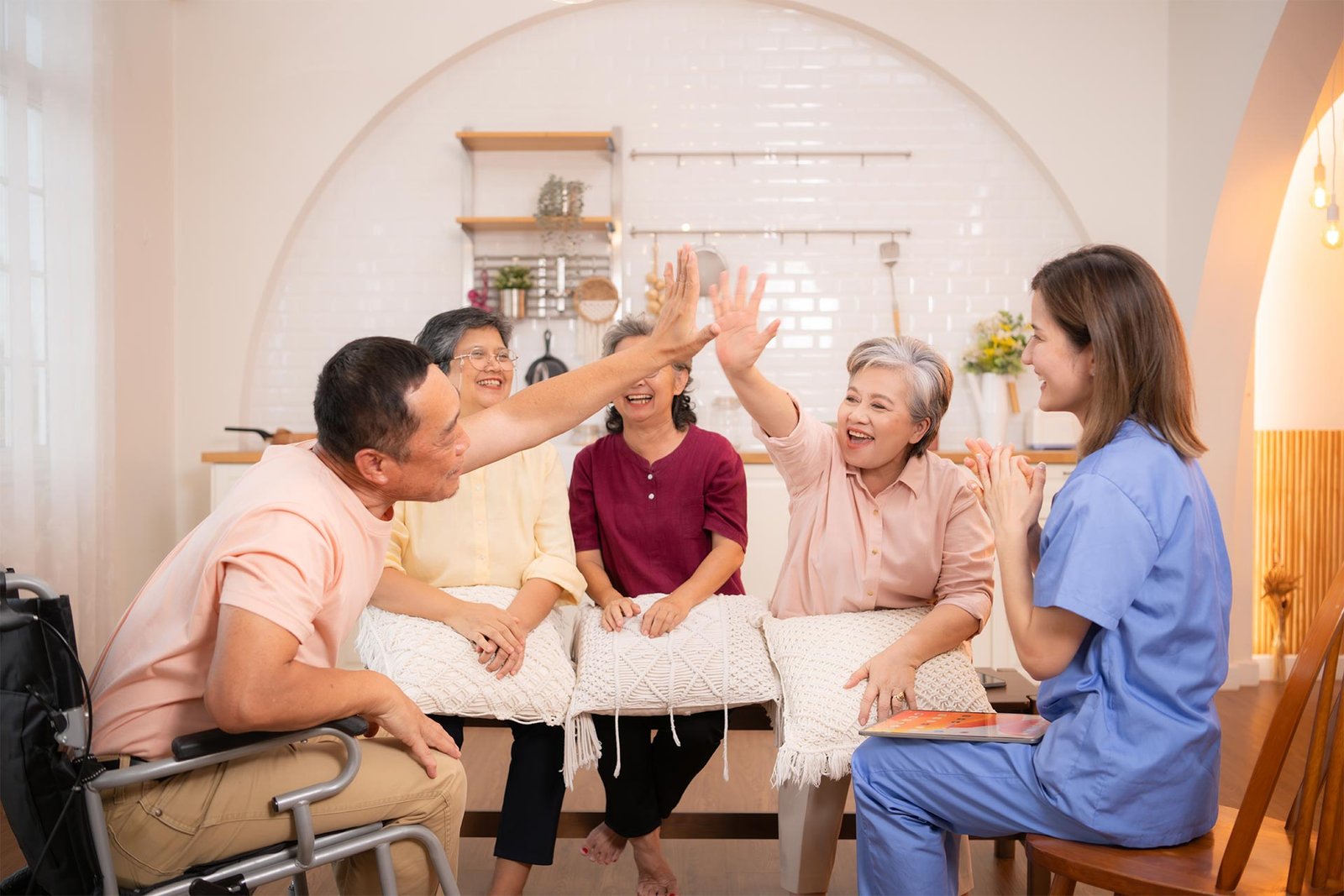
Moving from hospital to home is a significant step. Proper support makes this transition smoother and safer.
The Importance of Care Transition Support
Care transition support bridges the gap between hospital and home. It includes guidance on medication management, fall prevention, and overall home safety. This support eases the transition, reducing stress and confusion for patients and families.
BridgePoint’s focus on compassion and clear communication ensures you feel supported every step of the way. This ongoing support reinforces confidence in managing recovery at home.
Contacting Home Care London ON Services
If you need assistance, reaching out to home care services is a wise choice. Professional caregivers offer expertise and support tailored to your needs. They assist with daily activities, allowing you to focus on healing.
Explore BridgePoint Home Care Inc. for comprehensive home care services in London, Ontario. Their skilled team is dedicated to helping you achieve a safe recovery at home.
Scheduling a Home Safety Review
Consider a home safety review to identify potential hazards. A professional assessment offers insights and recommendations specific to your home. This proactive step prevents accidents and promotes a secure environment for recovery.
To take the next step towards a safer home, schedule a review with a trusted provider. This ensures your surroundings support your healing process effectively.
Frequently Asked Questions
What should I include in a home safety checklist?
A home safety checklist should address potential hazards like clutter, slippery surfaces, and poor lighting. It should also include measures for medication management and fall prevention.
How can I prevent falls at home after a hospital stay?
Prevent falls by clearing pathways, installing grab bars, using nonslip mats, and ensuring good lighting. Wearing shoes with good grip indoors also helps maintain stability.
Why is medication management important for recovery?
Proper medication management prevents errors and ensures you take the correct doses at the right time, supporting a smooth recovery.
What services does BridgePoint Home Care offer?
BridgePoint Home Care offers skilled nursing, personalized rehabilitation plans, culturally responsive care, and pediatric services to support recovery at home.
How can I schedule a home safety review?
To schedule a home safety review, contact a professional home care service provider in your area. They will assess your home and provide recommendations tailored to your needs.