

Leaving the hospital is just the first step in your recovery. What happens next can shape how quickly and comfortably you regain your independence. Personalized home care in London Ontario offers skilled nursing and rehabilitation-focused support right where you need it most—your home. In this post, you’ll learn how tailored care plans protect your dignity and safety during post-discharge recovery at home, making the transition from hospital to home smoother and more confident.
Personalized Home Care Benefits
Moving from hospital to home can be overwhelming, but personalized home care offers a path that respects your dignity and independence. Let’s explore how this approach benefits your recovery journey.
Enhancing Dignity and Independence
Personalized home care respects your need for dignity and independence. By crafting care plans that meet your specific needs, you regain control over your recovery process. This approach ensures that your personal preferences are honored, making the care experience more comfortable and empowering. When your individual needs are prioritized, you can focus on gaining strength and confidence in your recovery journey, knowing that you are supported in a way that truly matters to you.
Rehabilitation-Focused Care at Home
Rehabilitation-focused care at home provides the benefits of therapy without the need to travel. This means that the care you receive is not only convenient, but it also aligns with your personal recovery goals. Whether it’s physical therapy, occupational therapy, or other forms of rehabilitation, having these services at home can make a significant difference. It allows you to practice exercises and techniques in your everyday environment, fostering a sense of normalcy and promoting better outcomes.
Skilled Nursing and Privacy
Skilled nursing at home ensures professional medical support while maintaining your privacy. Nurses provide essential medical care like wound care and medication management, right where you feel most comfortable. This level of care means that you have access to the same expertise you would receive in a hospital, but in a familiar setting. With skilled professionals attending to your medical needs, you can focus on recovery with peace of mind, knowing that your health is in capable hands.
Smooth Transition from Hospital
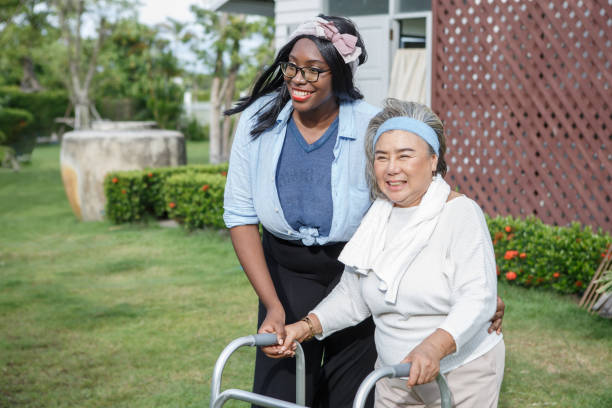
The move from hospital to home should be as smooth as possible. Let’s look at how personalized care supports a stress-free transition and keeps your recovery on track.
Safety Checks and Medication Support
Safety checks and medication management are crucial elements of home care. Regular safety assessments help prevent accidents, while professional support with medication ensures you take the right dose at the right time. This proactive approach reduces the risk of complications and promotes a safer recovery environment. By having experts handle these critical aspects, you can concentrate on healing without unnecessary worry.
Care Coordination with Hospitals
Coordinating care with hospitals adds a layer of continuity to your recovery. By working closely with your medical team, home care providers ensure that all aspects of your treatment plan are followed. This coordination helps to prevent any gaps in care, providing a seamless transition from hospital to home. When the same level of care is maintained, your chances of a successful recovery increase, giving you and your family peace of mind.
Fall Prevention and Therapy Coordination
Fall prevention and therapy coordination are integral to maintaining your safety at home. Customized strategies are put in place to minimize fall risks, and therapy sessions are scheduled to fit your routine. This comprehensive approach not only prevents accidents but also ensures that your rehabilitation is consistently aligned with your recovery goals. Knowing that your care is both proactive and responsive can enhance your confidence as you navigate your path to independence.
Supportive Services for Families

Families play a vital role in recovery, and supportive services can make this journey easier for everyone involved. Let’s explore how home care helps families manage their roles and responsibilities.
Family Respite and Pediatric Home Care
Family respite services provide much-needed breaks for caregivers, allowing them to recharge while knowing their loved ones are in capable hands. This support is invaluable, especially when caring for children with medical needs. Pediatric home care offers specialized attention to young patients, ensuring they receive the appropriate level of care and comfort. With these services, families can maintain balance and focus on their well-being, while their loved ones receive the care they need.
Culturally Responsive Caregiving
Culturally responsive caregiving respects the diverse backgrounds and traditions of each client. By acknowledging and incorporating cultural preferences into care plans, home care providers ensure that every client feels understood and respected. This approach not only enhances the quality of care but also fosters a sense of belonging and comfort. When care is delivered with cultural sensitivity, clients and their families experience a more meaningful and supportive recovery journey.
Home Care Assessment and Consultation
Home care assessments and consultations are the first steps in tailoring your care plan. These evaluations identify your unique needs and preferences, laying the groundwork for a personalized approach to recovery. By focusing on what matters most to you, home care providers can design a plan that supports your goals and enhances your quality of life. Engaging in this collaborative process empowers you to take charge of your recovery with confidence and clarity.
Frequently Asked Questions
What is personalized home care?
Personalized home care involves tailoring services to meet the individual needs and preferences of clients, promoting dignity, independence, and a more effective recovery process.
How does home care support post-discharge recovery?
Home care supports post-discharge recovery by providing skilled nursing, rehabilitation services, and medication management at home, ensuring continuity of care and reducing the risk of complications.
What services are available for families?
Families can benefit from respite services, pediatric home care, and culturally responsive caregiving, which provide support, relief, and respect for cultural preferences during the recovery process.
Why is care coordination important?
Care coordination ensures that all aspects of a client’s treatment plan are followed after discharge, providing a seamless transition from hospital to home and reducing the risk of gaps in care.
How do home care assessments work?
Home care assessments evaluate a client’s unique needs and preferences, allowing care providers to develop a personalized care plan that supports recovery goals and enhances quality of life.