
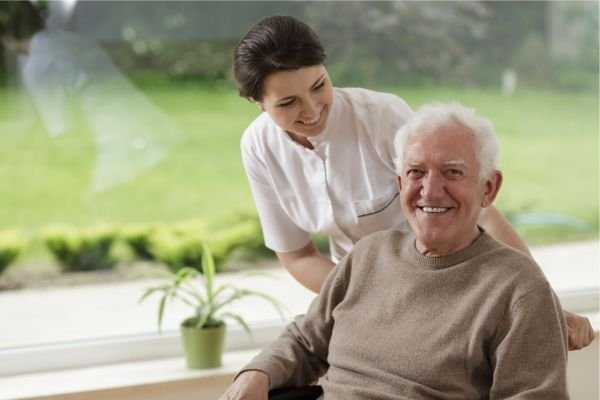
Most home care feels the same—until you notice what’s missing. When your recovery depends on clear communication and comfort, culture matters more than you think. Culturally responsive home care in London, Ontario helps you feel truly understood and supported, especially during that critical hospital to home transition. Let’s explore how personalized care plans that respect your background can make recovery safer and more comfortable. Learn more about the importance of culturally competent care.
The Importance of Culturally Responsive Home Care
Culturally responsive care is about more than just comfort; it’s about matching care to your unique needs and values. This approach can transform your recovery journey.
Enhancing Comfort and Trust
Feeling comfortable and building trust with your caregiver are vital for a smooth recovery. When you know your cultural background is respected, it creates a safe environment. Imagine having caregivers who understand and honor your traditions. This not only helps you relax but also builds a trusting relationship, making it easier to cooperate and follow care instructions.
When trust is established, communication flows better, and your recovery is more effective. For example, a caregiver who understands dietary restrictions related to your culture can help you avoid discomfort and ensure you get the right nutrition. This attention to detail makes the entire experience more reassuring and supportive.
Improving Communication and Understanding
Clear communication is crucial in healthcare. When caregivers speak your language or understand your cultural expressions, it prevents misunderstandings. Miscommunication can lead to stress or even complications in care. Studies show that culturally competent care improves patient outcomes by reducing language barriers and increasing satisfaction.
Think about how comforting it would be to express your concerns in your native language. This level of understanding allows for accurate responses to your needs, ensuring better alignment with your health goals. Caregivers who are culturally sensitive can anticipate potential issues and address them proactively.
Respecting Traditions and Language
Everyone has unique traditions and languages that shape their identity. Respecting these elements in care means you’re seen as an individual, not just a patient. When caregivers respect your traditions, it helps maintain a sense of normalcy and dignity during recovery.
Consider how celebrating important cultural events, even in small ways, can lift your spirits during your healing process. This respect extends to understanding the significance of cultural practices that might impact your health decisions. Caregivers who take this into account can better support you and your family.
Key Benefits of Personalized Care Plans
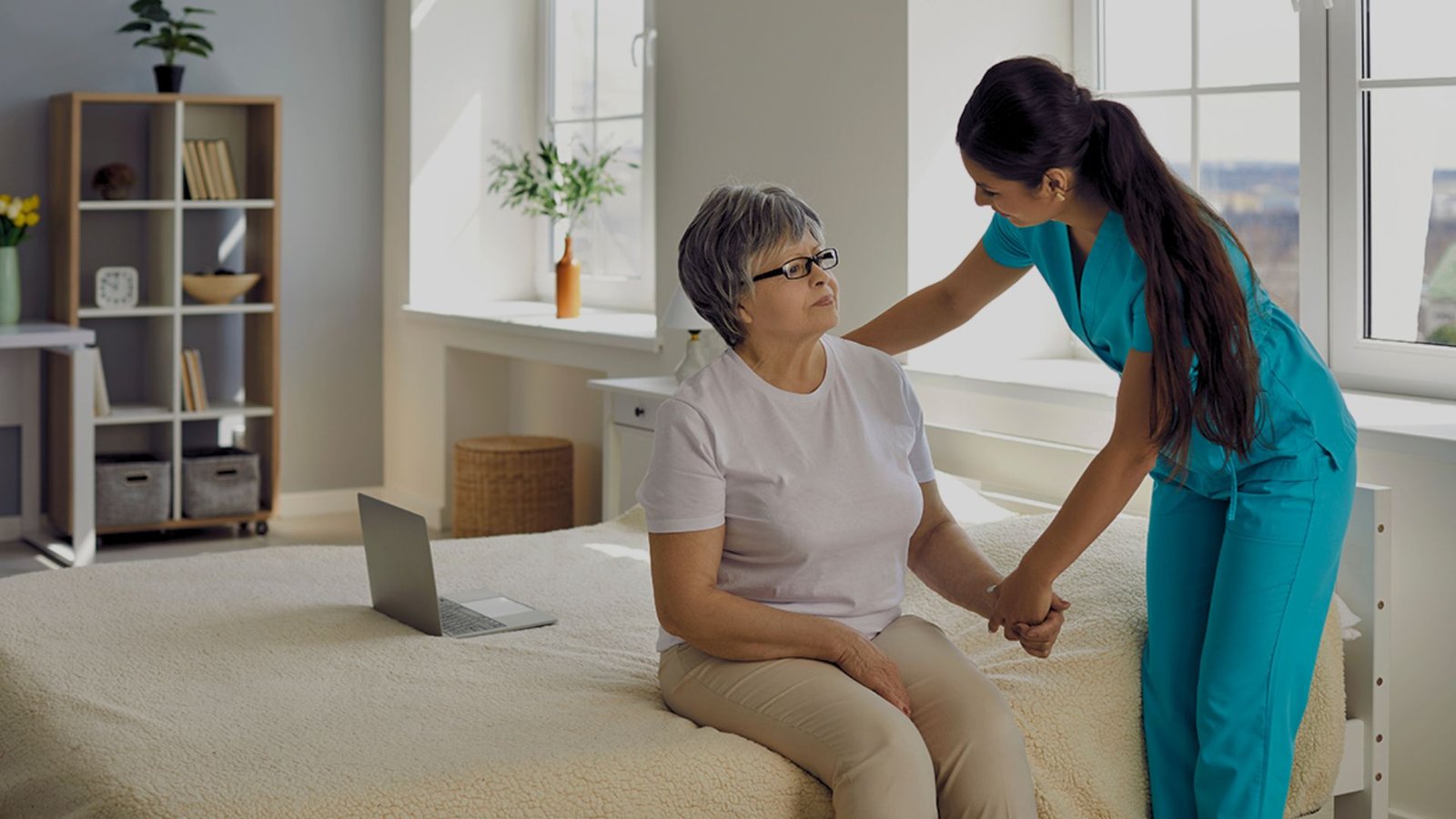
Moving to personalized care plans offers a range of benefits that cater to individual recovery paths.
Supporting Post-Discharge Recovery
After leaving the hospital, navigating recovery at home can be daunting. Personalized care plans provide a roadmap tailored to your needs. They offer clarity and structure, making the transition less overwhelming. With a plan that considers your cultural background, you can expect lower stress and a more manageable recovery process.
These plans prioritize your comfort and health goals, ensuring you receive the necessary support at home. They adapt to changes in your condition, providing flexibility and continued care as needed. This customized approach fosters a supportive environment conducive to healing.
Skilled Nursing and Rehabilitation at Home
Receiving skilled nursing care at home promotes independence and comfort. Personalized plans include professional medical care that respects your cultural context. Experienced nurses can perform complex procedures or rehabilitation tasks within your home setting, which is familiar and comforting.
This in-home support reduces trips to healthcare facilities, saving time and reducing stress. It also allows you to recover in a familiar environment, which can significantly enhance your healing process. The consistent presence of skilled professionals ensures that your health is closely monitored and adjustments to care are made promptly.
Family-Centered and Community-Based Care
Involving family in your care plan acknowledges their role in your recovery. Family-centered care respects the dynamics and needs of your household. When your family feels engaged and informed, it enhances the care you receive, creating a supportive network around you.
Community-based care extends support beyond the home. By connecting with local resources and services, your care plan can include community activities or groups that align with your cultural interests. This integration supports social engagement, which is vital for mental and emotional well-being during recovery.
Transitioning Smoothly from Hospital to Home

The transition from hospital to home is a critical phase in recovery, and culturally responsive care can make it seamless.
Multilingual Caregivers and Cultural Sensitivity
Having caregivers who speak your language makes all the difference. Multilingual caregivers can communicate effectively, reducing anxiety and ensuring you fully understand your care instructions. Cultural sensitivity goes beyond language, encompassing awareness of your customs and preferences, which enhances your comfort and trust in the care provided.
Pediatric and Senior Care in London, Ontario
Culturally responsive home care isn’t just for adults. Children and seniors benefit significantly from care that honors their cultural backgrounds. In London, Ontario, BridgePoint Home Care offers specialized services to meet their unique needs. Whether it’s language-specific activities for kids or respecting dietary habits for seniors, personalized care enriches their quality of life.
Promoting Independence and Dignity at Home
Recovery at home is about more than just health; it’s about maintaining your independence and dignity. Culturally responsive care empowers you to make choices that resonate with your values. This autonomy, supported by professional care, fosters confidence and aids in a more fulfilling recovery journey.
Frequently Asked Questions
What is culturally responsive home care?
Culturally responsive home care involves tailoring healthcare services to respect and incorporate a person’s cultural background, language, and traditions. This approach aims to improve comfort, communication, and trust between caregivers and patients.
How does culturally responsive care improve recovery?
By respecting individual cultural needs, culturally responsive care enhances communication and understanding, leading to more effective treatment and a supportive environment. This personalized approach can make recovery safer and more comfortable.
What are the benefits of having multilingual caregivers?
Multilingual caregivers help eliminate language barriers, ensuring clear communication and reducing misunderstandings. This leads to better adherence to care plans and a more positive healthcare experience overall.
How does BridgePoint Home Care support pediatric and senior clients?
BridgePoint Home Care provides culturally tailored services for both children and seniors, ensuring their unique needs are met. This includes language-specific activities and respectful support of dietary and cultural practices to enhance their quality of life.
Why is family involvement important in home care?
Family involvement ensures that care plans align with household dynamics and support systems, fostering a collaborative environment that promotes patient well-being and recovery.