

Balancing Caregiving and Personal Well-Being: 10 Strategies for Families in London, Ontario
Caregiving demands can quickly drain your energy and joy, leaving little time for your own well-being. When you juggle family needs and recovery at home, it’s easy to feel overwhelmed and alone. This guide shares 10 practical strategies to prevent caregiver burnout and shows how BridgePoint Home Care in London, Ontario supports you with personalized care plans and expert help for a safe hospital-to-home transition. For more tips on balancing caregiving and personal well-being, you might find this helpful resource.
Strategies for Caregiver Well-Being

Navigating the responsibilities of caregiving requires more than just dedication. It demands strategies that ensure your well-being, too. By recognizing and addressing caregiver burnout, setting personal boundaries, and prioritizing self-care, you can maintain your energy and joy.
Recognizing Caregiver Burnout
Understanding the signs of burnout is crucial. Feeling exhausted, irritable, or detached can signal that you need help. You’re not alone in this; many caregivers experience these feelings. Identifying burnout is the first step in combating it. Consider the support of others who have been through similar experiences. BridgePoint Home Care recognizes these challenges and offers solutions that cater to your unique needs.
Being aware of these signs helps you act before burnout becomes overwhelming. Reach out to family, friends, or professionals when needed. Taking this step shows strength, not weakness. Sharing your challenges with others can lead to solutions you might not have considered on your own. Explore more about balancing work, family, and caregiving with this guide.
Establishing Personal Boundaries
Boundaries protect your emotional and physical health. Without them, you risk spreading yourself too thin. Start small—allocate time just for you each day. This might mean setting limits on how much you handle daily or learning to say no when necessary. Boundaries ensure you’re caring for yourself as much as you care for others.
Communicate these boundaries clearly with those around you. Let family members know when you need a break or can’t take on more tasks. Creating a balanced schedule that includes downtime can make a world of difference. This practice not only supports your health but also improves the quality of care you provide. Discover more strategies at Banner Health.
Prioritizing Self-Care Routines
Self-care isn’t a luxury; it’s essential. Simple routines like a daily walk, meditation, or a relaxing bath can rejuvenate your spirit. These moments of peace enhance your ability to handle the demands of caregiving. Remember, the better you care for yourself, the better you’ll care for others.
Incorporate self-care into your daily schedule. Set reminders if needed, and treat these moments as non-negotiable appointments. This commitment to yourself is vital. It helps maintain your mental and physical health, enabling you to be there for your loved ones with renewed energy and patience. For additional tips, see this resource.
Transitioning from Hospital to Home
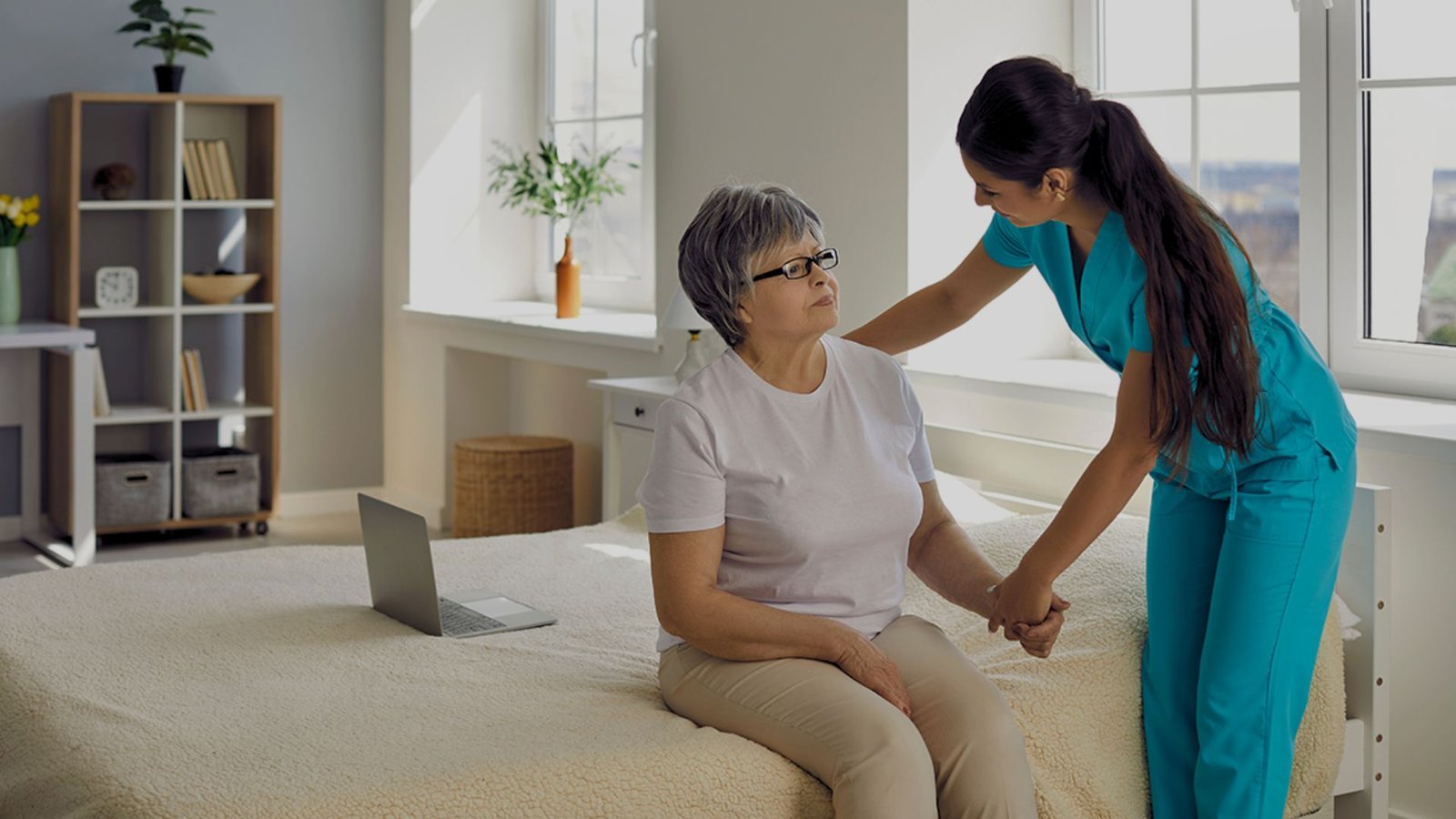
Moving from hospital to home can be a daunting transition. Caregivers play a pivotal role in ensuring this process is smooth and safe. Developing a personalized care plan, coordinating professional services, and maintaining safety at home are key steps to success.
Creating a Personalized Care Plan
A tailored care plan is like a roadmap for recovery. It addresses the specific needs of your loved one, providing clear guidance on the path ahead. Start by consulting healthcare professionals to understand the unique requirements of your situation. This plan should include medical, emotional, and daily living needs.
Personalized care plans are not static; they evolve as needs change. Regularly review and adjust them to ensure they remain effective. This proactive approach prevents gaps in care and supports a smoother transition. BridgePoint Home Care excels in creating these customized plans, offering peace of mind and clarity during challenging times.
Coordinating Professional Home Care Services
Professional home care services are invaluable in easing the transition from hospital to home. They bring expertise and support that can greatly enhance recovery. Whether it’s skilled nursing, therapy, or assistance with daily activities, these services fill in gaps you might not be able to cover alone.
Coordinate with a reliable home care provider in London, Ontario, like BridgePoint Home Care, to ensure all needs are met. This partnership allows you to focus on your relationship with your loved one rather than being solely a caregiver. It also provides reassurance that professional support is available when you need it.
Ensuring Safety and Dignity at Home
Safety and dignity are paramount when caring for someone at home. Implementing measures like grab bars, non-slip mats, and proper lighting can prevent accidents. These changes help create a secure environment where your loved one feels respected and independent.
Dignity involves more than just physical safety; it encompasses emotional well-being, too. Encourage your loved one to participate in decisions regarding their care. This involvement fosters a sense of control and self-worth. BridgePoint Home Care prioritizes these aspects, ensuring both safety and dignity are at the forefront of their services.
Leveraging Community Support Services

Community support services are vital for both caregivers and those receiving care. They offer resources that can ease the caregiving burden, making the journey less isolating. Exploring culturally responsive care, respite services, and Indigenous community support can provide much-needed relief and connection.
Exploring Culturally Responsive Care
Culturally responsive care respects and integrates the values and traditions of diverse communities. It’s essential to find services that honor these aspects, as they can greatly influence recovery and well-being. BridgePoint Home Care is committed to delivering such care, recognizing its importance in holistic healing.
Explore local resources that offer culturally tailored support. This approach not only meets physical needs but also nurtures emotional and cultural identity, creating a more comprehensive care experience that resonates with the individual and their family.
Accessing Youth and Family Respite Services
Respite services provide a much-needed break for caregivers. They offer temporary relief, allowing you to recharge and return with renewed energy. These services are crucial for maintaining your health and effectiveness in caregiving roles.
Connect with providers like BridgePoint Home Care, who specialize in youth respite services. They collaborate with families to offer structured support, promoting positive routines and development. This can be an invaluable resource, providing peace of mind while you take time for yourself.
Engaging Indigenous Community Support
Indigenous community support honors traditional values and family structures. It’s a collaborative approach that respects cultural connections and provides holistic care. Engaging with such services can enhance the caregiving experience for Indigenous families.
BridgePoint Home Care offers Indigenous-informed services, emphasizing respect and relationship-building. By partnering with Indigenous families and community partners, they deliver care that supports safety, continuity, and well-being in culturally meaningful ways. This support creates an inclusive environment where cultural identity is celebrated and integrated into the care process.