

First Week Home After Hospital Discharge: Your Safe, Step‑by‑Step Home Care Checklist
The first week at home after a hospital stay can feel overwhelming. Managing medications, appointments, and safety all at once adds pressure when you’re still recovering. This step-by-step home care checklist for your hospital to home transition in London, Ontario will help you focus on what matters most—your healing and comfort. Ready to ease that stress and regain confidence in your recovery? Let’s start.
Medication and Symptom Management

Navigating the first week requires careful attention to medications and symptoms. This ensures a smooth transition and supports your recovery at home.
Safe Medication Practices
Taking your medications correctly is vital. Start by organizing them with a pillbox or setting reminders on your phone. This helps you stick to the schedule. Know what each medication does and the possible side effects. Keep a list handy for reference. Lastly, never hesitate to contact your healthcare provider if you’re unsure about any medication instructions.
Monitoring Symptoms at Home
Keep a close watch on your symptoms. Document any changes, no matter how small. This record will be useful for your doctor visits. Look for signs of infection like fever or unusual pain. Trust your instincts; if something feels off, don’t delay seeking medical advice.
Pain Management Strategies
Managing pain effectively can enhance your recovery. Use prescribed pain medications as directed, but also explore non-medicinal options. Techniques like deep breathing and gentle movements can ease discomfort. If pain persists or worsens, reach out to your healthcare provider promptly. Remember, staying on top of pain management helps you stay active and speeds healing.
Home Safety and Mobility
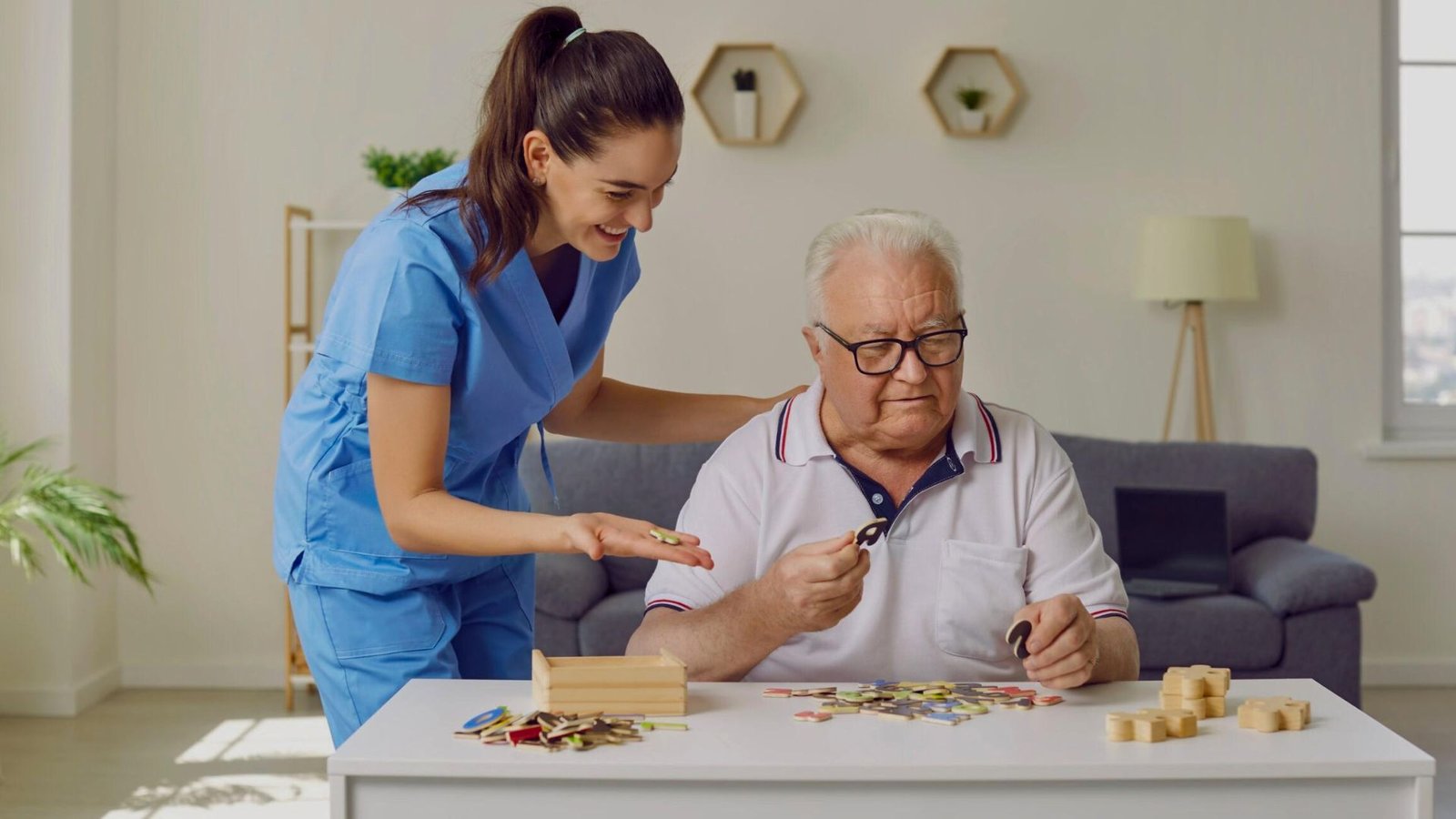
Creating a safe environment at home is crucial. It not only protects you but also boosts your confidence as you regain independence.
Conducting a Home Safety Assessment
Start by evaluating the safety of your home environment. Check for any potential hazards such as loose rugs or dim lighting. Ensure that essential items are within easy reach to avoid unnecessary strain. A clear, clutter-free space is not only safer but also promotes a calming atmosphere that supports your recovery.
Fall Prevention Checklist
Falls can lead to setbacks in your recovery. To minimize risks, consider installing grab bars in the bathroom and non-slip mats. Wear sturdy, non-slip footwear around the house. If mobility is a concern, a walker or cane might be beneficial. Regularly review this checklist to maintain a safe home environment as you heal. For more on fall prevention, check out these helpful tips.
Mobility and Equipment Needs
Assessing your mobility needs is essential. Do you require additional equipment like a wheelchair or a walker? These tools can provide support and increase your confidence. Ensure any new equipment is properly adjusted for your height and comfort. A physical therapist can offer guidance on exercises and equipment use to enhance mobility. Properly used, these aids can significantly ease your daily routines and promote recovery.
Nutrition and Caregiver Support
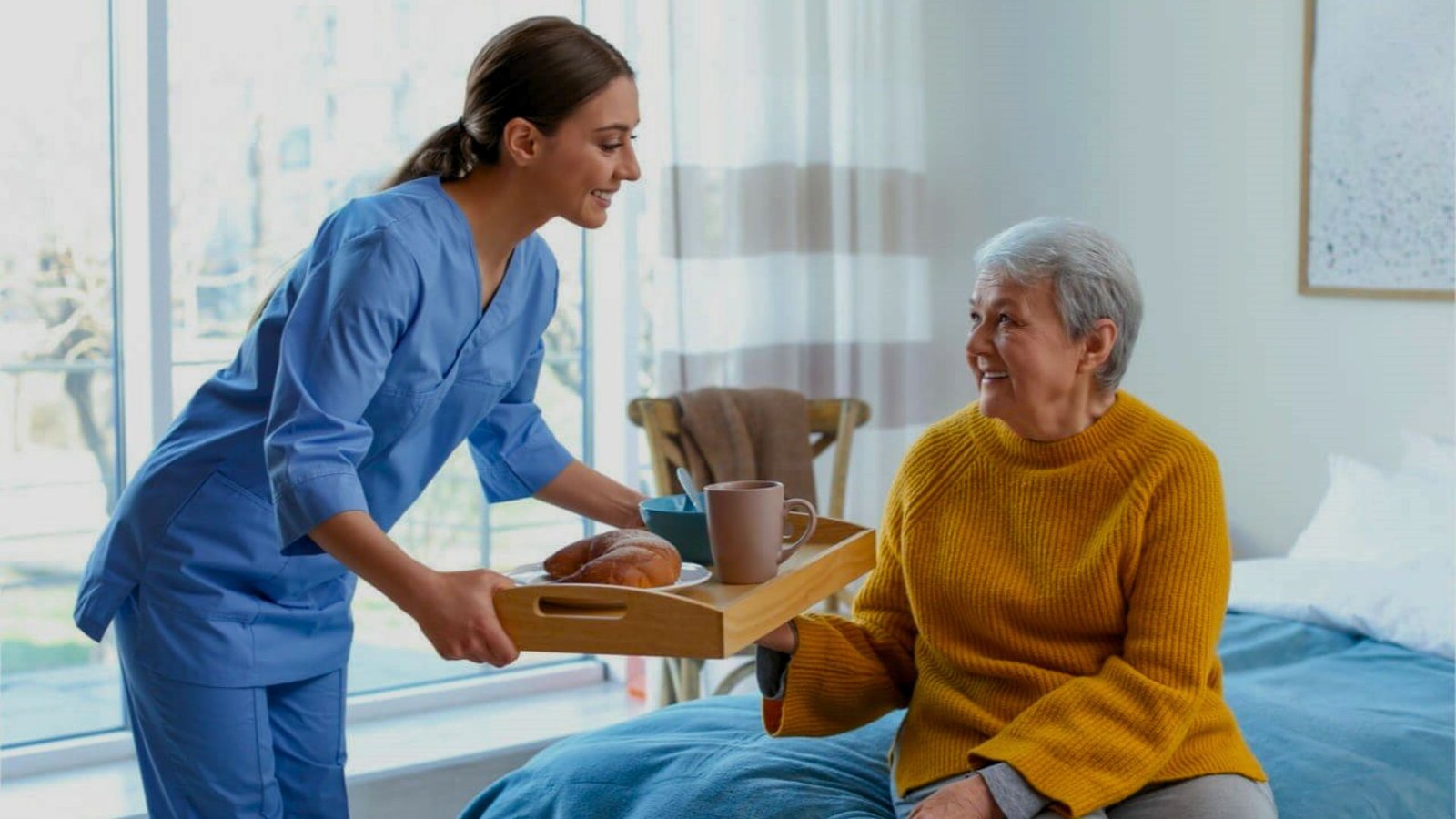
Maintaining proper nutrition and having reliable support systems in place are key elements in your recovery journey.
Ensuring Proper Nutrition and Hydration
Eating well is a foundational aspect of healing. Focus on a balanced diet rich in fruits, vegetables, and lean proteins. Hydration is equally important; aim for at least eight glasses of water a day. If appetite is an issue, consider smaller, more frequent meals. Nutritional shakes can also be a convenient supplement. Proper nutrition fuels your body for recovery and strengthens resilience.
Coordinating Caregiver Support
Having a caregiver can relieve much of the burden during recovery. Clearly communicate your needs, ensuring they understand your medication schedule, dietary requirements, and any mobility assistance you might need. Open communication is key to building a supportive and effective partnership. For more caregiver tips, refer to this comprehensive guide.
Emergency Planning and Contacts
Being prepared for emergencies is essential for peace of mind. Keep a list of emergency contacts, including healthcare providers and family members, readily accessible. Know the fastest route to the nearest hospital. Consider investing in a medical alert system if you’re alone at home frequently. This preparedness not only reduces anxiety but also ensures prompt action if an emergency arises.
Summarizing the key aspects of post-discharge care can significantly ease your transition from hospital to home. By focusing on medication management, creating a safe environment, and ensuring proper nutrition and support, you empower yourself towards a smoother recovery. For more resources on transitioning from hospital to home, visit this helpful link.