

Leaving the hospital can feel overwhelming when your child has medical needs that don’t end at discharge. Pediatric home care in London Ontario steps in to ease this transition, providing skilled nursing, daily routine support, and school reintegration guidance tailored to your child. You’ll learn how BridgePoint Home Care creates individualized plans that keep your child safe, comfortable, and ready to return to the classroom with confidence. Read more.
Pediatric Home Care: Medical Support
Pediatric home care provides essential medical support for children transitioning from hospital to home. This involves skilled nursing and managing complex medical needs at home, ensuring a safe and smooth recovery process.
Skilled Pediatric Nursing at Home
Skilled pediatric nursing at home involves a team of dedicated professionals who bring hospital-level care to your doorstep. Nurses focus on your child’s unique medical requirements, ensuring they receive the necessary attention and support.
Nurses manage tasks like monitoring vital signs and administering medications. They work closely with healthcare providers to maintain continuity of care, adapting plans as needed. This support helps ease your worries, knowing a professional is always there.
Beyond medical tasks, nurses build relationships with your child, offering emotional comfort and encouragement. This holistic approach promotes a supportive environment where your child can thrive.
Medication and Feeding Tube Care
Managing medications and feeding tubes at home can be challenging, but with professional support, it becomes manageable. Nurses ensure correct dosages and schedules, preventing complications and promoting health.
Feeding tubes require careful handling and hygiene. Nurses provide guidance on cleaning and maintenance, ensuring your child receives proper nutrition. This support is crucial for children with complex needs, as it directly impacts their recovery.
Parents learn from the nurses, gaining confidence in managing these tasks independently. This empowers you to take charge of your child’s health with professional backing when needed.
Tracheostomy and Respiratory Support
Children requiring tracheostomy and respiratory support face unique challenges. Home care specialists offer expertise in managing these needs, providing peace of mind for families.
Nurses ensure the tracheostomy tube is clean and functioning. They teach caregivers how to handle emergencies, creating a safer environment for your child. This training is vital, offering reassurance and preparedness.
Respiratory support involves monitoring and adjusting equipment to meet your child’s needs. This ensures optimal breathing and comfort, crucial for children with respiratory conditions. With professional guidance, you gain the skills to manage these challenges effectively.
Stabilizing Daily Routines
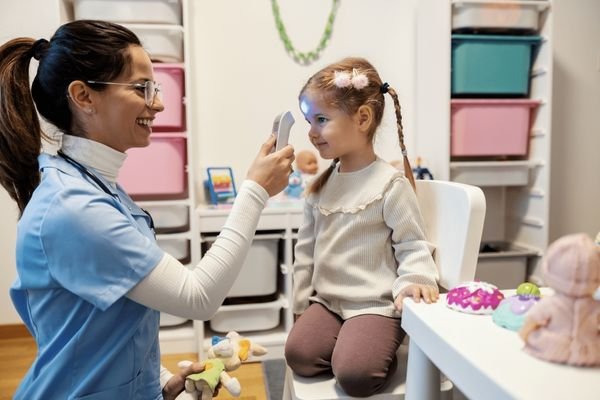
Stabilizing daily routines is vital for children returning home from the hospital. Pediatric home care supports families in establishing consistent and therapeutic activities that promote health and well-being.
Therapy-Informed Daily Activities
Daily activities, informed by therapeutic strategies, play a crucial role in recovery. These activities are tailored to your child’s needs, fostering physical and emotional development.
Incorporating exercises prescribed by therapists into daily routines helps maintain progress made in the hospital. This continuity is essential for children adapting to home life, ensuring they continue to thrive.
Engaging in creative activities also supports emotional health. Art, music, and play can be therapeutic, offering children an outlet for expression and joy. These activities contribute to overall well-being, promoting a balanced recovery.
Caregiver Coaching and Respite Care
Caregivers play a critical role in a child’s recovery. Coaching provides them with the tools and confidence needed to support their child’s needs effectively.
Through one-on-one sessions, caregivers learn how to manage medical tasks, handle emergencies, and provide emotional support. This hands-on guidance empowers caregivers, reducing stress and enhancing their ability to care for their child.
Respite care offers caregivers a break, allowing them to recharge and maintain their well-being. This service ensures continuous care for your child while giving caregivers the rest they need, ultimately benefiting the entire family.
Family-Centered and Culturally Sensitive Plans
Pediatric home care focuses on family-centered and culturally sensitive plans. These plans respect family dynamics and cultural values, ensuring care aligns with your beliefs and traditions.
Care providers work with families to create personalized care plans that address specific needs and preferences. This collaboration fosters trust and understanding, leading to more effective care.
Recognizing the importance of cultural sensitivity, care providers ensure services are delivered in a manner respectful of cultural differences. This approach promotes inclusivity and ensures all families feel supported and understood.
School Reintegration Support
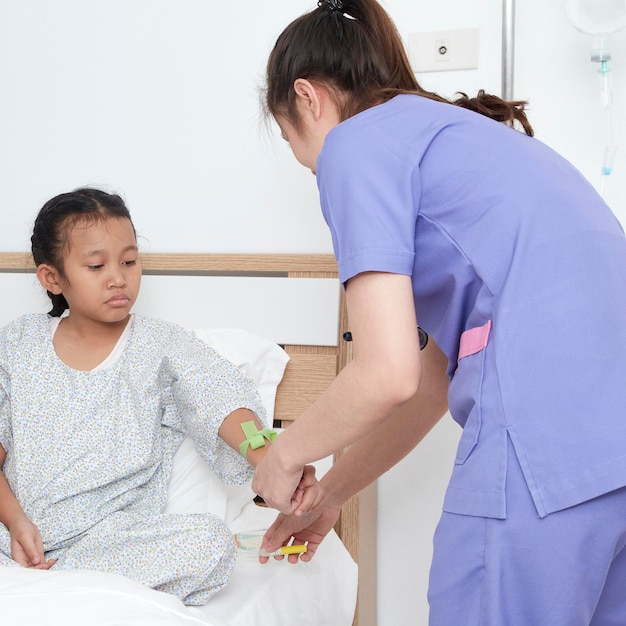
Returning to school after hospitalization is a significant step for children. Home care services offer support to ensure a smooth and confident transition back to the classroom.
Coordinated Return to School Plans
Coordinated plans are essential for a successful return to school. These plans involve collaboration between healthcare providers, educators, and families to address each child’s unique needs.
By identifying potential challenges and creating strategies to overcome them, these plans facilitate a seamless transition. This approach ensures your child feels prepared and supported as they rejoin their peers.
Regular communication between all parties involved is crucial. This ensures everyone is informed and aligned, providing a cohesive support network for your child.
Communication with Schools and Healthcare Teams
Effective communication between schools and healthcare teams is vital for a child’s success. Regular updates and meetings keep everyone informed about your child’s progress and needs.
Care providers act as liaisons, ensuring accurate information is shared and any concerns are addressed promptly. This collaboration strengthens the support system, promoting a positive school experience for your child.
Parents are encouraged to be active participants in this communication. Staying engaged allows you to advocate for your child’s needs and ensure they receive the necessary support in both medical and educational settings.
Confidence in Post-Discharge Transitions
Confidence is key in post-discharge transitions. With the right support, children can navigate this change successfully, building resilience and independence.
Home care services focus on empowering your child, providing them with the skills and confidence needed to thrive at home and school. This empowerment fosters self-assurance, encouraging children to embrace new challenges.
Families also benefit from this support, gaining confidence in their ability to manage their child’s needs. This shared growth strengthens family bonds, creating a supportive environment where everyone can succeed.
Frequently Asked Questions
What is pediatric home care?
Pediatric home care provides medical support for children transitioning from hospital to home. It includes skilled nursing, medication management, and therapy-informed activities to ensure a smooth recovery process.
How can home care support daily routines for children?
Home care supports daily routines by incorporating therapeutic activities and providing caregiver coaching. This approach stabilizes routines, promoting health and well-being for children and families.
What role do caregivers play in pediatric home care?
Caregivers are crucial in pediatric home care, managing medical tasks and providing emotional support. Coaching empowers them with the skills needed to care for their child effectively, reducing stress and enhancing family well-being.
How does home care facilitate a smooth return to school?
Home care facilitates a smooth return to school through coordinated plans and effective communication with schools and healthcare teams. This support ensures children feel prepared and confident as they rejoin their peers.
Why is culturally sensitive care important in pediatric home care?
Culturally sensitive care respects family dynamics and cultural values, ensuring services align with beliefs and traditions. This approach fosters trust, inclusivity, and a supportive environment for all families.