
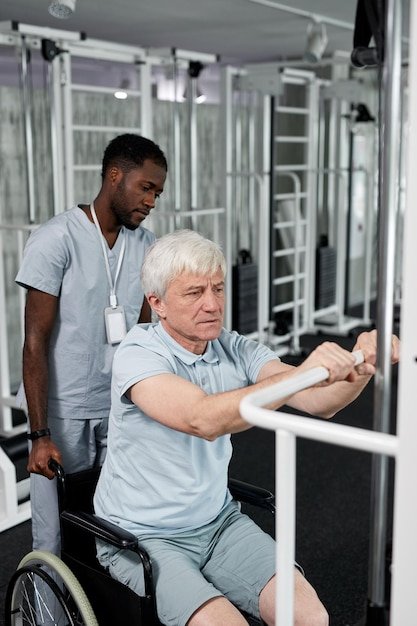
From Hospital to Home: Essential Home Modifications for a Safe, Independent Recovery
Leaving the hospital is just the first step in your recovery. Your home can either support your healing or create hidden risks that slow progress. This guide walks you through essential home safety modifications that make post-hospital recovery at home safer and more independent. Ready to see how simple changes in your bathroom, bedroom, and living spaces can protect you and boost confidence? Let’s explore practical steps tailored to your needs. For more information on enhancing safety and independence, check out this resource here.
Essential Home Modifications
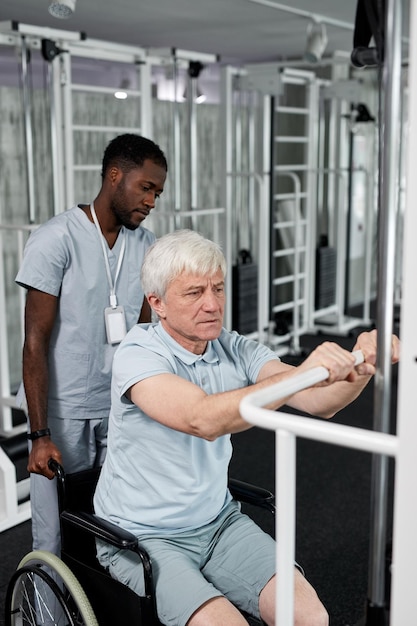
Creating a safe environment at home is key to a smooth recovery journey. Making thoughtful changes can reduce risks and improve your confidence in everyday tasks.
Fall Prevention Upgrades
Falls are a common concern, but you can reduce this risk with strategic upgrades. Start by removing tripping hazards such as loose rugs or clutter in walking paths. Install handrails in hallways and staircases to provide extra support when moving from one room to another. Consider using non-slip flooring options in areas like the kitchen and bathroom to further prevent mishaps.
One simple yet effective modification is adding motion-sensor lights. These lights automatically illuminate dark areas when movement is detected, ensuring you never have to fumble for a switch. Did you know? Over 50% of falls occur at home, often due to poor lighting. Taking these steps will not only enhance safety but also give you peace of mind.
Mobility and Transfer Aids
Moving around the house can be challenging post-discharge. Mobility aids are crucial for maintaining independence and confidence. Equip your home with assistive devices like walkers or canes that match your needs. A raised toilet seat or a shower chair can make bathroom visits safer and more comfortable.
Transfer aids such as transfer boards or mechanical lifts can assist in moving from bed to wheelchair, minimizing the risk of injury. These tools not only support your mobility but also make it easier for caregivers to help you. Remember, ensuring your environment matches your mobility needs is a proactive step toward recovery.
Lighting and Flooring Improvements
You might not realize it, but upgrading lighting and flooring can greatly impact your recovery success. Bright, even lighting throughout the home prevents accidents and eases navigation, especially at night. Consider using LED bulbs; they offer bright, clear light and use less energy.
Flooring should be smooth yet non-slip. Avoid thick carpets or loose rugs, which can become tripping hazards. If you want to keep rugs, ensure they have non-slip backings. These small changes can dramatically increase your safety and comfort, making your home a more supportive space for recovery.
Room-by-Room Safety Tips
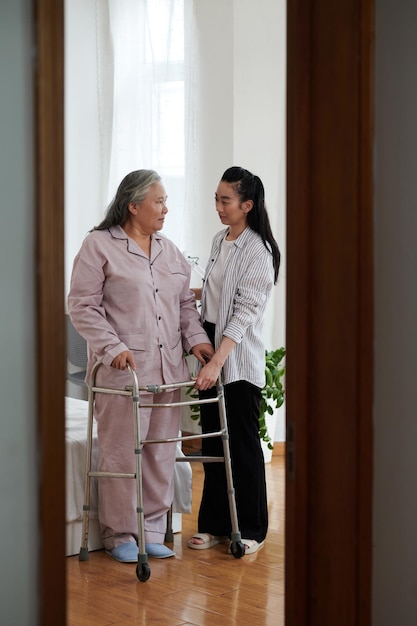
Each room in your home has unique safety needs. Tailoring modifications to each space ensures a comprehensive approach to recovery.
Bathroom Safety Grab Bars
Bathrooms are high-risk areas for slips and falls. Installing grab bars near the shower, toilet, and bathtub provides necessary support. Make sure these bars are securely anchored into the wall to hold your weight safely.
Opt for bars with a textured grip, which are easier to hold, even with wet hands. Install them at a comfortable height for your reach. By making these modifications, you’ll create a safer bathroom environment where you can feel secure and confident.
Bedroom Setup for Recovery
Your bedroom should be a sanctuary for rest and healing. Arrange furniture to allow for easy movement around the room. Place frequently used items within arm’s reach to minimize reaching and bending.
Consider a bedside commode if getting to the bathroom is difficult. An adjustable bed can also aid in finding comfortable sleeping positions and making getting in and out of bed easier. Ensuring your bedroom setup promotes recovery will help you rest easier and focus on healing.
Stair and Ramp Safety
Stairs can be daunting, but modifications can make them manageable. Install sturdy handrails on both sides of the staircase. Ensure steps are well-lit and free of obstacles.
For those using wheelchairs or walkers, ramps are essential. Make sure they have a gentle slope and are equipped with non-slip surfaces. These changes make navigating your home safer and more accessible, empowering you to move with assurance.
Professional Support and Resources
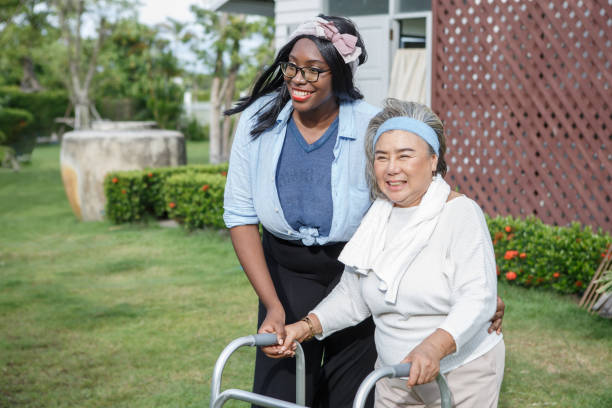
Enlisting professional help can further ease the transition from hospital to home, offering tailored support and expert guidance.
Occupational Therapy Home Assessment
An occupational therapy home assessment can identify potential hazards and recommend specific modifications. These assessments provide personalized advice, ensuring your home meets your unique recovery needs. Most people think their home is already safe, but an expert can reveal hidden risks.
Consider scheduling an assessment to gain valuable insights and create a safer environment that supports your recovery.
In-Home Skilled Nursing London
Having access to skilled nursing care can significantly enhance your recovery at home. In-home nurses assist with medical needs, medication management, and daily activities, providing peace of mind to you and your family.
In London, Ontario, services like in-home skilled nursing offer expert care tailored to your situation, ensuring a smooth transition and ongoing support. Knowing you have professional help available can alleviate stress and focus your energy on healing.
Personalized Care Plans and Support
Every recovery journey is different, which is why personalized care plans are essential. These plans are crafted to suit your specific medical needs and personal preferences, promoting independence while ensuring safety.
BridgePoint Home Care Inc. offers comprehensive support, from skilled nursing to cultural care, all designed to foster your recovery. By choosing personalized care, you invest in a holistic approach that empowers you to thrive at home.
As you consider these modifications and resources, remember that creating a safe, supportive environment is key to a successful recovery journey.