
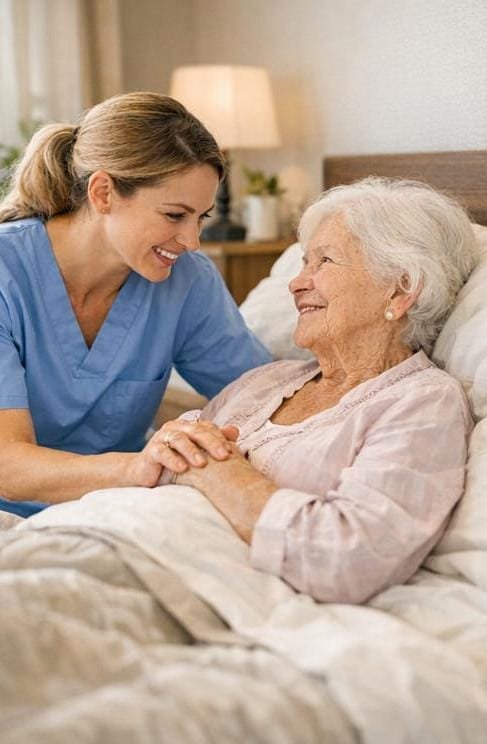
Leaving the hospital is a big step, but the real challenge is staying safe and strong at home. Skilled nursing at home offers the support you need to manage wounds, medications, and recovery without added stress. At BridgePoint Home Care in London, Ontario, our team creates personalized plans that fit your unique needs—helping you regain independence while reducing chances of readmission. Read on to learn how our skilled nursing at home can make your recovery safer and smoother.
Benefits of Skilled Nursing at Home
Stepping into your home after a hospital stay can feel daunting. Skilled nursing bridges the gap, bringing professional care directly to you.
Safer Recovery After Hospital
Skilled nursing at home ensures a safer recovery journey. With expert care on hand, you have support managing your health needs. Nurses oversee your treatment plan, monitor vital signs, and adjust care as needed. This attention helps catch potential issues early, reducing risks. It’s like having a healthcare safety net in your living room, offering peace of mind for you and your family.
Personalized Post-Discharge Care
After leaving the hospital, personalized care is key. Skilled nurses tailor services to fit your health goals and preferences. They understand that each person’s recovery is unique. By working closely with you, they design a care plan that aligns with your medical history and lifestyle. This individualized approach fosters a comfortable environment for healing, making recovery less stressful and more effective.
Reducing Hospital Readmissions
A major benefit of home nursing is fewer hospital readmissions. Nurses help manage chronic conditions, ensuring treatments are followed correctly. They educate you on recognizing warning signs, providing tools to maintain your health. By keeping a close eye on your progress, they help spot problems before they require another hospital visit, supporting a stable recovery at home.
Key Services for Home Recovery
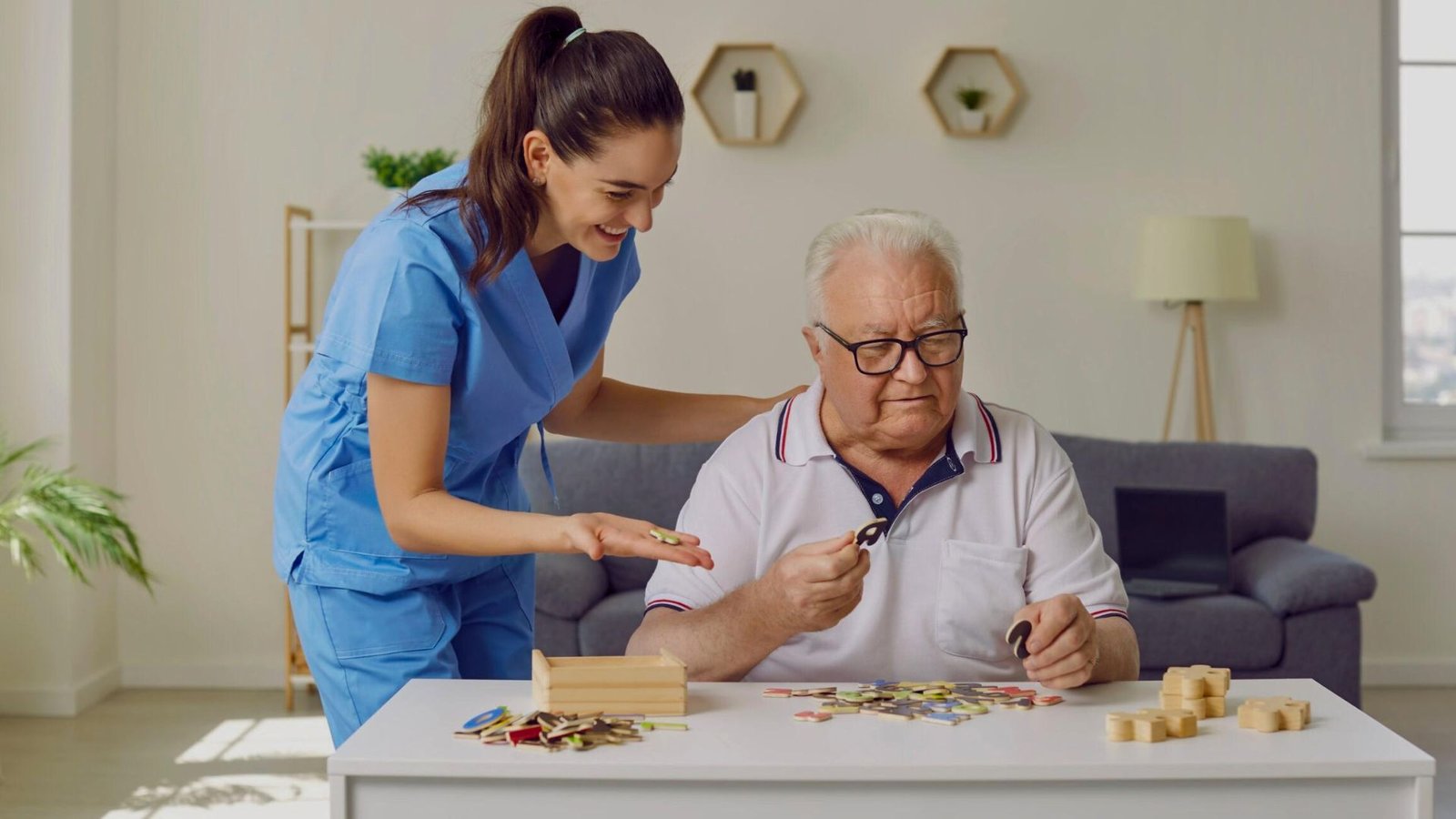
Home recovery services cover a broad range of needs, from medication management to promoting safety. Each service empowers you to heal confidently at home.
Medication and Pain Management
Managing medication is crucial for recovery. Home nurses ensure you take prescriptions correctly, explaining dosages and side effects. They also address pain management, providing strategies to ease discomfort. By monitoring medication routines, nurses help prevent complications, allowing you to focus on getting better without the stress of handling medications alone.
Wound and IV Care at Home
Wound and IV care are complex, but skilled nurses make them manageable. They assist with dressing changes and monitor healing, ensuring cleanliness and preventing infection. For IV care, nurses handle administration and monitor reactions. This professional oversight ensures treatments are effective and safe, promoting a smoother healing journey at home.
Falls Prevention and Safety
Preventing falls is vital, especially post-surgery. Nurses assess your home for hazards and suggest modifications. They offer exercises to improve balance and strength, lowering fall risks. By focusing on safety, nurses help you regain confidence in your mobility, creating a secure environment conducive to recovery.
Transitioning from Hospital to Home
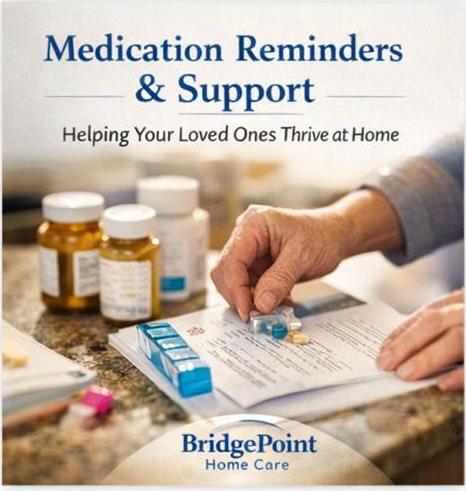
Transitioning home is smoother with coordinated care. Collaboration between healthcare teams ensures continuity and support every step of the way.
Coordinating with Healthcare Teams
Effective recovery starts with teamwork. Nurses coordinate with your doctors and therapists, sharing vital health updates. This collaboration ensures everyone is informed, making adjustments to your care plan seamless. It creates a unified approach to your recovery, enhancing outcomes and ensuring comprehensive support.
Creating a Personalized Care Plan
A personalized care plan is the cornerstone of effective recovery. Nurses develop this plan in partnership with you, addressing your unique needs and goals. By considering your medical history and personal preferences, the plan is not only effective but also respectful of your lifestyle. This customization supports a healing process that feels natural and empowering.
Supportive and Culturally Responsive Care
Care that respects your cultural needs is important. Skilled nurses provide services that honor your values and traditions. They communicate with sensitivity and adapt care strategies accordingly. This responsiveness fosters a trusting relationship, ensuring that care feels personalized and supportive throughout your recovery journey.
Frequently Asked Questions
What is skilled nursing at home?
Skilled nursing at home involves professional healthcare services provided in your home. Nurses assist with medical care, medication management, and daily activities, ensuring a safe recovery.
How does skilled nursing prevent hospital readmissions?
Skilled nursing reduces readmissions by managing chronic conditions, ensuring treatment adherence, and monitoring health changes. Nurses provide education and intervention, catching issues early.
What types of services do home nurses provide?
Home nurses offer a range of services, including medication management, wound care, IV therapy, falls prevention, and personalized care planning, all tailored to support recovery at home.
How is a personalized care plan created?
A personalized care plan is developed by nurses in consultation with you and your healthcare providers. It considers your medical history, personal goals, and preferences to ensure effective and respectful care.
Why is culturally responsive care important?
Culturally responsive care respects your values and traditions, fostering trust and comfort. It ensures that healthcare services are aligned with your cultural needs, enhancing the care experience.