
From Hospital to Home: Practical Home Modifications That Boost Safety and Confidence
Leaving the hospital is just the first step toward recovery. Your home should feel like a safe haven, not a place full of hidden risks that cause worry or setbacks. With practical home safety modifications, you can reduce the chance of falls and regain confidence during post-hospital recovery. This guide will show you simple changes that make a big difference in your hospital to home transition.
Enhancing Home Safety After Hospital Discharge
As you prepare to leave the hospital, transforming your home into a safer space becomes a priority. These changes aim to make your post-hospital recovery smoother and more secure.
Essential Home Safety Modifications
Making adjustments in your home can greatly reduce risks. Start with simple changes like adding grab bars in the bathroom and non-slip mats in areas prone to moisture. This small effort can prevent dangerous falls. A stair and ramp safety check ensures that these areas are stable and easy to navigate. For bedrooms, consider adjusting the bed height to make getting in and out easier. Nightlights can illuminate pathways, reducing the chance of tripping.
Even small tweaks can have a substantial impact. Medication management support is crucial; organizing pills with a visible schedule helps prevent missed doses. By addressing these areas, your home turns into a sanctuary, promoting healing and independence. Remember: most people think that these steps are costly, but they can be affordable and effective. Learn more here.
Fall Prevention Tips for Home
Falls are a major concern during recovery, so taking preventive steps is vital. Clear clutter from walkways to ensure smooth navigation. Rugs should be secured or removed to avoid slipping hazards. Mobility aids like canes or walkers can provide extra support; these are available throughout London, Ontario.
Consider installing handrails along staircases for additional stability. A simple change like wearing shoes with non-skid soles can add another layer of safety. It’s not just about avoiding accidents; it’s about gaining confidence in your steps. Keep in mind that most people assume only older adults need such modifications, but they benefit everyone in recovery. Explore more fall prevention tips.
Practical Solutions for Safe Transitions
Turning your home into a more secure environment doesn’t stop with physical modifications. Understanding your needs and seeking the right resources is just as important.
In-Home Safety Assessment Explained
A professional in-home safety assessment can highlight areas needing improvement. Experts will examine your living space and suggest modifications tailored to your recovery needs. This service can identify hidden risks you might overlook. Knowing your home is optimized for safety provides peace of mind.
During an assessment, you’ll receive advice on everything from bathroom adjustments to stair and ramp safety. The goal is to create an environment that supports your independence. Most people think they can manage on their own, but expert guidance can uncover solutions you might not consider. Find out more.
Importance of Mobility Aids in Recovery
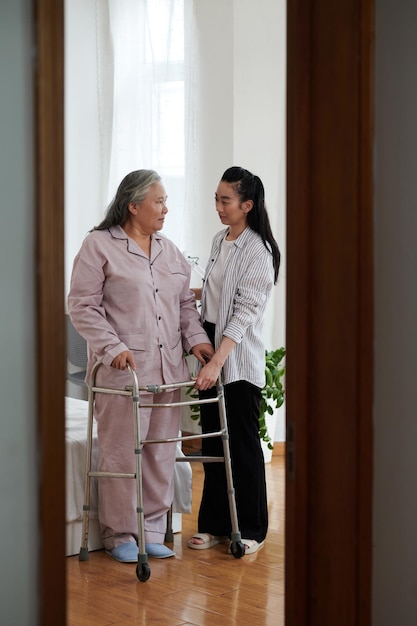
Mobility aids play a crucial role in maintaining safety and confidence. Items like walkers and canes provide support, allowing you to move freely. They help prevent falls while building your strength and balance. In London, Ontario, various options are available to suit your specific needs.
Using aids might seem intimidating at first, but they empower you during recovery. These tools foster independence, letting you engage in daily activities without fear. Remember, most people believe that mobility aids signify weakness, yet they truly reflect resilience and determination. Learn how to adapt your home.
Expert Support and Resources
While home modifications are vital, professional support enhances your recovery journey significantly. Knowing who to turn to makes a difference.
Skilled Nursing and Rehabilitation Care
Engaging with skilled nursing care ensures you receive the medical attention needed at home. Professionals aid in rehabilitation-focused home care, addressing both medical and personal care needs. This service is invaluable for those requiring ongoing medical support and monitoring.
Qualified nurses help manage your recovery, implementing care plans tailored to your condition. They provide a bridge between hospital care and independent living. Most people think home recovery means handling everything alone, but professional help is available to ease the process.
Caregiver Education and Support Options
Caregiver support is essential for families assisting loved ones during recovery. Education programs offer insights into effective care practices, reducing stress and enhancing your loved one’s experience. Training equips caregivers with skills to manage daily tasks safely.
Support groups provide a community for sharing experiences and solutions. Engaging with other caregivers can provide emotional relief and practical advice. Recognizing the value of caregiver education ensures a more comfortable and confident recovery journey for everyone involved.
By implementing these strategies and seeking professional guidance, your transition from hospital to home becomes not just a process, but a path to renewed independence and peace of mind. BridgePoint Home Care stands ready to support you every step of the way, embodying the values of dignity, compassion, and excellence.