From Hospital to Home: Skilled Nursing That Simplifies Complex Medications and Strengthens Rehabilitation
Managing complex medications and rehabilitation after a hospital stay can feel overwhelming. At BridgePoint Home Care Inc., skilled nursing at home in London Ontario offers clear support to keep medication routines safe and rehabilitation steady. You’ll learn how personalized care reduces risks and eases the transition back to daily life, helping you or your loved one regain independence with confidence. For more insights on skilled nursing care at home, visit this link.
Skilled Nursing at Home Benefits
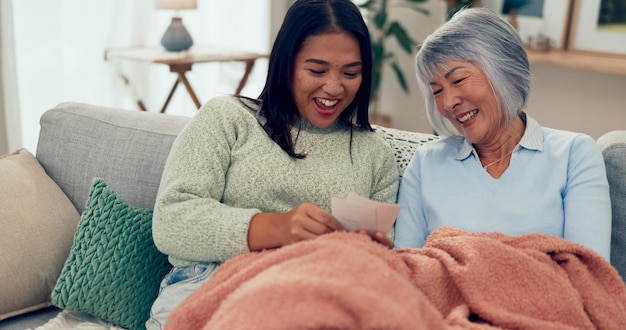
Transitioning from the hospital to home can be challenging, but skilled nursing at home provides vital support. This section explores how these services can help you manage every aspect of your recovery journey.
Safe Medication Management
Keeping track of your medications can be tricky, especially after a hospital stay. Skilled nursing at home offers peace of mind by ensuring your medication routines are accurate and safe. Nurses work with you to create a detailed plan that aligns with your prescriptions. They help set up reminders to take medicine on time, reducing the risk of missed doses or errors. Regular check-ins mean adjustments are made quickly if your prescriptions change.
In addition to daily management, nurses educate you about each medication’s purpose and side effects. This knowledge empowers you to make informed decisions about your health. A study revealed that medication errors decrease by 50% when nurses provide in-home care. With this level of support, you can focus on healing without the stress of handling complex medication regimens alone.
Rehabilitation at Home Support
Rehabilitation in the comfort of your home can significantly enhance your recovery. Home-based rehab allows you to practice exercises and routines tailored to your needs without the stress of traveling to appointments. Therapists work with you one-on-one, focusing on your specific goals. This personalized attention speeds up recovery, as exercises are adjusted in real-time to match your progress.
Being at home also means more flexibility in scheduling sessions, allowing rehabilitation to fit seamlessly into your daily life. This approach not only strengthens physical recovery but also boosts your confidence and mental well-being. Most people find that recovering at home feels more comfortable and less intimidating, leading to better outcomes.
Caregiver Relief and Support
Caregivers often bear the weight of managing a loved one’s recovery. Skilled nursing at home offers them much-needed relief by sharing these responsibilities. Professional nurses handle medical tasks, freeing up time for caregivers to focus on emotional support and other family duties. This division of labor reduces stress and prevents burnout, making caregiving a sustainable role.
Moreover, having a professional in the home offers an extra layer of expertise and security. Caregivers can rest assured knowing that their loved one’s health is in capable hands. This support system fosters a balanced environment, where everyone involved can thrive during the recovery process.
Personalized Transition from Hospital
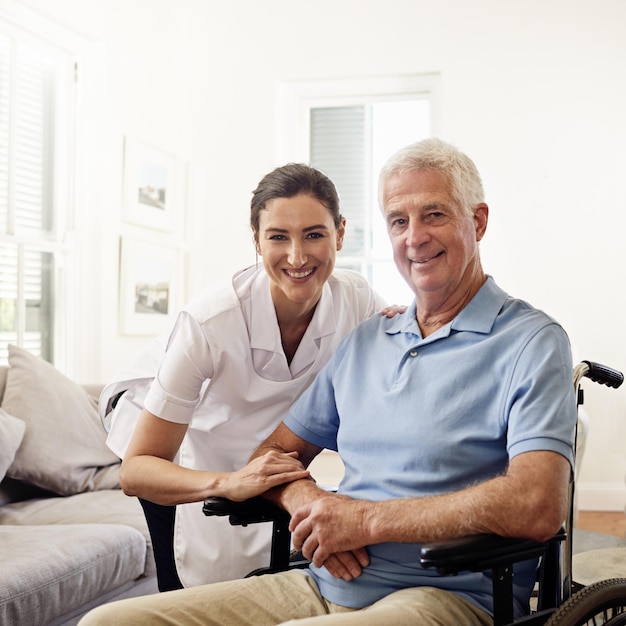
A smooth transition from hospital to home is crucial for recovery. Personalized care ensures this shift is comfortable and efficient, addressing all medical and emotional needs.
Medication Setup and Monitoring
Setting up your medications correctly is a key step in your transition home. Nurses assist in organizing your prescriptions, ensuring everything is labeled and easy to access. They also monitor your responses to medications, watching for any adverse effects. This careful oversight is crucial, as it helps prevent complications that could lead to rehospitalization.
Regular updates with your healthcare team keep everyone informed and aligned on your progress. This collaborative approach ensures adjustments are made promptly, maintaining the effectiveness of your treatment plan. By establishing a reliable medication routine, you can focus on strengthening your recovery.
Wound Care and Pain Management
Managing wounds and pain is essential for healing. Skilled nurses provide expert care, cleaning and dressing wounds to prevent infections. They teach you how to care for wounds between visits and recognize signs of infection. This education empowers you to take an active role in your recovery.
Pain management is equally important. Nurses assess your pain levels and adjust strategies to ensure you’re comfortable. They might introduce techniques like breathing exercises or recommend changes in medication. Effective pain management leads to better sleep and faster healing, bringing you one step closer to full recovery.
Cultural Sensitivity in Care
Care that respects your cultural values makes a significant difference in your recovery. BridgePoint Home Care Inc. prioritizes cultural sensitivity, ensuring that care plans are tailored to align with your beliefs and traditions. This approach fosters trust and comfort, allowing you to communicate openly with your care team.
Nurses trained in cultural sensitivity understand the nuances of different traditions, providing care that feels respectful and inclusive. This personalized approach not only enhances the care experience but also supports emotional well-being, crucial for a successful recovery.
Building Confidence in Recovery
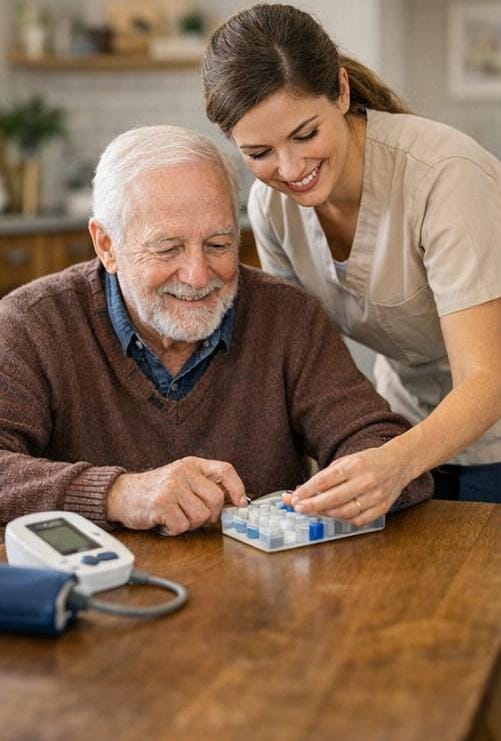
Gaining confidence in your recovery journey is vital. Knowing you’re supported by a team that understands your needs helps you regain independence and thrive at home.
Pediatric and Senior Needs
Children and seniors have unique needs during recovery. Pediatric home care in London, Ontario, focuses on creating a supportive environment for young patients. Nurses collaborate with families to develop care plans that include playful learning and physical activities. This nurturing approach helps children feel at ease and promotes healing.
Similarly, senior home care services address the specific challenges older adults face. Nurses provide assistance with daily activities, ensuring safety and comfort. They tailor exercises to improve mobility and strength, promoting independence. This personalized care helps seniors stay confident and engaged in their recovery process.
Reducing Hospital Readmissions
Preventing hospital readmissions is a major goal of home care services. With attentive monitoring and support, skilled nursing at home significantly lowers the chances of returning to the hospital. Nurses identify potential health issues early, addressing them before they escalate. This proactive approach keeps recovery on track and avoids the stress of additional hospital visits.
Most people assume that hospital stays are inevitable during recovery, but with proper home care, the risk is greatly reduced. Investing in skilled nursing at home means investing in a smoother, safer recovery journey.
Personalized Home Care Plans
Each individual’s recovery journey is unique. Personalized home care plans ensure that every aspect of your care is tailored to your needs and goals. These plans incorporate input from you, your family, and healthcare providers, creating a comprehensive approach to healing.
With a focus on your preferences and lifestyle, these plans make recovery more manageable and effective. You’re not just a patient; you’re an active participant in your health, working alongside a team committed to helping you succeed. This collaborative spirit fosters confidence and encourages a swift return to daily life.