
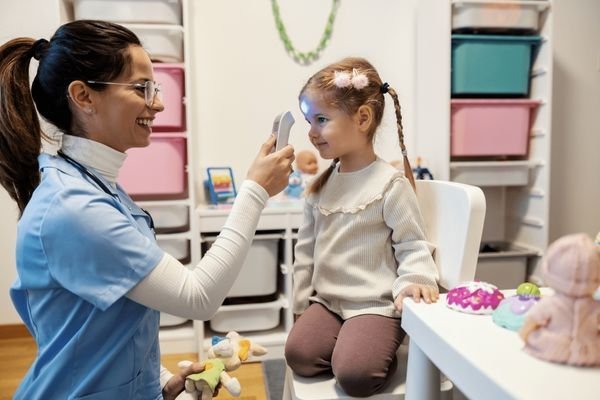
Leaving the hospital with your child brings relief and fresh challenges. Managing your child’s medical needs at home while keeping family routines steady can feel overwhelming. With pediatric home care London Ontario services, you gain a trusted partner to guide you through post-discharge pediatric care, skilled nursing at home, and personalized pediatric care plans designed for your family’s unique needs. This support helps you focus on what matters most: your child’s comfort and your family’s daily rhythm. For more insights on family routines, see The Importance of Family Routines.
Supporting Your Child at Home
Creating a supportive home for your child with medical needs starts with a safe environment. It’s vital for their comfort and your peace of mind.
Building a Safe Home Environment
Your home should be a sanctuary where your child feels secure. Start by identifying potential hazards. Secure furniture, cover electrical outlets, and ensure that medical equipment is safely stored. Regularly check for any safety issues to maintain a child-friendly space. 75% of home accidents could be prevented by addressing these simple tips.
Additionally, consider setting up a dedicated area for medical treatments. This helps organize supplies and makes caregiving more efficient. It’s also comforting for your child to know where their care happens. For more detailed guidance, check out these tips for caring for a medically complex child at home.
Managing Medications and Equipment
Handling medications and medical devices can be daunting, but a system helps. Keep an updated list of medications, dosages, and schedules. Use a pill organizer to avoid missed doses. Always store medications out of children’s reach.
Medical equipment should be checked regularly for functionality. Understanding how each device works and having a backup plan in case of failure is crucial. Training every caregiver in your home ensures everyone is prepared for emergencies. Learn more about how pediatric care supports medically complex kids at home.
Creating a Daily Care Schedule
A routine can ease the stress of managing medical needs at home. Develop a schedule that includes medications, therapies, and rest. Involving your child in this process can boost their sense of control and independence.
Flexibility is key. Adjust the schedule based on your child’s energy levels and medical appointments. Document any changes to track what works best. This routine fosters a sense of normalcy, making your child’s needs manageable without interrupting family life.
Maintaining Family Routines

Balancing family life with caregiving is a continuous effort. Keeping routines stable provides comfort and reduces anxiety for everyone.
Balancing Care and Family Activities
You can blend caregiving with family time. Include your child in regular activities, adjusting them to suit their needs. This inclusion is crucial for their emotional well-being and strengthens family bonds.
For example, if your family loves movie nights, create a cozy setup that accommodates your child’s medical needs. Simple activities like reading together or shared meals help maintain a sense of togetherness.
Involving Siblings in the Routine
Siblings play a vital role in maintaining harmony. Involve them in care routines to help them understand their sibling’s needs. Assign age-appropriate tasks to foster responsibility and empathy.
It’s important to spend quality time with each child individually, ensuring they feel valued. This helps siblings adapt to the new family dynamics without resentment.
Scheduling Respite Care
Caring for a child with medical needs can be exhausting. Scheduling respite care provides necessary breaks for the primary caregiver. It allows you to recharge and tend to other responsibilities, knowing your child is in trained hands.
Respite care also benefits your child by offering them interaction with new caregivers. Look into family respite care in London, Ontario services for support options.
Partnering with BridgePoint Home Care

Choosing the right partner for your child’s care is essential. BridgePoint Home Care offers expertise and compassion, ensuring a smooth transition from hospital to home.
Benefits of Skilled Nursing at Home
Skilled nursing provides specialized care at home. Nurses monitor your child’s health, manage medications, and handle medical equipment. This service reduces hospital visits and supports recovery in a familiar setting.
Professional care also brings peace of mind. You know your child is receiving quality care tailored to their needs, allowing you to focus on being a parent rather than solely a caregiver.
Culturally Sensitive Home Care Options
Cultural sensitivity is paramount in personalized care. BridgePoint Home Care respects your family’s values and traditions, integrating them into care plans. This approach helps your child feel understood and respected, promoting their comfort and cooperation.
Transition Consultation and Home Safety Check
A transition consultation assesses your home for safety and readiness. Trained professionals help identify areas for improvement and provide solutions. This consultation ensures your home meets your child’s medical needs, supporting their health and safety.
For more insights on pediatric home care, explore the role of pediatric home care in helping children thrive.
Frequently Asked Questions
How can I make my home safer for my child with medical needs?
Start by identifying and minimizing hazards like unsecured furniture or exposed outlets. Create a dedicated area for medical equipment and regularly check for safety issues.
What should I include in my child’s care schedule?
Incorporate medication times, therapies, and rest periods. Adjust the schedule based on your child’s changing needs and energy levels.
How do I balance caregiving with regular family activities?
Integrate your child into family activities with necessary adjustments. Simple routines like shared meals or movie nights can maintain family bonds and provide normalcy.
Why is respite care important?
Respite care offers breaks for primary caregivers, allowing them to recharge. It also introduces your child to new interactions, enhancing their social skills.
What services does BridgePoint Home Care offer?
BridgePoint Home Care provides skilled nursing, culturally sensitive care, and transition consultations to ensure a safe and supportive home environment for recovery.