

From Hospital to Home: What Personalized Care Should Include After Discharge
Leaving the hospital is just the first step toward recovery. Your home care after discharge must be tailored to your unique needs to ensure safety, comfort, and independence. With post-discharge home care designed around you, including skilled nursing at home and personalized support, the transition from hospital to home in London, Ontario becomes a confident, manageable process. Let’s explore what your personalized care plan should include to help you thrive. Learn more about transitioning from hospital to home here.
Building a Personalized Care Plan

Creating a personalized care plan is crucial for a successful transition from hospital to home. It ensures you receive the right support tailored to your needs.
Essentials of Post-Discharge Home Care
What should you focus on once you’re back home? Post-discharge home care is about ensuring a smooth recovery. This means having access to services that promote safety and well-being. It could range from assistance with daily tasks to medical support. The key is to have a plan that meets your specific needs, facilitating a comfortable and safe environment.
Imagine returning home and feeling confident because everything is set up for you. You’ll want to consider factors like mobility, medical equipment, and personal preferences. Developing a thorough plan can make your recovery smoother and quicker.
Importance of Skilled Nursing at Home
Why is skilled nursing at home so valuable? Having a nurse visit your home means expert care is just a call away. They can monitor your health, administer medication, and provide professional medical attention when needed. This service is essential for those who need ongoing medical care but prefer to stay at home.
Nurses trained in rehabilitation-focused home care can tailor their approach to fit your recovery goals. They offer not just medical assistance, but also a sense of security, knowing that help is there if needed.
Effective Medication Reconciliation
Staying on top of your medication after leaving the hospital is crucial. Medication reconciliation ensures all your prescriptions are correctly managed. This process involves reviewing your medication list to avoid errors and interactions. It’s a vital step in preventing complications.
Keeping track of medications can be overwhelming, but with proper guidance, it becomes manageable. A healthcare professional can assist in setting up reminders and organizing your prescriptions.
Ensuring Safety and Support

Once you’ve got the basics down, it’s time to ensure your home is a safe haven for recovery, both physically and emotionally.
Home Safety Assessment and Fall Prevention
Are you confident your home is safe enough? A home safety assessment identifies potential hazards. This might include checking for loose rugs, poor lighting, or obstacles that could lead to falls. Once risks are identified, fall prevention strategies are put in place.
You’d be surprised how small changes can make a big difference in safety. Simple adjustments can help you move around your home with confidence and reduce the risk of injury. For more on how to prevent falls at home, see this guide.
Importance of Wound Care at Home
If you have wounds that need tending, this is a priority. Proper wound care at home helps prevent infections and supports healing. A healthcare provider can teach you or your family how to care for wounds correctly, ensuring you’re on the road to recovery.
Think of it as an essential part of your care routine. With the right guidance, you can maintain skin integrity and promote healing.
Caregiver Education and Family Respite Services
What happens when caregivers need a break? Caregiver education empowers your family to provide the best care, while family respite services offer them time to recharge. Educating your caregivers means they can manage your needs more effectively, and respite services ensure they get the rest they need.
Balancing care and family life is challenging, but support services can ease this burden, allowing everyone involved to thrive.
Rehabilitation-Focused Home Care
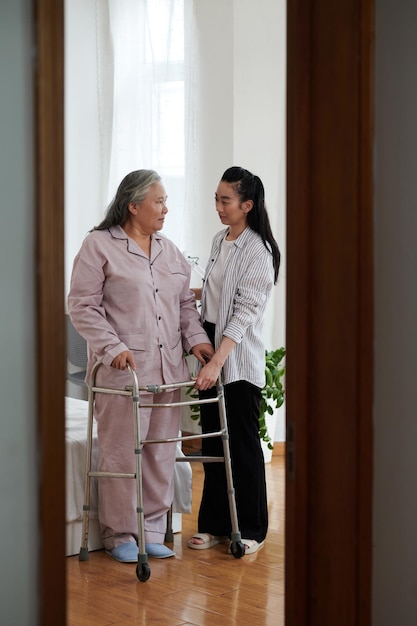
Targeted care can speed up your recovery and help you regain independence.
Coordination of In-Home Physiotherapy
Why is in-home physiotherapy beneficial? It’s about receiving therapy tailored to your lifestyle and environment. This personalized approach can enhance mobility and strength, helping you regain independence at your own pace.
Having a physiotherapist come to your home means exercises are designed with your daily life in mind. It’s an effective way to integrate physical rehabilitation into your routine, making progress tangible. Explore more about in-home care options here.
Benefits of Occupational Therapy at Home
Occupational therapy at home focuses on improving your ability to perform everyday tasks. It’s not just about recovery; it’s about enhancing your quality of life. Therapists work with you to adapt your environment and activities, making daily living easier.
With this support, tasks that seemed daunting become manageable, paving the way for a more independent lifestyle.
Culturally Sensitive Care in London, Ontario
How important is it that your care respects your culture? Culturally sensitive care ensures your values and traditions are honored. This type of care respects your background and integrates cultural understanding into your recovery process.
In London, Ontario, services like these can make a profound difference. They provide not just medical support, but emotional and cultural comfort, fostering a healing environment. Learn more about culturally responsive support here.
In summary, a personalized care plan is your roadmap to recovery, ensuring your journey from hospital to home is smooth and supported. With the right elements in place, you’re set for a confident transition to healing at home.