
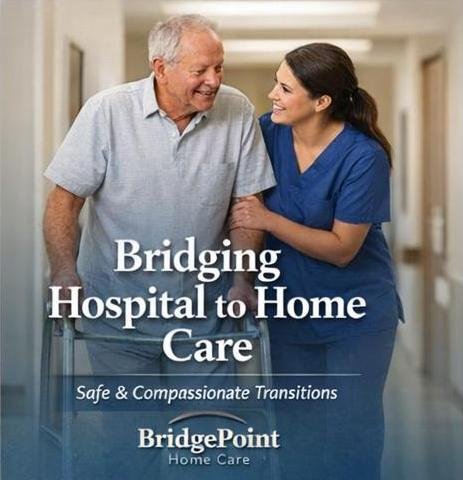
From Hospital to Home: What Personalized Post-Discharge Care Includes
Leaving the hospital is just the first step toward recovery, but navigating what comes next can feel overwhelming. Post-discharge home care offers more than basic support—it creates a personalized care plan tailored to your unique needs. In this guide, you’ll learn how hospital to home care in London, Ontario ensures a safe, confident transition with skilled nursing, rehabilitation, and ongoing support designed around you. Learn more about personalized post-discharge home care options.
Comprehensive Post-Discharge Home Care

Personalized Care Plans for Recovery
Every recovery journey is different, which is why personalized care plans are vital. They focus on your unique needs, ensuring a smoother transition from hospital to home. These plans are like having a roadmap tailored just for you, guiding your recovery with confidence.
Your care plan might involve setting goals for daily activities or scheduling regular check-ins with healthcare professionals. These plans help you regain independence at your pace. This personalized approach means you’re not navigating recovery alone; there’s always a team ready to support you every step of the way.
Skilled Nursing and Medical Services
Having skilled nursing care at home provides peace of mind, knowing medical needs are managed by professionals. Nurses can assist with medication management at home, wound care, and monitor vital signs, ensuring you’re on the right path to recovery.
Imagine having a professional nurse visiting you regularly. They provide support, answer questions, and offer medical assistance. This service isn’t just about care; it’s about feeling safe and supported in your own home environment.
Fall Prevention and Home Safety
Home safety is crucial, especially after a hospital stay. Fall prevention measures can be implemented to reduce risks, making your home a safer place. This involves assessing your living space and making necessary adjustments.
Think of home safety assessments as a fresh pair of eyes. They might suggest removing clutter, adding grab bars, or rearranging furniture. Such changes ensure your home supports your recovery, reducing the likelihood of accidents and offering reassurance to both you and your loved ones.
Rehabilitation and Therapy Support

Physiotherapy and Occupational Therapy at Home
Rehabilitation doesn’t stop at the hospital door. Physiotherapy and occupational therapy at home can be tailored to your needs, promoting recovery in a familiar setting. It’s about regaining strength and enhancing daily functionality.
Imagine therapists coming to your home, guiding you through exercises or activities that improve your mobility. They help adjust routines to support your recovery, making everyday tasks feel less daunting. This personalized attention accelerates progress, making recovery a part of your daily life.
Pain and Symptom Management Strategies
Managing pain and symptoms effectively can significantly impact your recovery speed. Strategies are devised that help manage discomfort, ensuring you’re comfortable and supported throughout the healing process.
Think of these strategies as your toolkit for recovery. Whether it’s through medication or holistic approaches, these methods help you feel better, allowing you to focus on healing. Effective management can transform a challenging recovery into a more bearable journey.
Daily Living Assistance
Daily living assistance can greatly enhance your quality of life during recovery. This support includes help with personal care, meal preparation, or even light housekeeping. It’s about making daily tasks manageable again.
Imagine having someone to assist with cooking or personal hygiene. This support not only aids recovery but also restores a sense of normalcy to your life. It’s the little things that make a big difference, ensuring you feel well-cared for and less stressed about daily routines.
Coordinated Care and Family Support
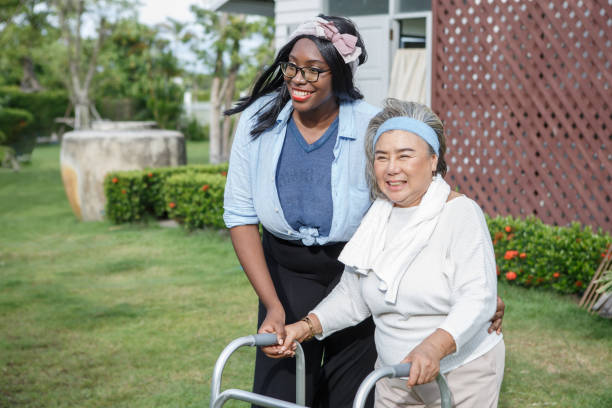
Care Coordination and Communication
Effective communication is key to seamless care coordination. Ensuring all healthcare providers are on the same page enhances your care experience and prevents any gaps in service.
Picture a team working together for your well-being. Regular updates and open lines of communication mean everyone knows your progress, making your care more efficient and cohesive. This coordination is vital for a successful recovery journey.
Respite Care Options for Families
Families play a crucial role in recovery, but they need support too. Respite care offers families a chance to rest and recharge, knowing their loved one is in capable hands.
Consider respite care as a relief valve for families. It provides temporary relief, allowing caregivers to take care of themselves, which ultimately benefits everyone involved. This balance ensures families can continue offering support without becoming overwhelmed.
Pediatric and Senior Home Care Services
Whether it’s pediatric or senior care, specialized services cater to specific needs, ensuring comprehensive support. These services focus on providing age-appropriate care, enhancing comfort and recovery.
For children, it might mean integrating care into play. For seniors, it could involve focusing on mobility and independence. Such tailored approaches ensure every age group receives the specific support they need, fostering a nurturing environment for all.
In conclusion, transitioning from hospital to home involves more than just physical recovery. It’s about creating a supportive environment that promotes healing and independence. BridgePoint Home Care is here to guide you through this journey, offering personalized care that’s as unique as you are.