
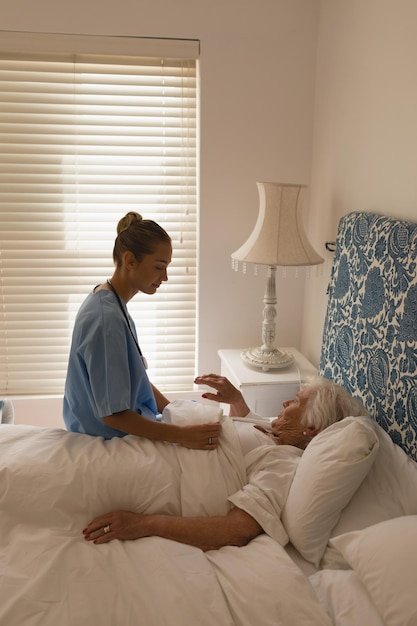
Leaving the hospital can feel overwhelming when faced with managing your care at home. Skilled nursing at home offers the support you need to recover safely and confidently. In this guide, you’ll learn exactly what to expect during your post-discharge care and how BridgePoint Home Care Inc. can help you create a personalized plan for a smooth hospital to home transition.
Understanding Skilled Nursing at Home
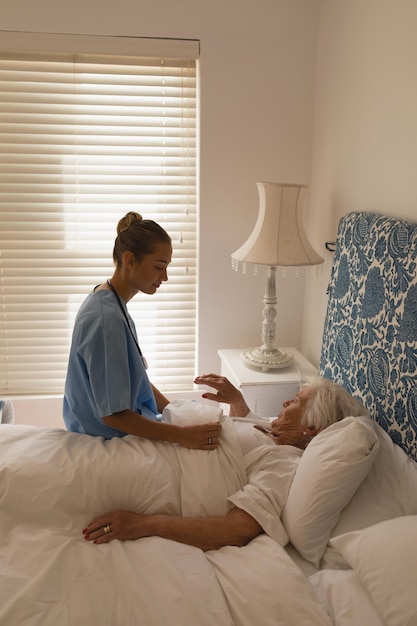
Imagine returning home, where comfort surrounds you, yet the challenge of recovery still looms. Skilled nursing at home bridges this gap, providing essential care right at your doorstep.
Key Components of Home Care
What makes home care so effective? It’s the combination of medical support and compassion. With skilled nursing, you receive help tailored to your needs. Nurses manage your medications, monitor vital signs, and offer wound care. This personalized approach ensures that you heal in the most comfortable environment: your home.
You might wonder how this differs from hospital care. At home, the focus shifts to your unique pace and comfort. This transition fosters a sense of normalcy, crucial for recovery. Plus, with professionals guiding your care, you maintain the support and oversight that a clinical setting provides.
Benefits of Post-Discharge Support
Why is post-discharge support critical? It reduces readmissions. Studies show that patients with proper home care are 50% less likely to return to the hospital. This continuity of care helps you regain independence faster. By having a nurse assist with daily tasks, you focus on healing instead of worrying.
But there’s more to it. Skilled nursing gives families peace of mind. Knowing a professional is managing medical needs allows everyone to relax. This is especially vital for families with young children or elderly members who need extra support.
Choosing the Right Care Plan
Selecting a care plan doesn’t have to be daunting. Start by assessing your specific needs. Do you require daily visits or weekly check-ins? Consider what makes you comfortable. Some prefer frequent visits, while others value privacy.
Remember, the right plan aligns with your lifestyle. It should also adapt as your recovery progresses. Communication is key here. Discuss with your provider the level of involvement you expect. A plan that’s flexible ensures you’re always getting the care you need.
Transitioning from Hospital to Home

Transitioning from hospital to home involves several steps. Understanding each phase helps reduce anxiety and ensures a smoother recovery journey.
Step-by-Step Transition Planning
Planning your transition is crucial. Start by discussing your discharge instructions with your doctor. This conversation sets the stage for a successful homecoming. Next, coordinate with your home care provider. Make sure they understand your medical history and any specific needs.
Here’s a simple checklist to follow:
-
Confirm all medications are ready for home use.
-
Ensure necessary medical equipment is set up.
-
Schedule your first home care visit.
-
Arrange transportation from the hospital.
These steps might seem straightforward, but they significantly impact how well your transition unfolds. Take each one seriously to ensure a smooth process.
First Week Home Care Essentials
The first week is the most critical. Close monitoring helps prevent complications. Your home nurse will likely focus on wound care and symptom management. They’ll check vital signs regularly, offering reassurance and immediate intervention if needed.
Expect to have daily interactions with your nurse. These visits allow you to discuss any concerns and adjust care as needed. It’s also a time for family members to learn about providing additional support. Families play a vital role during this time, ensuring that the patient adheres to a recovery plan.
Coordinating with Healthcare Providers
Coordination among your healthcare team is essential. Your home nurse will communicate with your doctor to update them on your progress. This collaboration ensures any changes in your condition are addressed promptly.
Technology can help here. Many services offer online platforms where updates are shared with all involved parties. This transparency keeps everyone informed and aligned with your recovery goals. It’s not just about medical updates, but also about fostering a team dedicated to your well-being.
Personalized Care and Support Services

Once home, personalized care becomes your recovery’s cornerstone. It’s about more than medical interventions; it’s a holistic approach to well-being.
Medication and Symptom Management
Managing medication at home is crucial. Home nurses ensure you understand each prescription. They monitor reactions and adjust dosages if necessary. This level of oversight prevents complications and promotes healing.
Sometimes, managing symptoms can be daunting. With professional guidance, you’re not alone. Nurses provide strategies for pain management and emotional support. This comprehensive care enhances your comfort and confidence.
Wound and Post-Surgical Care
Post-surgical care requires expert attention. Skilled nurses are trained to handle complex wound care. They ensure dressings are changed correctly and monitor for signs of infection. This vigilance is key in preventing complications.
But it’s not just about wounds. Recovery involves regaining strength. Nurses assist with exercises tailored to your needs, helping you rebuild mobility and independence safely.
Caregiver Education and Safety Tips
Caregiver support is an often-overlooked aspect of home care. Educating family members empowers them to assist effectively. Your nurse will provide safety tips and demonstrate how to handle medical tasks confidently.
Safety at home is paramount. Simple adjustments, like removing rugs or installing grab bars, prevent falls. These proactive measures create a safer environment, promoting recovery without setbacks.
In conclusion, skilled nursing at home transforms your recovery into a personalized journey. It combines professional care with the comfort of being at home, ensuring you heal with dignity and confidence. As you embrace this new chapter, remember that expert support is always within reach, guiding you towards renewed independence and well-being.