
Leaving the hospital is a hopeful step, but the process of settling into post-discharge recovery at home in London, Ontario can feel overwhelming. You need a clear plan to prepare your home, manage medications, and coordinate skilled nursing support to avoid setbacks. This guide will walk you through practical steps to make your hospital to home transition safer and smoother, with trusted partners ready to support your healing every step of the way.
Preparing Your Home for Recovery
Creating a safe and supportive home environment is crucial for smooth recovery. Begin by focusing on safety and comfort to ease the transition.
Conducting a Home Safety Assessment
Start by examining your home for potential hazards. Ensure walkways are clear to prevent falls. Remove loose rugs and cords. Install grab bars in bathrooms. This proactive approach reduces the risk of accidents, offering peace of mind.
Setting Up a Recovery-Friendly Environment
Arrange furniture to allow easy movement. Consider placing essential items within arm’s reach. A comfortable chair and ample lighting make a big difference. These small changes create a welcoming space that aids both physical and emotional recovery.
Essential Supplies and Equipment
Stock up on necessary supplies. This includes medical aids such as a walker or shower chair if needed. Keep first-aid kits and emergency contacts accessible. Being prepared with the right equipment can make everyday tasks more manageable.
Coordinating Care and Support

A well-coordinated care plan ensures continuity between hospital and home. It connects you with the right resources for a smoother recovery process.
Personalized Care Plans
Each recovery journey is unique. A tailored care plan considers your specific needs and goals. This personalized approach not only supports your medical needs but also enhances independence and confidence at home.
Skilled Nursing at Home
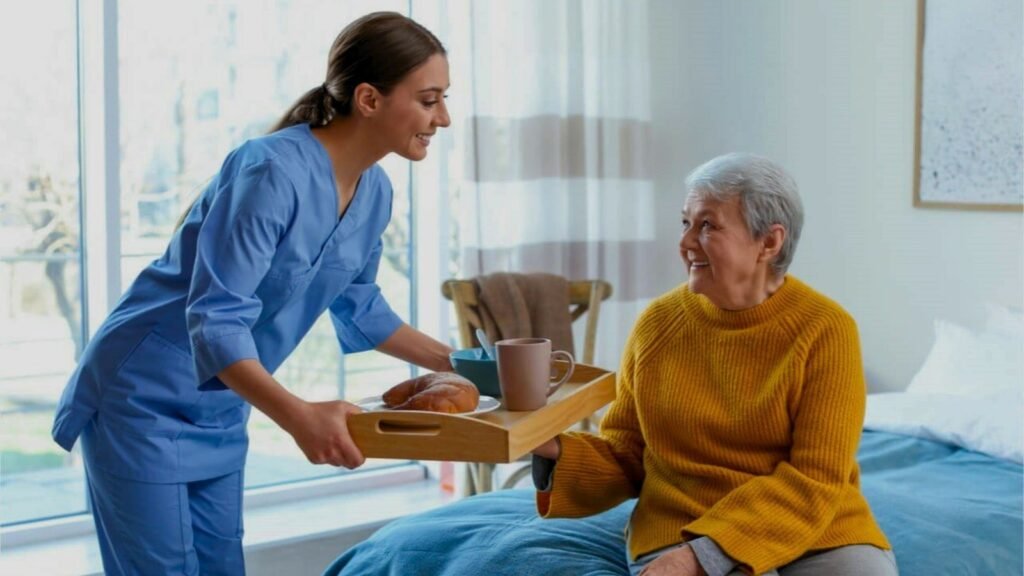
Professional nursing care bridges the gap between hospital and home. Skilled nurses provide medical care, monitor your progress, and adjust your care plan as needed. This expertise ensures you receive the necessary support for a full recovery.
Medication Management and Wound Care
Proper medication management is crucial. Organize medications to avoid missed doses. A nurse can assist with wound care, ensuring proper healing. These steps prevent complications and promote recovery.
Reducing Readmission Risks
Minimizing the risk of returning to the hospital is a priority. Focus on prevention and proactive care to stay on track.
Effective Fall Prevention
Falls are a common cause of readmission. Implement fall prevention measures such as non-slip mats and adequate lighting. These simple precautions can significantly reduce the risk of falls.
Comprehensive Family Respite Services
Family caregivers need support too. Respite services offer relief, allowing caregivers to recharge. This ensures they can continue providing quality care without burnout.
Engaging Professional Caregiver Support
Professional caregivers offer additional support. They assist with daily activities and monitor your health. Their presence ensures you receive consistent care, further lowering the risk of complications.
Frequently Asked Questions
What is a home safety assessment?
A home safety assessment involves checking your home for potential hazards like loose rugs and ensuring all walkways are clear to prevent falls.
How do I manage medications at home?
Organize your medications using a pillbox and set reminders. Consider having a nurse assist with management to ensure proper dosing.
Why is personalized care important?
Personalized care plans are tailored to your unique needs and goals, enhancing recovery by focusing on what matters most to you.
How can professional caregivers help?
Professional caregivers support daily activities, monitor health, and provide consistent care, reducing the risk of readmission.
What are family respite services?
Respite services offer caregivers a break, ensuring they remain healthy and able to provide quality care to their loved ones.