
Mental Health Support at Home: Building Routines for Recovery and Dignity
Building a steady daily routine can make all the difference when managing mental health challenges at home. When you focus on consistent habits, recovery feels more manageable, and dignity stays front and center. At BridgePoint Home Care, we specialize in mental health home care tailored to your unique needs, offering support that helps you regain stability without leaving the comfort of your home. Ready to find out how a personalized routine can support your recovery? Learn more here.
Building Routines for Mental Health
Importance of Daily Structures
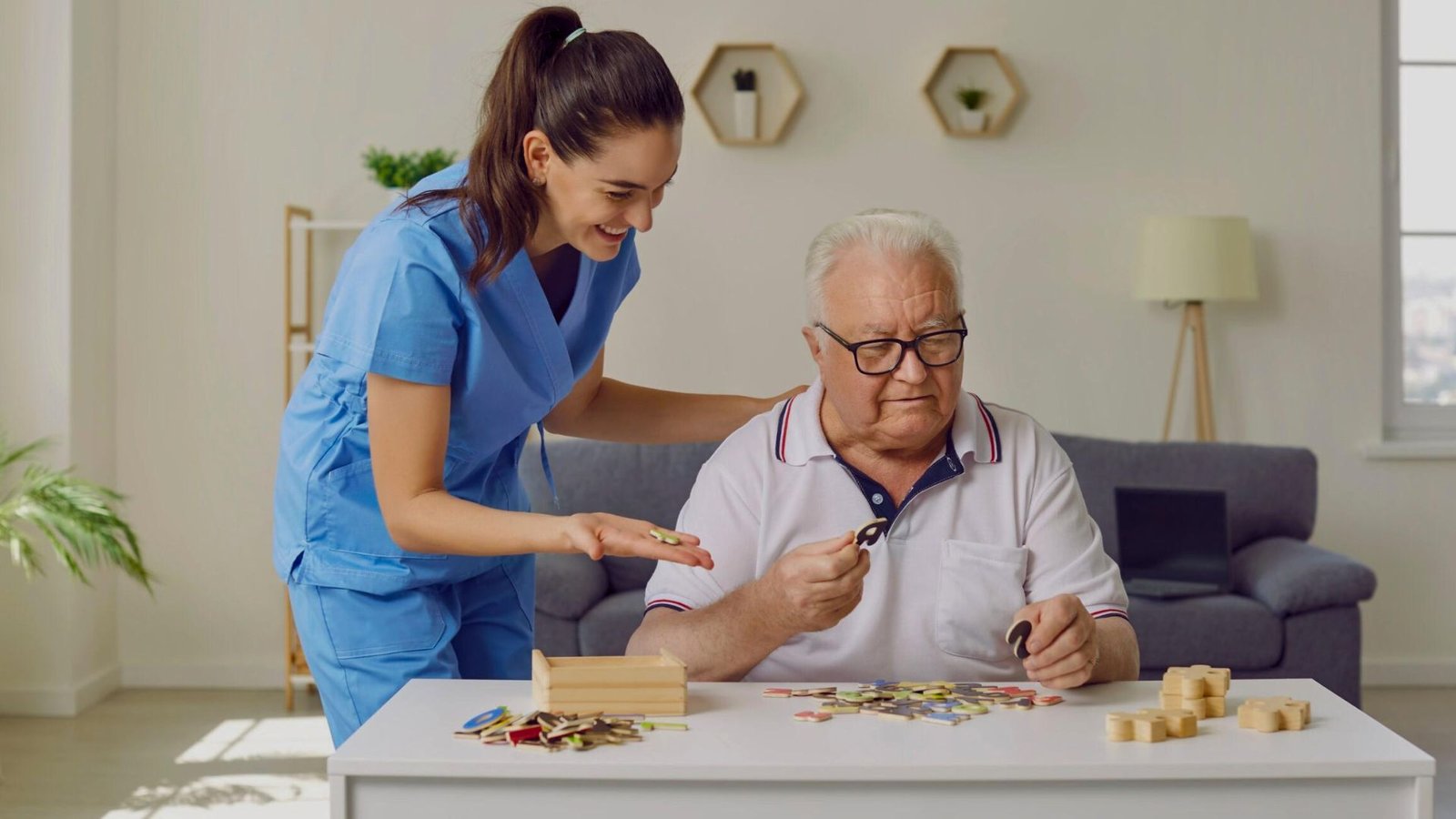
Creating daily structures is like giving your day a roadmap. It helps you know where you’re headed and what to expect. Having a clear plan can make everything feel less overwhelming and more achievable. This is especially true when you’re managing mental health at home. By sticking to a routine, you build a sense of normalcy and control, even when things feel out of sorts.
Personalized Routine Planning
Imagine your daily routine as a custom-fit suit, perfectly designed to suit your needs. With personalized routine planning, you focus on activities that promote wellness. Think about what makes you feel grounded. Is it a morning walk or a quiet cup of tea? Maybe it’s setting small goals for the day. By tailoring your schedule, you ensure it serves you best, supporting your journey to recovery.
Here’s the key insight: small, consistent actions add up. You don’t need to overhaul your entire day. Start with one or two changes, like setting a regular wake-up time or dedicating a few minutes to mindfulness. Over time, these small steps can lead to significant improvements in how you feel and cope.
Home-Based Support Strategies
Coping Strategies at Home
Let’s face it, managing mental health at home can be tricky. But with the right strategies, you can create an environment that supports healing. One effective approach is to establish coping strategies tailored to your needs. These might include relaxation techniques, like deep breathing or simple exercises to release stress.
Another technique is to create a comforting space in your home. This could be a cozy corner with your favorite books or a quiet room where you can meditate. Having a go-to spot can make a big difference on tough days. It’s not just about physical space, though. Engaging in activities that bring you joy, like crafting or listening to music, can also be powerful coping tools.
Most people think they need complex solutions, but often, it’s the simple, consistent practices that offer the most relief. Explore more strategies here.
Emotional Safety at Home
Feeling safe at home isn’t just about locks on the door; it’s about emotional safety too. Creating an emotionally secure environment means having the freedom to express feelings without fear. You might start by having open conversations with family members about your needs and boundaries.
Consider setting up routines that promote a peaceful atmosphere. This might include regular family dinners or dedicated time to unwind together. Simple acts, like sharing highlights of your day or playing a game, can strengthen emotional bonds.
Here’s a surprising truth: emotional safety often begins with self-care. When you prioritize your well-being, it sets a precedent for others. By valuing your mental health, you encourage a culture of understanding and support at home. Read more about creating safe spaces at home.
Collaborative Care and Community Engagement

Family Caregiver Support
Being a caregiver is rewarding but challenging. Family caregivers often juggle many roles, sometimes at the expense of their own well-being. At BridgePoint Home Care, we understand the importance of support for these unsung heroes. By offering guidance and respite care, we help caregivers recharge.
It’s important to include caregivers in discussions about personalized care plans. They are crucial in ensuring continuity and understanding of the patient’s needs. Simple actions like regular check-ins and shared resources can make a world of difference. Most people believe they have to manage alone, but support is just a conversation away.
Consider this: taking time for self-care can enhance your ability to care for others. It’s not selfish; it’s necessary. Explore caregiver support options here.
Community-Based Support in London Ontario
Being part of a community offers more than just help; it provides a sense of belonging. In London, Ontario, community-based support is vital for those navigating mental health challenges. Whether it’s connecting with local groups or accessing our services, community involvement can boost morale and recovery.
Participating in community activities helps break the isolation many feel. Volunteering, attending events, or joining support groups can open doors to new friendships and shared understanding. Moreover, community resources often offer educational workshops and support networks tailored to mental health needs.
Most people think they have to go it alone, but reaching out can lead to meaningful connections and support. Discover how community engagement can be a positive force in your recovery journey. Learn about local support services.
By focusing on structured routines, home-based strategies, and community involvement, you can create a supportive environment conducive to mental health recovery. At BridgePoint Home Care, we’re here to guide you every step of the way, ensuring that you or your loved ones receive compassionate and personalized care tailored to your unique journey.