
Preparing a Safe Home After Hospital Discharge: Your Step-by-Step Guide
Leaving the hospital is just the first step in your recovery. Your home needs to be a safe place where healing can continue without added risks. This guide walks you through key steps to prepare your space, covering everything from fall prevention at home to medication management at home. Let’s make sure your transition from hospital to home supports your comfort and independence. For more detailed tips, you can visit this resource.
Ensuring Home Safety Post-Discharge
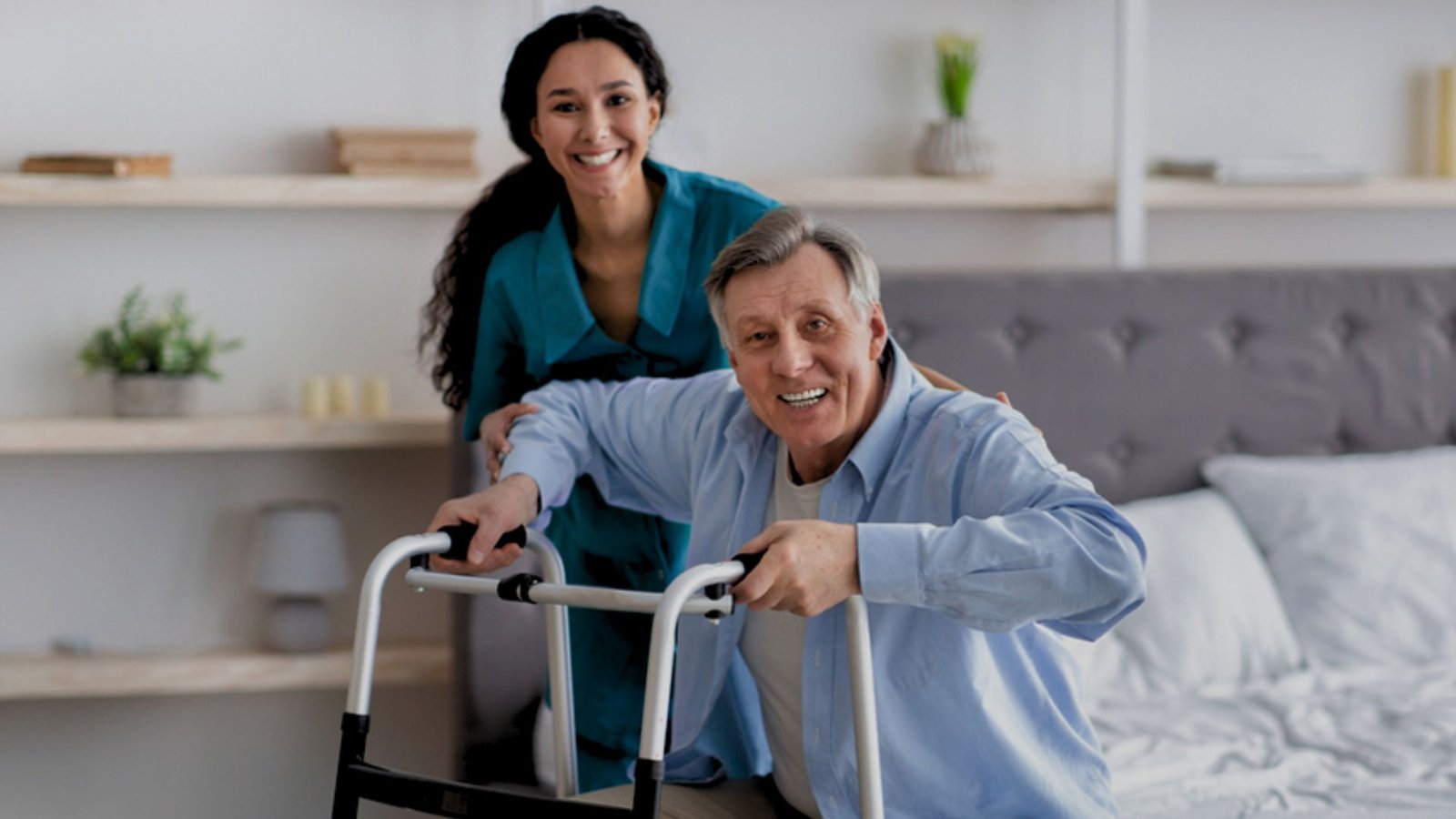
Creating a safe home environment is essential to support your recovery journey. By taking proactive steps, you can reduce risks and promote healing in the comfort of your home.
Creating a Home Safety Checklist
Start by developing a comprehensive home safety checklist. This tool will help identify potential hazards and keep your living space secure. Begin by examining high-traffic areas like hallways and staircases for obstacles or clutter. Ensure that lighting is adequate to prevent accidents. Include the installation of smoke detectors and carbon monoxide alarms in your checklist. Regularly check that these devices are functioning correctly.
Pay attention to bathroom safety. Consider non-slip mats and grab bars to reduce fall risks. In the kitchen, ensure that fire extinguishers are accessible and that hazardous items are stored safely. This checklist will serve as a crucial guide to maintain your home’s safety. For more ideas, explore this helpful resource.
Fall Prevention Strategies
Did you know that falls are a leading cause of injury after hospital discharge? Implementing effective fall prevention at home strategies can make a significant difference. Start by removing throw rugs or securing them with non-slip pads to prevent tripping. Consider rearranging furniture to create clear pathways.
Proper footwear is key. Encourage wearing shoes with non-slip soles. Adding handrails in stairways and using a sturdy chair to reach high shelves can also help. Remember, a simple change can prevent a serious injury. Explore more fall prevention tips here.
Medication Management at Home
Managing medications can be daunting, but a well-organized system can ease this burden. First, create a medication schedule. Use a chart or app to track doses and times. Keep medications in a dedicated, easily accessible spot. Consider using a pill organizer to sort daily doses and reduce confusion.
Communication is crucial. Share this schedule with family members or caregivers to ensure consistency. Regularly review medications with your healthcare provider to avoid interactions or redundancies. By streamlining medication management, you can focus on recovery without added stress. For additional guidance, check this resource.
Building a Supportive Home Environment

Beyond safety, a supportive home environment nurtures recovery and independence. With the right resources, you can create a haven that promotes healing and comfort.
Importance of Skilled Nursing at Home
Skilled nursing at home is instrumental in providing professional medical care. A qualified nurse can assist with wound care, monitor vital signs, and manage medical equipment. This support ensures that your recovery stays on track. Skilled nursing offers peace of mind, knowing that expert help is readily available.
Having a nurse at home can also alleviate the burden on family members, allowing them to focus on providing emotional support. By integrating skilled nursing into your care plan, you enhance your healing process while maintaining your independence. Learn more about skilled nursing services here.
Effective Wound Care Practices
Proper wound care is crucial for preventing infection and promoting healing. It involves regular cleaning and dressing changes. Keep wound care supplies organized and within reach. Follow your healthcare provider’s instructions closely, and do not hesitate to ask questions if unsure.
A clean, sterile environment is essential. Ensure that hands are washed before and after wound care. If you notice any signs of infection, such as redness, swelling, or unusual discharge, contact your healthcare provider promptly. Effective wound care practices are your first line of defense in recovery.
Mobility Support and Equipment
Mobility support is vital in maintaining your independence and confidence at home. Consider investing in mobility aids such as walkers or canes. These tools can help prevent falls and make moving around easier.
If stairs are a challenge, explore options like stairlifts or ramps. These can make your home more accessible and reduce the risk of injury. Remember, the right equipment can empower you to navigate your space safely and comfortably. Discuss mobility needs with your healthcare provider to tailor the best solutions for your situation.
Partnering with BridgePoint Home Care
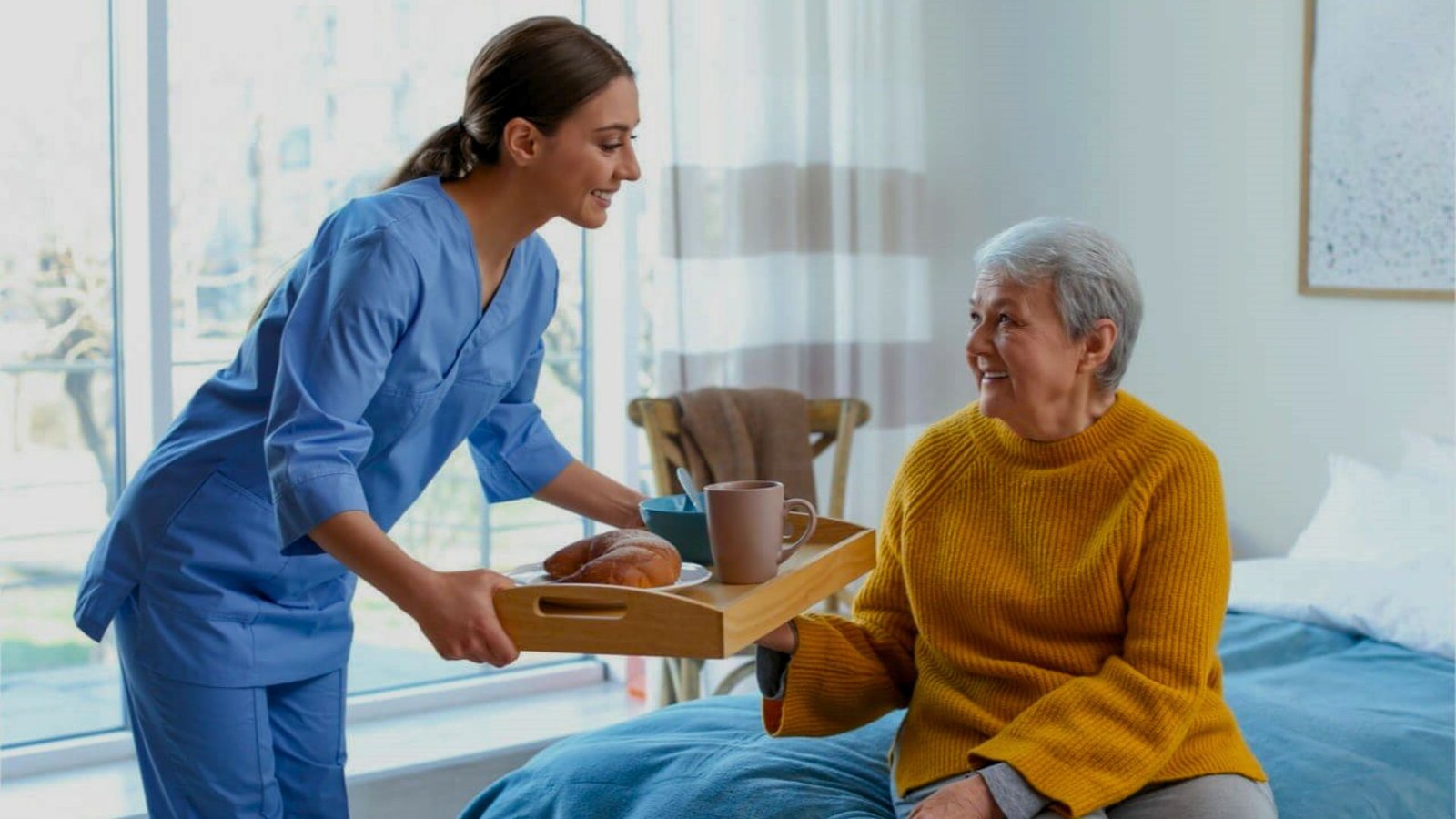
Choosing the right partner for your post-discharge journey makes all the difference. BridgePoint Home Care is dedicated to providing personalized care that meets your unique needs.
Personalized Care Transition Planning
BridgePoint Home Care specializes in care transition planning. We understand that each recovery journey is unique, so we tailor our services to meet your specific needs. Our team collaborates with healthcare providers to ensure a seamless transition from hospital to home. We offer guidance on home modifications and support systems that enhance your living environment.
Our goal is to empower you with the tools and knowledge needed for a successful recovery. BridgePoint’s approach ensures that you receive comprehensive care tailored to your journey.
Complimentary Home Safety Assessment
One of our key offerings is a complimentary home safety assessment. Our skilled professionals assess your living space to identify potential risks and recommend improvements. This proactive step helps prevent accidents and ensures your home is a safe haven for recovery.
We address areas such as lighting, flooring, and furniture placement. Our team provides practical solutions that enhance safety without compromising comfort. By prioritizing a safe environment, we support your journey to independence.
Comprehensive Caregiver Support Programs
BridgePoint Home Care recognizes the vital role caregivers play in your recovery. Our comprehensive caregiver support programs offer resources and training to ease this responsibility. We provide tools and education to help caregivers manage daily tasks, medication, and emotional support.
Our programs are designed to build confidence and reduce stress for both caregivers and clients. By partnering with BridgePoint, you gain access to a network of support that fosters healing and well-being. Discover how we can make your post-discharge journey smoother and more comfortable.
In conclusion, preparing your home post-discharge involves creating a safe, supportive environment that facilitates recovery and independence. BridgePoint Home Care is here to guide you every step of the way, ensuring your journey from hospital to home is as seamless as possible.