
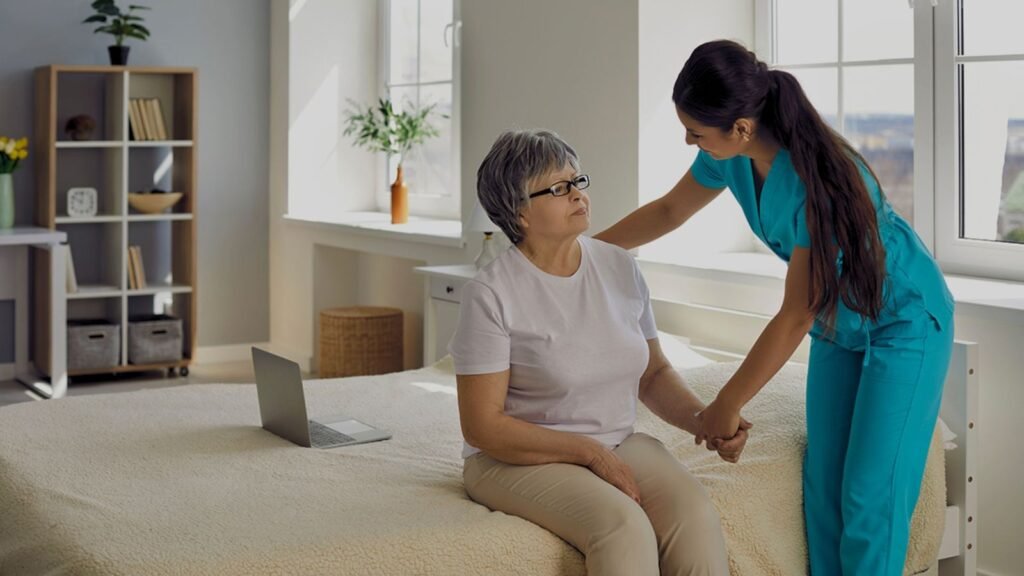
Preparing Your Home for Recovery After Hospital Discharge: A Practical Guide
Most hospital discharges leave families scrambling to prepare a safe home for recovery. Without a clear hospital discharge home checklist, crucial steps can be missed, putting healing and independence at risk. This guide offers practical, easy-to-follow advice for post-hospital recovery at home, helping you create a secure environment that supports your well-being and peace of mind. For more information, you can also check this discharge planning guide.
Creating a Safe Recovery Space
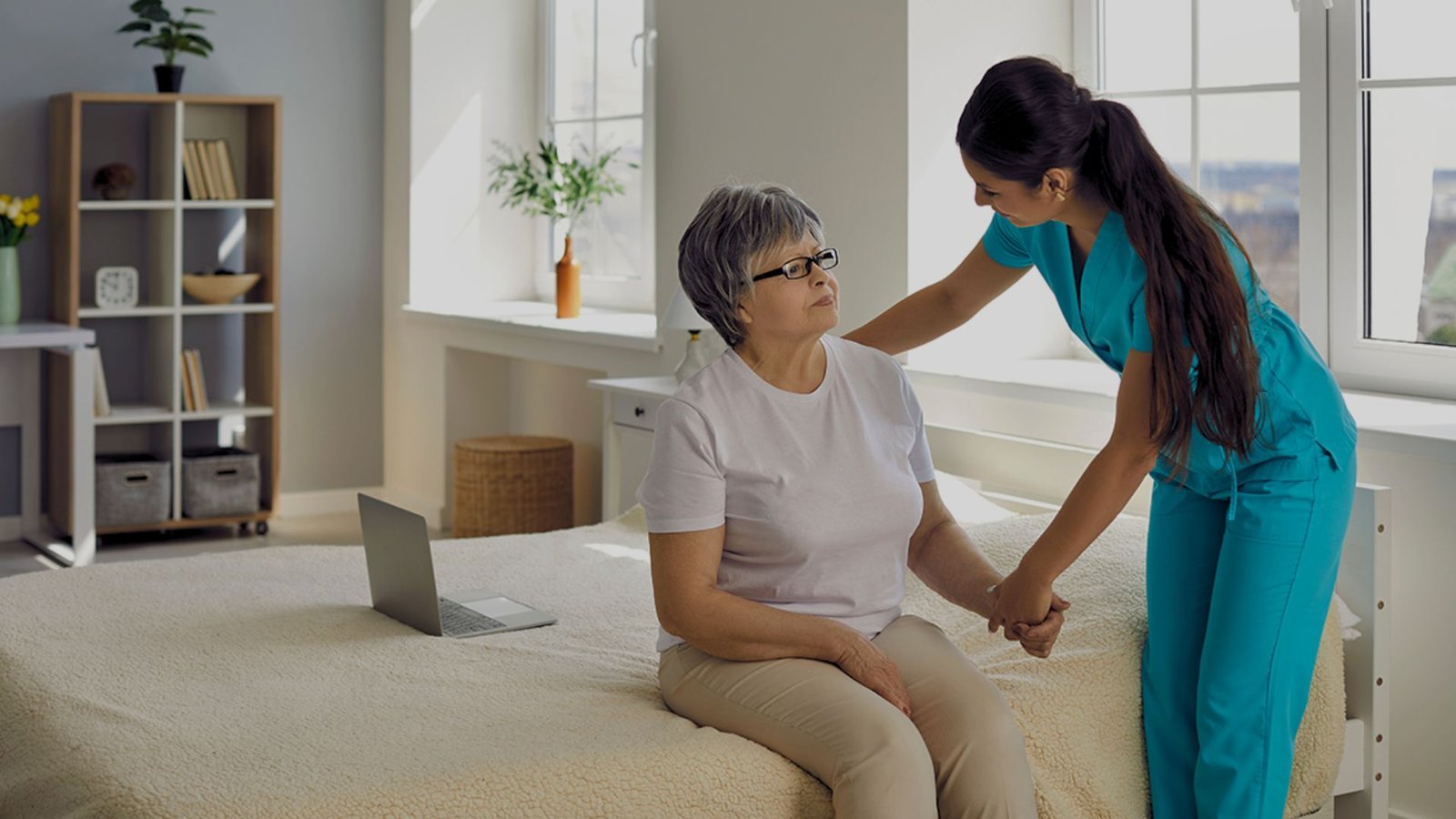
Creating a safe recovery space at home can make all the difference in your healing journey. It starts with a simple checklist.
Hospital Discharge Home Checklist
When you’re preparing for a loved one to come home from the hospital, having a checklist is crucial. Start by gathering important documents and instructions from the medical team. List out any equipment or supplies you need to rent or purchase. Make sure to arrange transportation ahead of time.
Next, consider the living space. Remove clutter and ensure there’s a clear path for walking. You might need to rearrange furniture to accommodate mobility aids like walkers or wheelchairs. Always check that lighting is adequate, especially at night. Don’t forget to stock the kitchen with easy-to-prepare meals and snacks that meet dietary needs.
Finally, have a discussion about the discharge plan with family members or other caregivers. Having everyone on the same page can significantly ease the transition.
Home Safety Assessment Tips
Assessing the safety of your home is an ongoing task. Begin by conducting a thorough inspection of each room. Look for tripping hazards like loose rugs or electrical cords. Secure these immediately. If stairs are part of your home, ensure handrails are sturdy and that there’s non-slip tape on the steps.
In the bathroom, install grab bars and non-slip mats, as these are common spots for falls. Consider a shower chair if standing is difficult. Test smoke detectors and carbon monoxide alarms regularly.
Remember, most accidents happen in the home, but they are preventable with a little preparation. For further insights on home safety, explore this resource on preparing your home.
Fall Prevention at Home
Falls can be a major setback, but they are largely preventable. Start by ensuring flooring is even and free from obstacles. If possible, replace carpets with non-slip surfaces. Adequate lighting is key—use nightlights in hallways and bathrooms.
Consider mobility aids like canes or walkers if balance is an issue. These should be fitted by a professional to ensure proper support. Encourage the use of sturdy, supportive footwear inside the home.
Don’t overlook the benefits of regular exercise to improve strength and balance. Simple routines can be done at home under professional guidance. This proactive approach keeps you safe and independent longer.
Personalized Care Plan Essentials

Understanding the essentials of a personalized care plan can set you on the path to recovery. It’s more than just a plan; it’s a lifeline.
Importance of Medication Management at Home
Medication management is vital for a smooth recovery. Start by organizing medications in a pillbox labeled by day and time. This helps prevent missed doses or accidental double dosing.
Create a medication schedule and place it somewhere visible, like the refrigerator. Use reminders such as alarms on your phone to stay on track. Keep a list of all medications, including dosage and purpose, in case of doctor visits or emergencies.
Always consult with your healthcare provider about any new symptoms or side effects. Open communication ensures that your medication plan is effective and safe.
Skilled Nursing In-Home Support
Skilled nursing support at home offers peace of mind. Nurses can assist with wound care, monitor vital signs, and offer health education. This support is especially beneficial for those with complex medical needs.
Having a skilled nurse visit regularly allows for immediate adjustments to care plans as needed. They serve as a link between you and your healthcare provider, ensuring that any concerns are addressed promptly. This continuity of care plays a significant role in your overall well-being.
Caregiver Support London Ontario
Caregiving is demanding, but support is available. In London, Ontario, services offer respite for family members. This allows caregivers to take necessary breaks, reducing burnout.
Consider joining a local support group. Sharing experiences with others in similar situations can be incredibly uplifting and provide practical advice. Additionally, professional caregivers can step in to assist with daily tasks, allowing family members more quality time together.
Comprehensive Community-Based Home Care
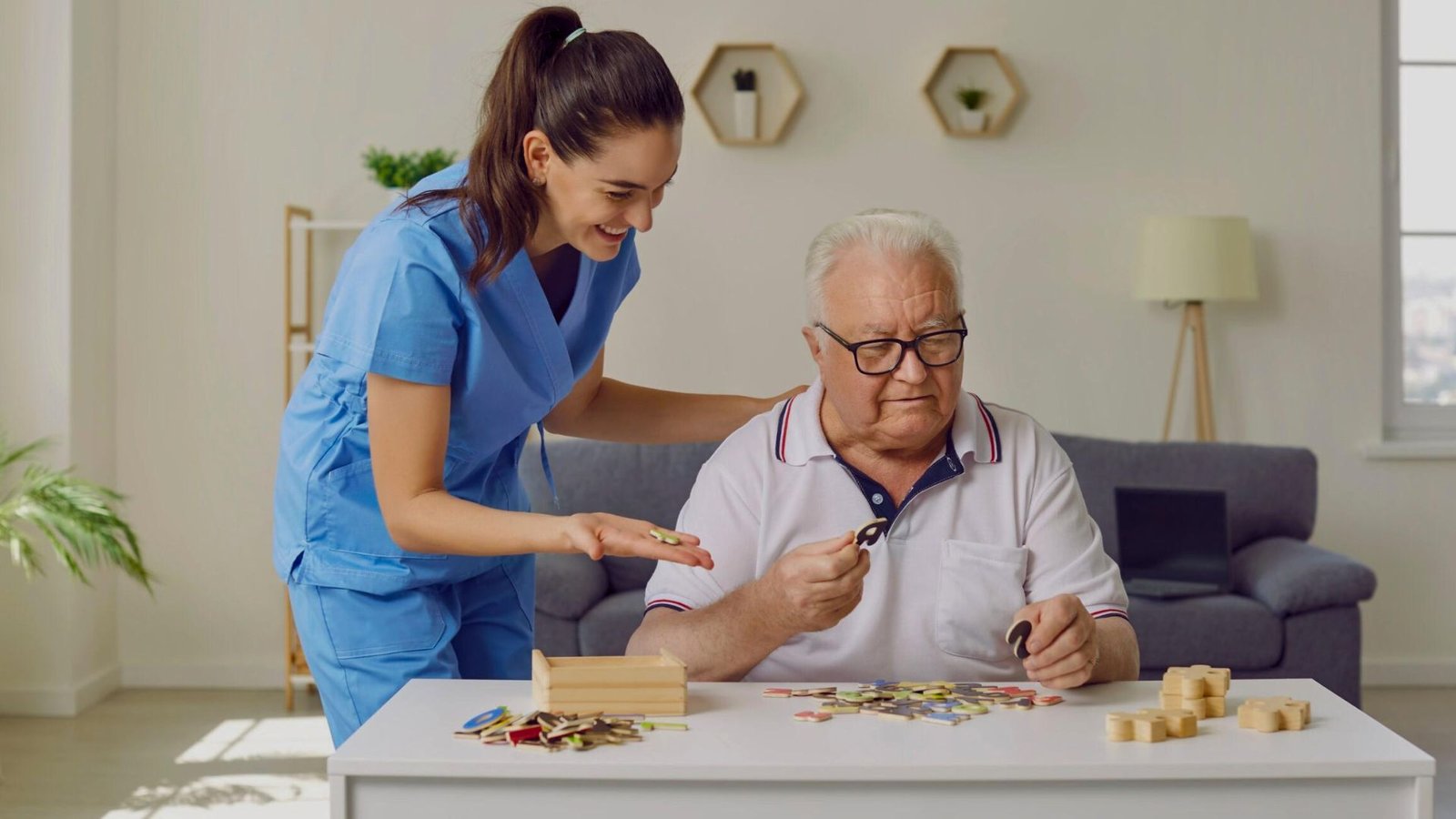
Community-based home care provides a bridge to independence. It’s about more than medical needs; it’s about holistic support.
Benefits of Post-Surgical Home Care
Post-surgical home care can significantly impact recovery speed. This service includes assistance with daily activities like bathing and dressing while ensuring that medical instructions are followed.
Having professionals to manage wound care and medication reduces the risk of complications. It allows you to focus on healing without the added stress of self-care tasks. This support fosters a quicker, more comfortable recovery in the familiar surroundings of your home.
Mental Health Home Support Options
Mental health is an integral part of recovery. Home support can provide structure and routine, essential for mental well-being. Services include therapy sessions, medication monitoring, and skills training, all tailored to individual needs.
Incorporating social activities is also encouraged, promoting engagement and combating isolation. With the right support, mental health challenges can be managed effectively, contributing to a balanced recovery process.
Indigenous-Informed Care and Youth Respite Services
Understanding cultural needs is vital in care. Indigenous-informed services respect values and traditions, promoting healing in a meaningful way. This approach builds trust and ensures care is culturally appropriate.
Youth respite services offer structured care for children requiring additional supervision. This not only supports the child’s development but also provides relief for families. These services are designed to integrate smoothly into daily life, promoting stability and well-being.
In conclusion, preparing for a safe recovery at home involves thoughtful planning and the right support. BridgePoint Home Care is here to assist every step of the way.