
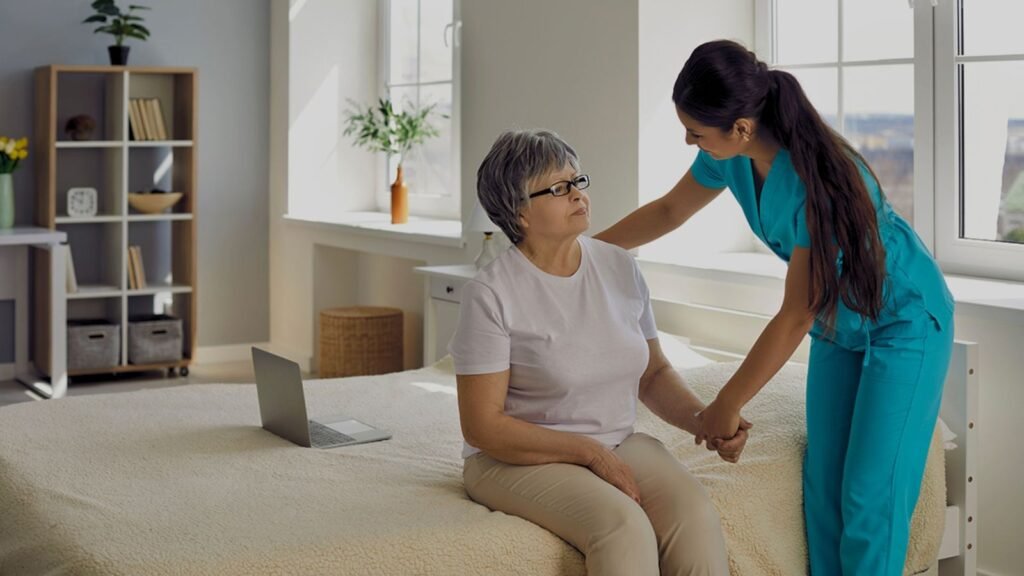
Most people think leaving the hospital means recovery happens on its own. The truth is, your home must be ready for your safe return to prevent setbacks and readmissions. This hospital-to-home transition in London, Ontario checklist guides you step-by-step to prepare your space, manage medications, and reduce fall risks, so you regain independence with confidence.
Preparing Your Home for Recovery
Ensuring a smooth transition from hospital to home requires careful preparation. By focusing on safety, medication, and fall prevention, you can create a supportive environment for your recovery journey.
Create a Home Safety Checklist
Begin with a home safety checklist to address potential hazards. Clear pathways by removing clutter or loose rugs that might pose a risk. Install grab bars in bathrooms and ensure adequate lighting throughout your home. Consider a home assessment by an occupational therapist to identify specific areas for improvement. This proactive step can significantly reduce the risk of accidents and enhance your confidence in moving around your home.
Safety also involves having emergency contacts easily accessible. Place a list of important numbers, like your healthcare provider and emergency services, near the phone or on the fridge. This small action can provide peace of mind and ensure help is just a call away if needed.
Fall Prevention at Home Tips
Falls are a common concern during recovery. To minimize this risk, wear non-slip footwear and keep frequently used items within easy reach. You may also benefit from an exercise routine recommended by a physiotherapist. Strengthening exercises can improve balance and coordination, reducing fall risks.
Regularly review your home’s layout. Ask yourself: Are there obstacles I frequently trip over? Could furniture be rearranged for smoother movement? These adjustments, though simple, make a significant difference in maintaining your safety.
Medication Management at Home
Managing medications correctly is crucial. Begin by organizing them using a pillbox or setting reminders on your phone. This ensures you take each dose as prescribed, preventing missed doses or overmedication.
Review your medications with your healthcare provider to understand each one’s purpose and potential side effects. Clear communication helps avoid complications and supports your recovery. Consider keeping a medication diary to track any side effects or concerns to discuss at your next appointment.
Engaging Transitional Care Services

Even with a well-prepared home, professional support can enhance recovery. Let’s explore how transitional care services can be a valuable part of your healing process.
Skilled Nursing and Wound Care
Skilled nursing care provides you with access to medical professionals who can monitor your health, manage complex medical needs, and assist with wound care. Having a nurse visit regularly ensures you receive professional assessments and timely interventions if issues arise. This service is particularly beneficial for those with surgical wounds or ongoing medical concerns.
Wound care at home might include dressing changes and monitoring for infection. By having expert care, you reduce the risk of complications and promote faster healing. Skilled nursing is a critical component of comprehensive home care services, designed to support your physical well-being.
Personalized Care Plan Benefits
A personalized care plan tailors services to your unique needs. This ensures that you receive not only medical care but also support for daily activities and emotional well-being. Personalized plans are developed in collaboration with you, your family, and healthcare providers, ensuring everyone is on the same page about your recovery goals.
The benefits of such customization include improved adherence to rehabilitation exercises and increased motivation. Knowing that your care aligns with your specific goals helps foster a sense of control and participation in your recovery process.
Readmission Prevention Strategies
Reducing the risk of readmission involves understanding potential triggers and implementing prevention strategies. Regular follow-ups with healthcare professionals can catch issues early. Moreover, having a clear plan for managing chronic conditions plays a critical role in staying healthy.
Education is key: make sure you understand your health conditions and the warning signs that might indicate a need for medical attention. By staying informed, you empower yourself to take proactive steps in managing your health, reducing the likelihood of hospital readmission.
Partnering with BridgePoint Home Care
To enhance your home-based recovery, consider partnering with BridgePoint Home Care. Our comprehensive services offer tailored support to meet your needs.
Culturally Sensitive Care Options
Culturally sensitive care respects your traditions and values. At BridgePoint, we believe understanding your cultural background enhances the quality of care. Our caregivers are trained to honor diverse practices, ensuring you receive respectful and personalized support.
This approach fosters a comfortable environment where you feel understood and valued, contributing to a more positive recovery experience. We aim to be more than just caregivers; we strive to connect with you on a personal, meaningful level.
Pediatric Home Care Services
For families with children, pediatric home care services offer specialized support. By focusing on both medical and developmental needs, we provide comprehensive care that helps your child thrive in a familiar environment. With services including family respite and school reintegration support, we work closely with you to maintain your child’s routines and promote growth.
Our team collaborates with families to develop strategies that support your child’s well-being, ensuring that their needs are met with compassion and professionalism.
Caregiver Support in London Ontario
Caring for a loved one can be overwhelming. Our caregiver support services in London, Ontario, provide relief and resources to assist you in this important role. From respite care to professional guidance, we offer solutions that help manage the demands of caregiving.
By supporting caregivers, we enhance the overall quality of care for your loved ones, allowing you to focus on meaningful interactions without being weighed down by stress. At BridgePoint, we are your partner in achieving a balanced, supportive caregiving experience.
In conclusion, preparing your home and engaging with professional services are crucial steps in ensuring a safe and successful transition from hospital to home. By taking these steps, you set the stage for a confident, empowered recovery.