Leaving the hospital is a big step, but the path home can feel overwhelming without the right support. Skilled nursing at home offers a clear plan to help you recover safely, managing everything from medication to wound care. In this post, you’ll learn what post-discharge recovery looks like with BridgePoint Home Care in London, Ontario, so you can feel confident and cared for every step of the way.
Understanding Skilled Nursing at Home
When you leave the hospital, having the right support at home is crucial. Skilled nursing at home provides this essential care, ensuring a smooth recovery.
Key Elements of Post-Discharge Care
Skilled nursing at home includes personalized support to help you recover. Nurses manage tasks like wound care, medication, and vital signs monitoring at home. They pay close attention to your needs, helping you heal safely. Each patient’s requirements are different, so care is tailored to support your unique health goals.
With a focus on recovery, nurses can also assist with IV therapy at home and catheter care at home. These services ensure proper management of your health condition, minimizing complications. Having professionals handle these aspects means you can focus on regaining strength and independence.
Importance of Personalized Care Plans
Every recovery journey is different. Personalized care plans are crafted to match your specific medical history and lifestyle. This customized approach ensures that the care you receive is both effective and respectful of your preferences. You’re not just a patient; you’re a person with unique needs and goals.
Care plans often involve collaboration with family members and other healthcare providers. This team effort ensures comprehensive support, helping you feel cared for at every stage. With a plan in place, you can have peace of mind knowing that your recovery is in capable hands.
Safe Transition from Hospital to Home
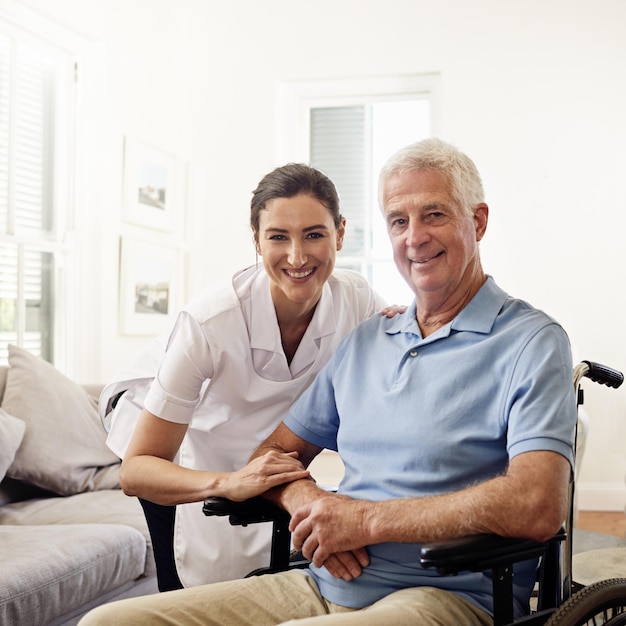
Moving from the hospital to home can be a daunting process. Skilled nursing helps make this transition safe and seamless.
Medication and Wound Care at Home
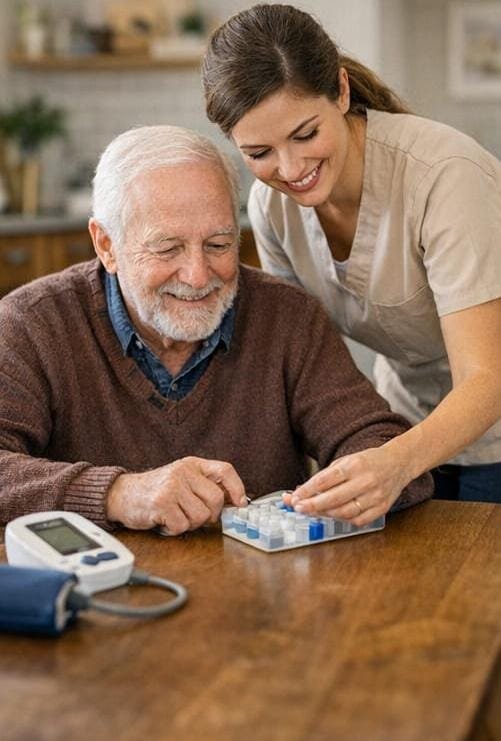
Proper medication management is key to recovery. Nurses ensure you take the right dosages at the right times, reducing the risk of complications. They also handle wound care at home, promoting healing and preventing infections. With their expertise, you avoid common pitfalls that can delay recovery.
Addressing wounds requires careful attention. Professionals know how to keep your injuries clean and dressed. They also educate you on how to care for wounds when they’re not around. This knowledge empowers you to participate actively in your healing process, boosting confidence and autonomy.
Monitoring and Managing Health Conditions
Continuous monitoring is vital for spotting potential issues early. Skilled nurses perform regular vital signs monitoring at home, ensuring any changes in your condition are addressed immediately. This proactive approach can prevent minor concerns from becoming major health problems.
In addition to monitoring, nurses help manage chronic conditions. They work with you to create strategies that keep your health stable. This guidance reduces the stress of managing illness alone, letting you focus on what truly matters: your recovery and well-being.
Comprehensive Support Services
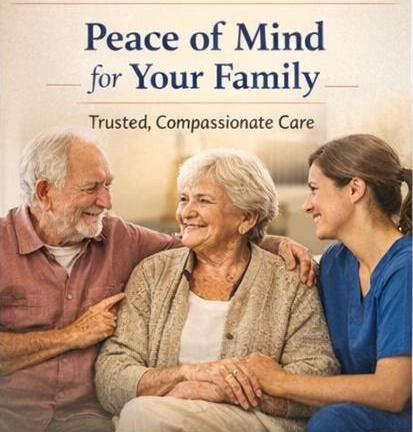
Skilled nursing at home goes beyond basic medical care. It provides a network of support to enhance your quality of life.
Pain and Symptom Management
Managing pain is crucial for a comfortable recovery. Nurses develop strategies tailored to your needs, helping you manage symptoms effectively. This personalized approach ensures you’re not just enduring pain but actively overcoming it.
Medication isn’t the only tool in pain management. Techniques like relaxation exercises and physical therapy are used to address discomfort. These methods provide relief and promote healing, making the recovery process more bearable and encouraging.
Coordination and Caregiver Education
Skilled nursing includes coordinating with other healthcare providers to ensure you receive the best care. This coordination means all aspects of your health are considered, creating a comprehensive support system tailored just for you.
Education is also a fundamental part of home care. Nurses teach family members and caregivers how to assist you effectively. This knowledge empowers those around you to provide the necessary support, easing the burden on everyone involved. With this team effort, recovery becomes a shared journey, filled with understanding and compassion.