
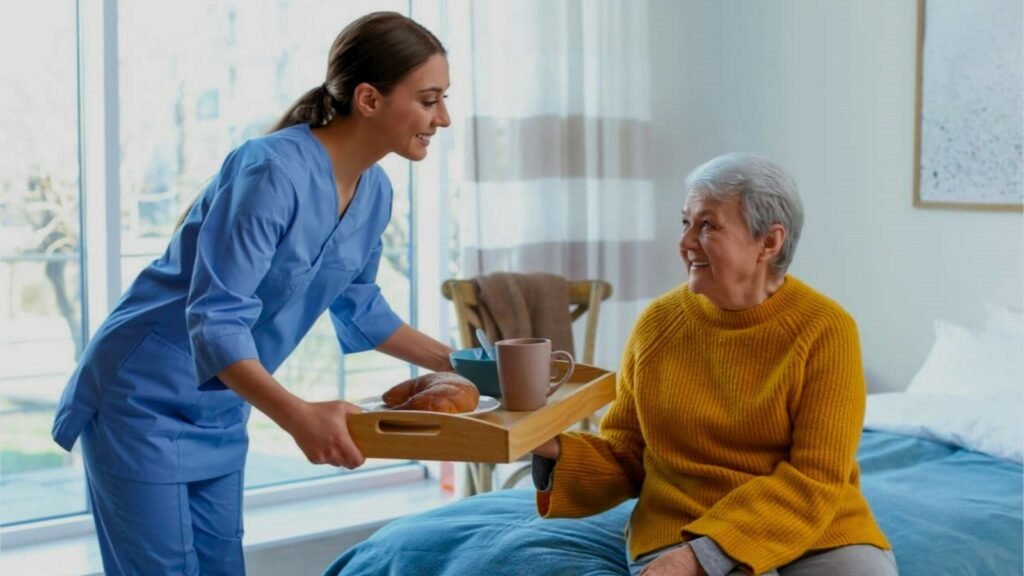
The First 72 Hours at Home: Why Early Support Matters in Recovery
The first 72 hours after hospital discharge can feel overwhelming, even when you’re ready to be home. Without the right support, small challenges may turn into setbacks that slow your recovery. Early home care support from BridgePoint Home Care in London, Ontario offers skilled nursing and personalized plans that help keep you safe, comfortable, and on the path to healing from day one. For more detailed information, you can visit this link.
Importance of Early Home Care
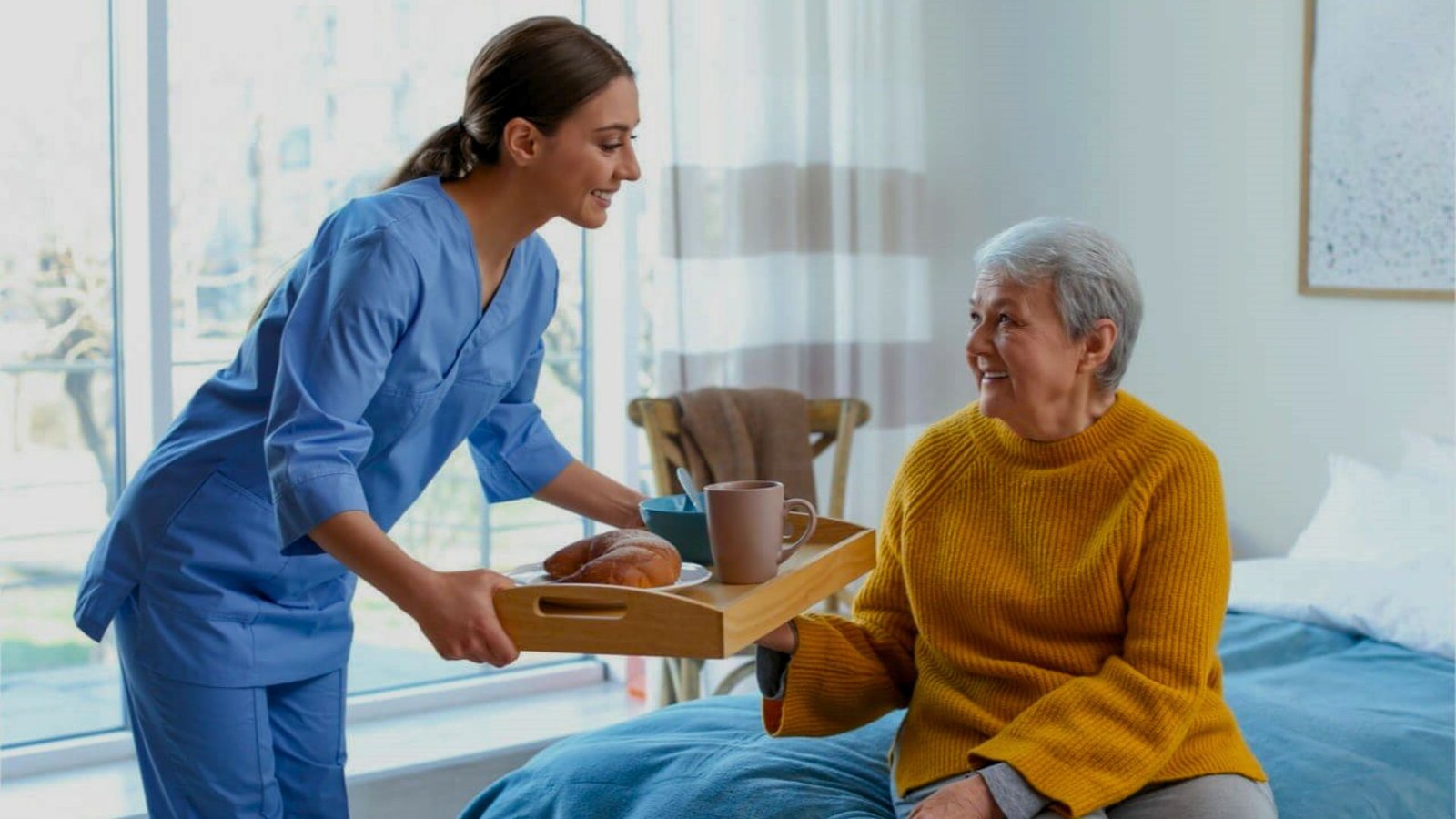
Getting home from the hospital is a relief, but the first few days are crucial. Why? Because they set the tone for a smooth recovery. Here’s what you need to know about this critical period.
Risks in First 72 Hours
Once you’re home, you’re not out of the woods yet. The first 72 hours can be risky. Many people face unexpected complications. Without proper care, small issues can become big problems. For instance, medication errors are common. You might miss doses or mix up your prescriptions. This can delay healing or even send you back to the hospital.
Additionally, your home environment might not be as safe as you think. Falls are a major concern, especially for seniors. A misplaced rug or a slippery bathroom can lead to serious injuries. Monitoring your condition closely in those early days is vital. You need someone who can notice changes and act quickly.
Opportunities for Quick Recovery
The good news? Early home care support can make a big difference. Skilled professionals can help you manage medications correctly. They ensure you take the right dose at the right time, reducing the risk of complications. They also assess your home for potential hazards. By making small changes, they can significantly lower fall risks.
Moreover, having someone to check your vital signs can alert you to problems before they escalate. This proactive approach helps you recover faster. Your body can focus on healing, not on dealing with preventable setbacks. So, investing in early support is not just about avoiding risks; it’s about seizing the chance for a speedy recovery.
Key Services for Smooth Transition
Understanding the benefits of early home care is just the start. Let’s explore specific services that ease your transition from hospital to home.
Skilled Nursing at Home Benefits
Skilled nursing at home offers you more than just convenience. It’s a lifeline that ensures professional care in a familiar setting. Nurses provide medical support like wound care, which is crucial after surgery. They monitor your recovery, helping you avoid complications. This means fewer trips back to the hospital, saving time and stress.
But it’s not just about medical needs. Skilled nurses also offer emotional support. Recovering at home can be daunting, and having a compassionate professional by your side makes a difference. You gain confidence knowing you’re in capable hands. Plus, they educate you and your family on managing your health. This empowers you to take an active role in your recovery.
Medication Reconciliation at Home
Managing multiple medications can be confusing. That’s where medication reconciliation comes in. It’s a process that ensures your prescriptions are accurate and safe to take together. A professional reviews your medication list, checking for errors or interactions. This step is vital, as mistakes can delay your recovery or cause harm.
Reconciliation also involves updating your doctor about any changes in your meds. This keeps everyone on the same page, ensuring your treatment plan is followed correctly. By having this service at home, you eliminate the stress of coordinating with multiple healthcare providers. It’s one less thing to worry about, allowing you to focus on getting better.
Enhancing Recovery and Independence
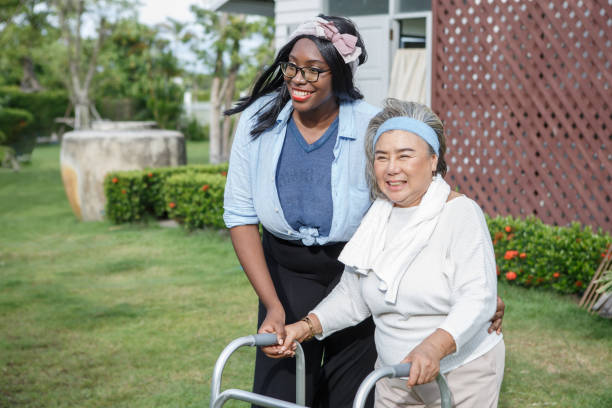
Beyond immediate needs, the right support fosters long-term recovery and independence. Here’s how targeted services can help.
Fall Prevention After Surgery
After surgery, your risk of falling is higher. But you can lower this risk with fall prevention strategies. Professionals assess your home for safety hazards. Simple adjustments, like installing grab bars or removing loose rugs, make a big difference.
They also work with you to build strength and balance. Exercises are tailored to your condition, helping you move more confidently. This proactive approach not only prevents falls but also boosts your independence. You’ll feel more secure navigating your home, which is essential for a full recovery.
Wound Care at Home Essentials
Proper wound care is critical for healing. At home, this becomes easier with professional support. They ensure your wounds are clean and healing properly. This reduces the risk of infections, a common setback.
Professionals also guide you on how to care for your wounds between visits. They teach you and your family proper techniques, so you feel comfortable managing your care. This knowledge gives you control over your healing process, enhancing both recovery and independence.
In summary, the right home care services transform your recovery journey. They address immediate challenges and empower you for the future. By investing in professional support, you’re investing in your health and independence, ensuring a smoother, safer transition home.