
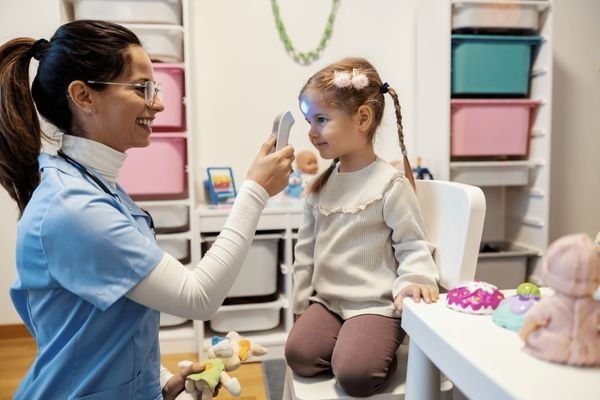
Transitioning your child from hospital to home can feel overwhelming, especially when managing complex medical needs. Knowing what quality pediatric home care includes helps you prepare for a safer, smoother recovery at home. In this guide, you’ll find a clear checklist of essential services, from skilled nursing to school reintegration support, designed to ease your worries and support your family in London, Ontario. For more details on our services, visit BridgePoint Home Care Inc..
Essential Components of Pediatric Home Care
Transitioning from Hospital to Home
The shift from hospital to home requires careful planning to ensure your child’s safety and comfort. A structured approach helps reduce stress for both you and your child. You’ll want a partner who eases this transition by providing consistent, professional support right from the start.
Personalized Care Plans and Goals
Every child is unique, and their care should reflect that. A personalized care plan is crucial for addressing specific medical needs while promoting independence. This plan sets clear goals that guide recovery, making sure your child gets the most from their home care.
Family Training and Support
Empowering families with the right knowledge is key to a successful transition. Training sessions help you understand your child’s care needs and how to manage them effectively at home. This support builds confidence, allowing you to provide the best care for your child.
Specialized Nursing and Medical Services
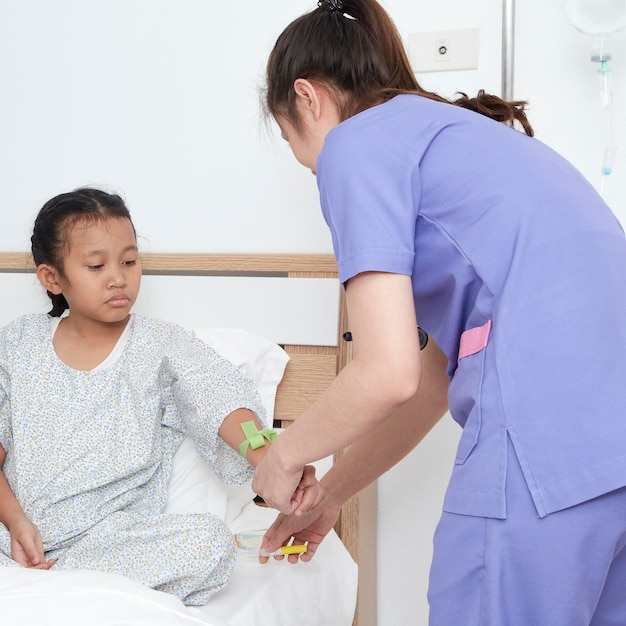
Skilled Pediatric Nursing at Home
Having skilled nurses at home means expert care is always within reach. These professionals are trained to handle complex medical conditions, ensuring your child receives the best care possible without leaving home. This service offers peace of mind, knowing your child’s health needs are met.
Tracheostomy and Tube Feeding Care
For children with tracheostomies or feeding tubes, specialized care is essential. Nurses provide expert support in managing these devices, ensuring your child’s comfort and safety. This level of care allows children to thrive in a familiar environment while meeting their nutritional and respiratory needs.
Medication Management and Wound Care
Proper medication management is crucial for your child’s health. Nurses ensure medications are administered safely and on schedule. They also provide wound care, promoting healing and preventing complications. This comprehensive service keeps your child’s recovery on track.
Support for School Reintegration and Beyond

Planning for School Return
Returning to school is a significant step for children recovering at home. Care providers work with families and schools to create a plan that supports your child’s return to the classroom. This collaboration ensures a smooth transition, helping your child succeed academically and socially.
Culturally Responsive and Community-Based Care
Respect for cultural values is vital in delivering effective care. Culturally responsive services ensure your child’s care aligns with your family’s values and traditions. This approach fosters a sense of belonging and enhances the quality of care your child receives.
Family Respite and Overnight Support
Caring for a child with medical needs can be demanding. Respite services offer families a much-needed break, providing professional care for your child while you recharge. Overnight support ensures your child is cared for around the clock, giving you peace of mind during the night.
Frequently Asked Questions
What does pediatric home care include?
Pediatric home care includes skilled nursing, medication management, wound care, tracheostomy and tube feeding support, and help with school reintegration. It focuses on personalized care that meets the specific needs of each child.
How can I ensure a smooth transition from hospital to home for my child?
A successful transition involves a personalized care plan, family training, and professional support. These components work together to create a safe and supportive environment for your child’s recovery.
What support is available for families needing a break from caregiving?
Family respite services provide temporary relief, allowing caregivers to rest while ensuring their child continues to receive high-quality care. This support can include day or night care by professional caregivers.