

Home care for children with medical needs in London, Ontario requires more than basic support—it demands skilled, personalized attention that fits your family’s unique situation. You want a team who understands the challenges of pediatric post-discharge care and offers clear guidance every step of the way. In this guide, you’ll learn what truly matters in pediatric home care and how BridgePoint’s approach helps your child thrive safely at home. For more information, you can explore resources like this guide on pediatric home health care.
Essentials of Pediatric Home Care
Pediatric home care involves more than just tending to medical needs. It’s about creating an environment where children can grow and heal while feeling secure. Let’s explore the key components.
Importance of Skilled Nursing
Skilled nursing is crucial in pediatric home care. Nurses trained in pediatrics understand the unique needs of children. They provide medical care while monitoring changes in health. Skilled nurses also offer emotional support, making children feel comfortable. This support is essential for families adjusting to new routines. With a qualified nurse, you can focus on family time, knowing your child is in expert hands.
Personalized Care Plans
Each child is unique, and so are their care needs. Personalized care plans ensure every child’s specific requirements are met. These plans are developed with input from healthcare providers and families. They include medical care, therapy sessions, and daily routines tailored to the child. Custom plans help children reach their full potential by focusing on their strengths and needs.
Medication Management for Children
Managing medication for children requires precision and care. Pediatric home care nurses ensure that medications are administered correctly and on time. They also monitor for side effects and communicate with doctors if adjustments are needed. This vigilance prevents complications and ensures the child remains on track with their health goals.
Transitioning from Hospital to Home
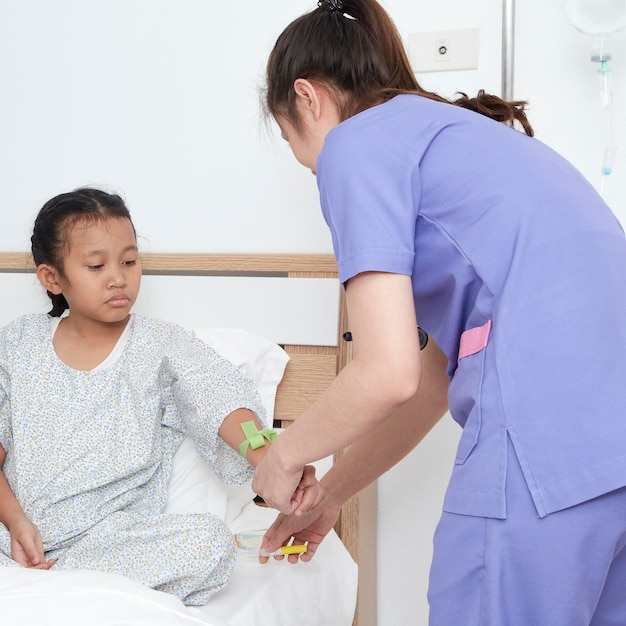
Moving from a hospital to home can be daunting. Having a support system in place is essential to make this transition smooth and stress-free for both the child and the family.
Pediatric Post-Discharge Care
Post-discharge care helps bridge the gap between hospital and home. It involves a detailed assessment of the child’s needs, ensuring that all health concerns are addressed promptly. This care continues the treatment started in the hospital, preventing setbacks. By having a structured post-discharge plan, families feel supported and confident in their child’s recovery process.
Coordinated Therapy Support
Therapy is often a part of pediatric recovery. Coordinated therapy support includes physical, occupational, and speech therapy tailored to the child’s needs. These therapies are seamlessly integrated into the child’s daily routine, making progress feel natural. Coordinated efforts between therapists and nurses ensure a holistic approach to recovery, fostering independence and growth.
School Reintegration Guidance
Returning to school is a big step for children after a medical leave. School reintegration guidance helps children transition smoothly. This includes preparing the school for the child’s needs and developing a plan that accommodates their health requirements. Such support enables children to focus on learning and socializing, which is key to their development and self-esteem.
Supporting Families in London, Ontario

Support extends beyond medical care. Families in London, Ontario, benefit from services that consider their cultural and emotional needs.
Family Respite Services
Caring for a child with medical needs can be overwhelming. Family respite services provide caregivers with much-needed breaks. These services ensure that children receive quality care while families recharge. With respite support, families can maintain their well-being, which is crucial for their ability to provide long-term care.
Culturally Sensitive Pediatric Care
London, Ontario, is home to diverse cultures. Culturally sensitive care respects and incorporates a family’s cultural values into the care plan. This approach builds trust and ensures that care is relevant and respectful. By aligning with the family’s beliefs, caregivers can create a supportive environment that promotes healing and comfort.
In-Home Nursing for Children
In-home nursing provides personalized care in the comfort of your home. Nurses not only attend to medical needs but also support the child’s daily life. This includes helping with schoolwork, playing, and integrating therapy into fun activities. With in-home nursing, children receive comprehensive care without leaving their familiar environment, promoting stability and security.
Frequently Asked Questions
What is the role of a skilled pediatric nurse at home?
A skilled pediatric nurse provides medical care, monitors health changes, and offers emotional support. They help manage medications and collaborate with other healthcare professionals to ensure comprehensive care.
How does a personalized care plan benefit my child?
Personalized care plans tailor medical and daily care to your child’s unique needs, promoting better health outcomes and supporting their development effectively.
What support is available for my child’s transition back to school?
School reintegration guidance ensures a smooth transition by preparing the school environment and developing a plan that addresses your child’s health and educational needs.
For further insights, you can refer to resources like this detailed guide on pediatric home care.