
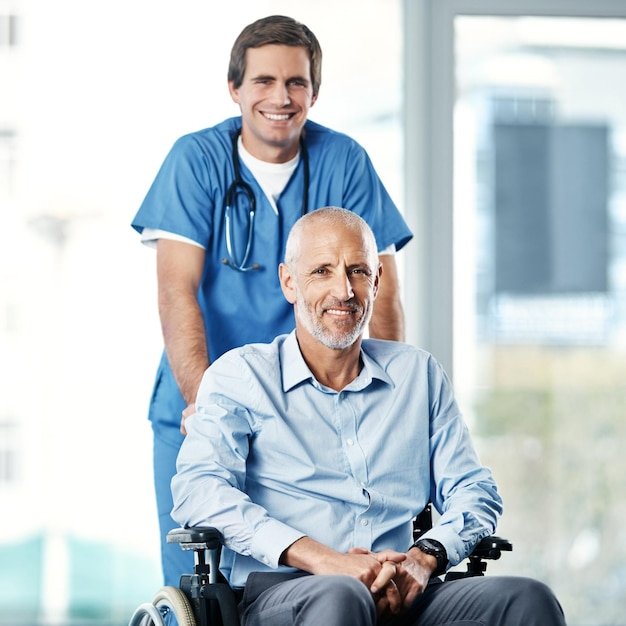
Recovering at home after a hospital stay can feel overwhelming, especially when managing complex care needs. Skilled nursing care at home in London, Ontario offers tailored support to ease that transition with professional guidance and hands-on help. This post will outline what you can expect from in-home nursing, so you feel confident and secure during your post-discharge recovery. Ready for a safer, smoother return home? Contact BridgePoint Home Care Inc. today to schedule your complimentary Hospital-to-Home Transition Consultation and personalized care plan. Learn more about BridgePoint Home Care Inc.
Understanding Skilled Nursing Care
Skilled nursing care at home provides a safety net, ensuring you receive the care you need within your own home. This support means you can focus on healing and regaining independence without the stress of managing alone.
Key Services Offered
When you receive skilled nursing care at home, a wide array of services become available to you. Wound care at home is a significant aspect, ensuring that any post-surgical sites heal properly and without infection. Nurses can also assist with medication management home care, ensuring you take the right medications at the right times, reducing the risk of complications.
In addition, skilled nursing covers chronic disease management at home, allowing you to manage conditions like diabetes or heart disease with expert oversight. These services work together to keep you healthy and on track during recovery. Each visit is an opportunity to adjust your care plan, ensuring it meets your evolving needs.
Benefits of In-Home Care
Choosing in-home care means you can recover in a familiar environment where you’re most comfortable. This approach minimizes the stress and potential exposure to illness that might come from longer hospital stays. With rehabilitation-focused home care, your recovery is personalized, targeting your unique needs and goals.
Being at home means receiving care that’s tailored to you, which can significantly impact your confidence and overall well-being. The personal touch of skilled care helps bridge the gap between medical recovery and everyday living, promoting independence and dignity.
Ensuring Patient Safety
Safety is a top priority in home care. Skilled nurses help create a safe environment, assessing any risks in your home and recommending changes to prevent accidents. They monitor your health closely, ensuring any issues are caught early.
By keeping a vigilant eye on your well-being, skilled nursing care helps maintain a high standard of safety. This support allows you to focus on recovery, knowing you’re in capable hands.
Navigating Post-Discharge Recovery
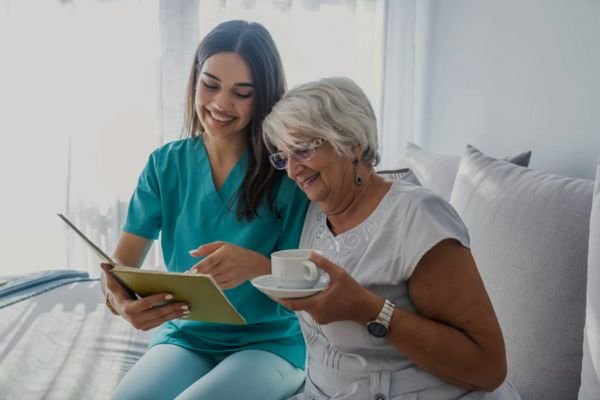
Transitioning from hospital to home can be daunting, but with the right support, it becomes manageable. A clear plan and continuous care can make all the difference in this crucial phase.
Transitioning from Hospital to Home
The transition from hospital to home is a critical period in recovery. Our goal is to make this process as smooth as possible. You will receive a personalized care plan tailored to your needs. This plan is designed to ensure you can focus on recovery without worrying about what comes next.
In-home nurses provide comprehensive support, guiding you through this transition. They work closely with your medical team to keep your recovery on track, reducing the risk of readmission.
Personalized Care Plans Explained
Care plans are the backbone of effective home care. Each plan is unique, shaped by your specific medical needs and personal goals. Whether you’re recovering from surgery or managing a chronic condition, your plan will reflect your requirements.
This personalized approach ensures that your care is always relevant and effective. By focusing on individual needs, care plans help maintain your independence and quality of life during recovery.
Managing Chronic Conditions
Managing chronic conditions at home requires a strategic approach. Skilled nurses bring their expertise to your doorstep, offering guidance and support tailored to your condition. Whether it’s diabetes management or cardiac care, they ensure you have the tools and knowledge to manage your health effectively.
Regular monitoring and adjustments to your care plan can help prevent complications and promote long-term well-being. This ongoing support empowers you to take control of your health while enjoying the comforts of home.
Embracing Professional Support
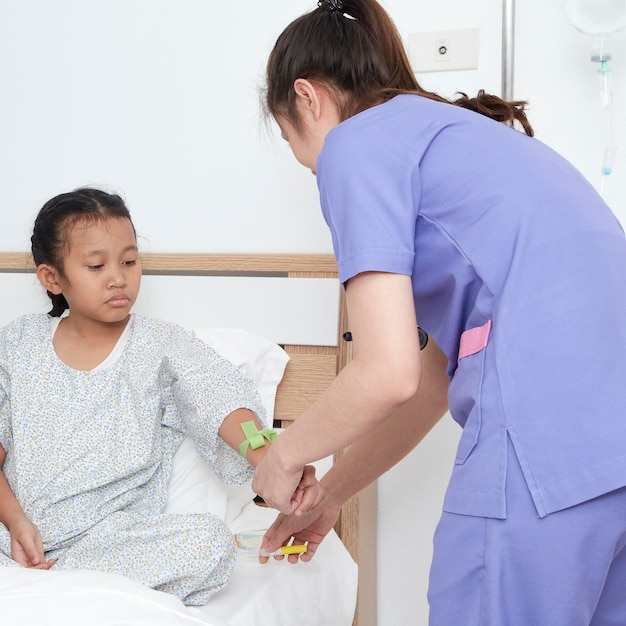
Professional support is crucial in maintaining your health and independence at home. Registered nurses play a significant role in this, bringing a wealth of knowledge and expertise to your care.
Role of Registered Nurse Home Visits
Registered nurses provide essential support during home visits. They offer comprehensive assessments, ensuring your recovery stays on track. Their visits are tailored to your needs, providing medical care and emotional support.
By having a nurse visit regularly, you receive continuous care and attention, ensuring any concerns are addressed promptly. This proactive approach helps keep your recovery safe and effective.
Importance of Medication Management
Proper medication management is vital to your health. Nurses ensure you understand your medications, how to take them, and what to expect. They help prevent errors and ensure your treatment is as effective as possible.
This support gives you peace of mind, knowing your medication routine is under expert supervision. It also helps prevent complications, keeping your recovery on track.
Scheduling a Transition Consultation
Scheduling a consultation is the first step towards a smoother recovery. During this meeting, you’ll discuss your needs and goals, allowing us to tailor your care plan effectively. This initial assessment is crucial to creating a care strategy that works for you.
A consultation provides the opportunity to ask questions and gain clarity on what you can expect. It sets the stage for a recovery journey that’s fully supported and expertly guided.
Frequently Asked Questions
What services are included in skilled nursing care at home?
Skilled nursing care at home includes wound care, medication management, chronic disease management, and personalized care plans. Nurses provide expert support tailored to your specific needs.
How does in-home care promote patient safety?
In-home care promotes safety by assessing risks in your home and providing continuous health monitoring. Nurses work closely with you to prevent accidents and ensure a safe recovery environment.
Why is medication management important in home care?
Medication management ensures you take the right medications at the right times, reducing the risk of complications. Nurses provide guidance and support to prevent errors and enhance treatment effectiveness.
How are personalized care plans created?
Personalized care plans are created based on your medical needs and personal goals. They are designed to provide targeted support, ensuring your recovery is effective and aligned with your unique requirements.
What should I expect during a transition consultation?
During a transition consultation, you’ll discuss your needs and goals with a professional. This meeting helps tailor your care plan and provides an opportunity to clarify any questions about your recovery journey.