
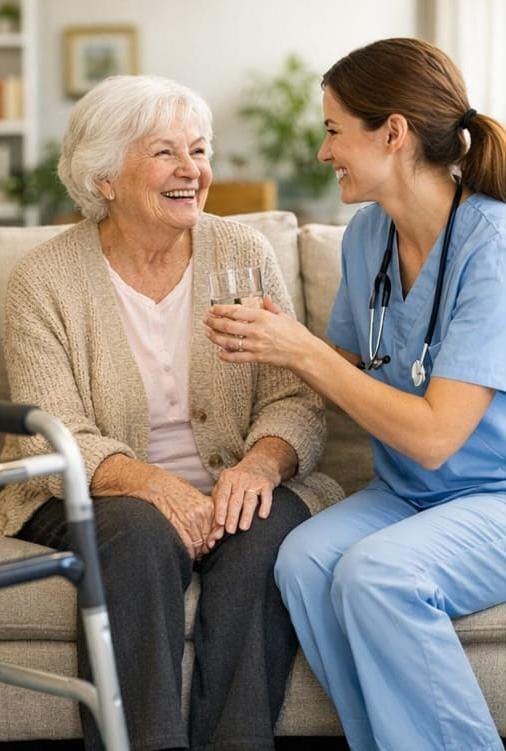
When Should a Loved One Get Extra Help After Coming Home from the Hospital? A Practical Guide for London Families
Coming home from the hospital is a relief, but it can also bring new challenges you might not expect. Knowing when your loved one needs extra support at home can prevent complications and reduce the chance of readmission. This guide will help you spot key signs and explain how post-discharge home care in London, Ontario can create a personalized plan focused on safe, confident recovery.
Recognizing the Need for Extra Help
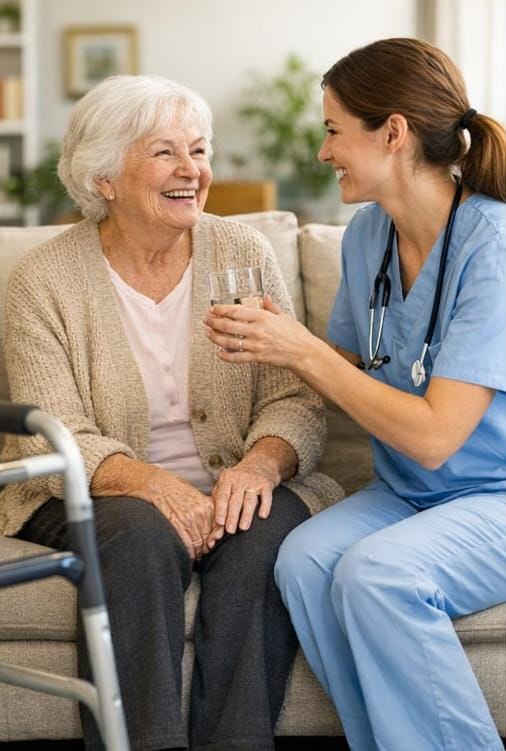
Understanding when to seek additional support is crucial for a smooth recovery. Let’s explore the key indicators that your loved one may require extra care at home.
Signs Your Loved One May Need Support
Have you noticed changes in your loved one’s daily routine? Difficulty in managing basic tasks can be a red flag. If they’re struggling with mobility, personal care, or remembering medications, these are signs they may need professional help. A decline in overall health or energy can also indicate the need for support.
A real-life example: A friend’s father, after hip surgery, had trouble walking and needed guidance. It was evident he required additional help before complications arose. Here are some situations that might resonate with you:
-
Trouble moving around the house
-
Forgetting to take medications
-
Difficulty with personal hygiene
If these scenarios sound familiar, it might be time to consider home care services. For more insights, check out this informative article.
Risks of Skipping Post-Discharge Care
Ignoring the need for post-discharge care can lead to serious consequences. Most people assume they can manage alone, but this can increase the risk of readmission. A lack of proper care might cause complications, leading to a delay in recovery.
Consider this: Without adequate support, even simple injuries can worsen. For instance, skipping medication or missing follow-up appointments might result in setbacks. Here’s a key insight: ensuring proper home care minimizes these risks and promotes faster healing. Learn more about the potential pitfalls from this helpful source.
Importance of a Personalized Care Plan
A tailored care plan is vital for effective recovery. It considers your loved one’s specific needs, ensuring they receive the appropriate care level. Personalized plans promote independence while providing the necessary support.
Think of it like this: each person has unique challenges and strengths. A one-size-fits-all approach won’t work. By creating a plan tailored to their needs, you help them regain confidence and independence. A well-structured care plan is an essential step in their hospital to home transition.
Benefits of Rehabilitation-Focused Home Care
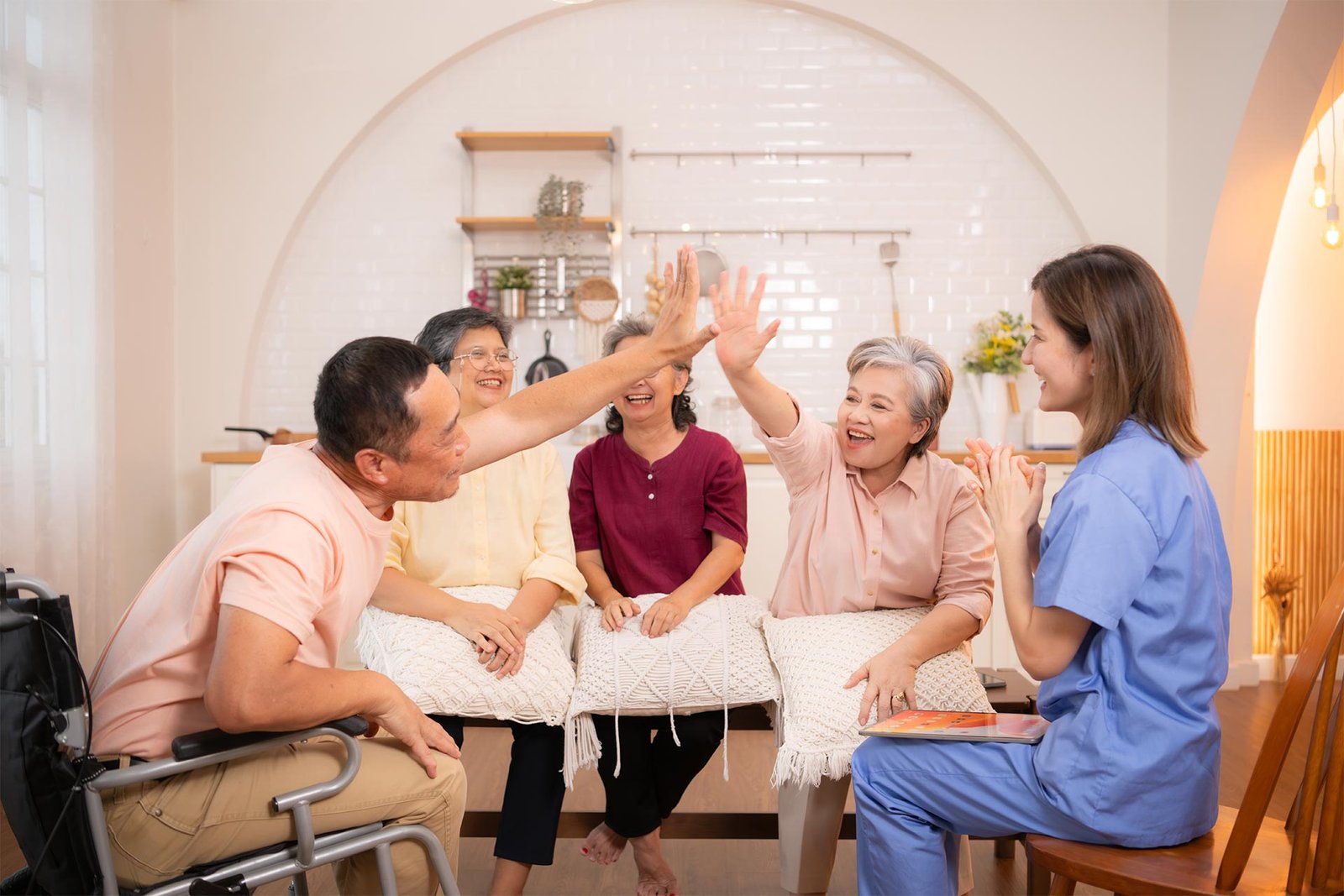
Rehabilitation-focused home care offers numerous advantages, helping your loved one recover comfortably in their own environment. Let’s delve into these benefits.
Skilled Nursing and Medication Management
Professional nursing care ensures your loved one receives expert medical attention at home. Skilled nurses provide wound care, monitor health conditions, and manage medications. This level of care can significantly improve the recovery process.
Imagine your loved one having a nurse who visits regularly to check vital signs and administer medications. This reduces the burden on family members and ensures adherence to medical recommendations. Additionally, skilled nursing at home offers peace of mind knowing that professional help is just a call away.
Fall Prevention and Home Safety
Preventing falls is crucial for a safe recovery. Home care services include safety assessments to identify potential hazards. Simple changes, like removing loose rugs or installing handrails, can prevent accidents.
Most people think their homes are safe, but unseen risks can pose threats. Fall prevention at home is critical, especially for seniors. Implementing safety measures ensures a secure environment and reduces the likelihood of injuries. Learn more about the importance of home safety with this resource.
Support for Families and Caregivers
Caring for a loved one can be overwhelming. Home care services offer support, easing the burden on family members. Caregivers receive guidance and training to provide the best care possible.
Consider this: having professional support allows family members to focus on quality time with their loved one, rather than solely on caregiving tasks. This support can reduce stress and improve overall family dynamics. Caregiver support in London, ON, ensures everyone involved receives the help they need.
Choosing the Right Home Care Provider
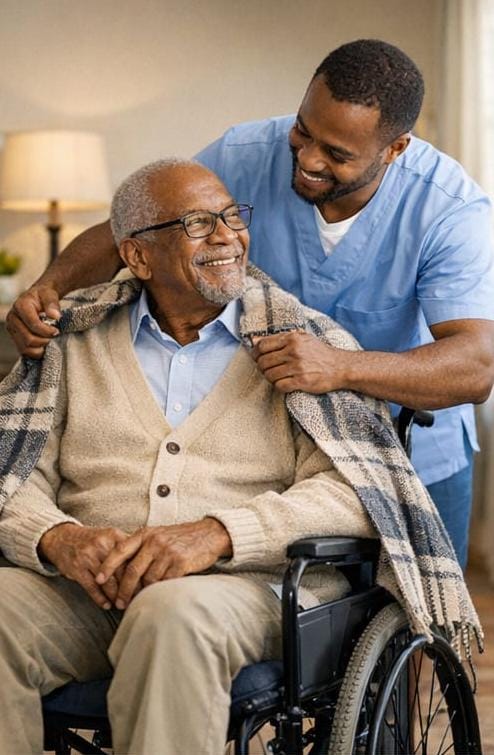
Selecting the right provider is a critical step in ensuring quality care. Let’s explore what you should consider when choosing a home care provider in London, Ontario.
Evaluating Care Options in London, Ontario
When evaluating home care providers, consider their range of services and reputation. Look for providers offering comprehensive services, such as post-surgical recovery at home and medication management. Local expertise and community ties are also important factors.
Remember: not all providers are the same. It’s essential to choose one that aligns with your loved one’s needs. Ask for recommendations, read reviews, and assess their service offerings. Knowing the options can help you make an informed decision about home care for seniors.
The Role of Culturally Sensitive Care
Culturally sensitive care is vital in meeting the diverse needs of clients. It respects values, traditions, and cultural backgrounds, ensuring care is delivered respectfully and inclusively.
Think about it: when care aligns with cultural values, clients feel more comfortable and respected. This approach can enhance the caregiving experience, fostering trust and cooperation. BridgePoint Home Care Inc. excels in providing culturally sensitive care, tailored to individual requirements.
Starting Your Hospital to Home Transition Plan
Initiating a transition plan early is key to a successful recovery. Collaborate with healthcare professionals to design a personalized plan that addresses your loved one’s specific needs.
Here’s the key insight: a well-thought-out transition plan ensures a seamless move from hospital to home. It reduces stress and promotes healing, empowering your loved one to regain independence. The longer you wait to start planning, the more challenging the transition may become.
In conclusion, recognizing the signs that your loved one needs extra help, understanding the risks of skipping care, and embracing a personalized plan can significantly enhance recovery. Rehabilitation-focused home care offers numerous benefits, from skilled nursing to fall prevention, providing peace of mind for families. Choosing the right provider ensures quality care and support during this critical time.