
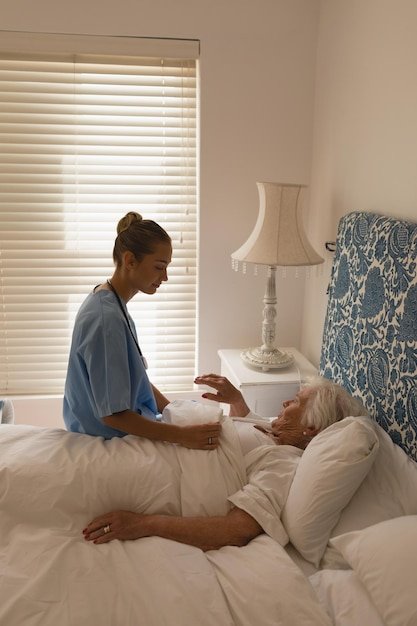
Your Hospital-to-Home Checklist: Preparing for a Safe, Comfortable Recovery in London, Ontario
Most hospital discharges catch families off guard, leaving homes unprepared for recovery. Without clear steps, risks like falls or medication errors rise sharply during those first critical days. This checklist guides you through essential home safety and care strategies to support a smooth hospital to home transition in London, Ontario. Ready to create a safe, comfortable space for healing? Let’s get started. Learn more about planning for a safe return home after hospitalization.
Preparing Your Home for Recovery
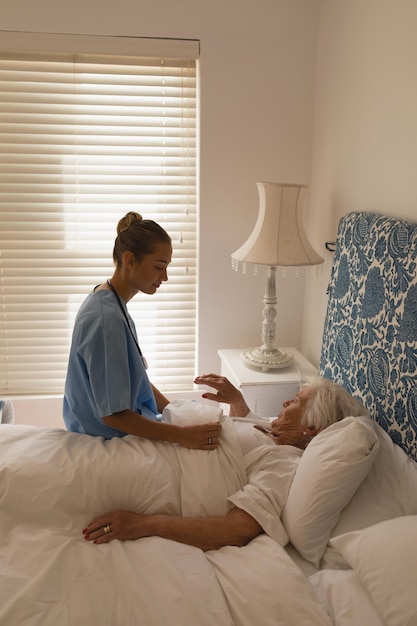
Embarking on the journey from hospital to home can be daunting, but with the right preparation, it becomes manageable. Let’s explore how you can create a supportive environment for recovery.
Creating a Safe Environment
The first step to a safe home is identifying potential hazards. Look around your living space and consider what might pose a risk. Are there loose rugs or cluttered walkways? These could lead to falls. Keep paths clear and use non-slip mats to ensure stability. Lighting is crucial too, especially in stairways and bathrooms. Adequate lighting reduces the chances of accidents.
Think about accessibility. Are essential items within easy reach? If bending or reaching is difficult, place items like medications and water within arm’s length. Consider installing grab bars in bathrooms for additional support. These adjustments make daily activities safer and reduce the risk of injury. Your home should be a place of comfort, not concern, during recovery.
Essential Home Safety Checklist
Creating a checklist simplifies your preparation. Begin with essentials like checking smoke detectors. They must be functional to alert you in case of an emergency. Follow this with a review of your first-aid supplies. Are they fully stocked with bandages, antiseptics, and other necessities? Having these on hand prepares you for minor injuries.
Next, evaluate emergency contact information. Keep a list of important numbers, such as your healthcare provider and local emergency services, in an accessible location. This way, help is just a call away if needed. A proactive approach ensures you’re ready to handle unexpected situations calmly and efficiently.
Fall Prevention at Home Strategies
Falls are a leading cause of injury at home, but they are preventable. Start with footwear: wear shoes with good grip to avoid slips. Consider using a cane or walker if balance is an issue. These aids provide support and confidence while moving around the house.
Exercise can also improve balance and strength. Simple activities, like stretching or walking, can be beneficial. Before starting any new exercise, consult with your doctor to ensure it’s safe. These small steps go a long way in keeping you steady and secure at home.
Key Aspects of Post-Discharge Care
Transitioning from hospital to home involves more than just physical adjustments. It’s about ensuring comprehensive care that addresses all aspects of recovery. Let’s delve into crucial components that support your healing process.
Effective Medication Management at Home
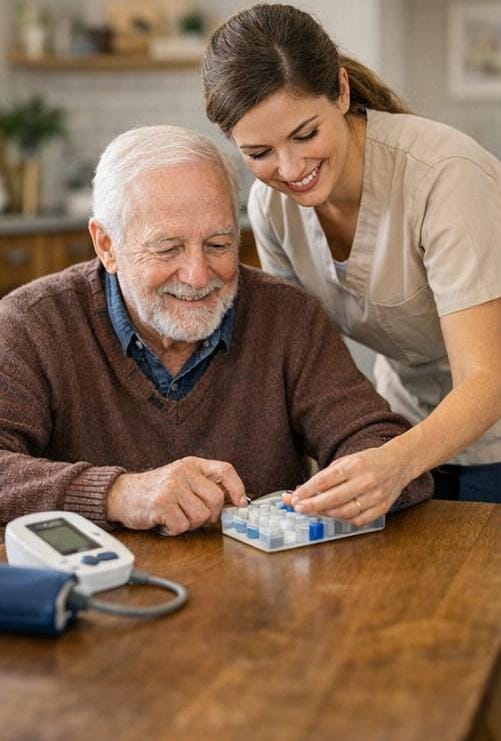
Managing medication correctly is vital for recovery. Begin by organizing your prescriptions. Use a pillbox to sort doses by day and time. This reduces the risk of missing or doubling up on medications.
Set reminders to take your medication at the right times. Alarms on your phone or a simple chart can help keep you on track. If reading labels is challenging, ask a family member or caregiver to assist. Accurate medication management supports a smooth recovery and reduces the risk of complications.
Skilled Nursing and Wound Care Support
Some recoveries require more than just basic care. Skilled nursing can provide necessary medical attention right at home. Nurses can monitor vital signs, administer medication, and offer wound care. This professional support ensures you’re healing properly and can prevent further issues.
If you have wounds, proper care is essential to avoid infection. Keep the area clean and dry, and follow your healthcare provider’s instructions for dressing changes. Skilled nursing brings hospital-level care to your doorstep, promoting a safer recovery environment.
Personalized Care Plans for Recovery
Every recovery journey is unique. Personalized care plans cater to individual needs, ensuring a tailored approach to healing. These plans consider your medical history, current condition, and personal preferences.
Work with your healthcare provider to establish a plan that suits you. It might include physical therapy, dietary adjustments, or regular check-ins with a nurse. A personalized plan not only supports your physical recovery but also boosts emotional well-being, making your transition smoother.
How BridgePoint Home Care Can Help

BridgePoint Home Care is your partner in ensuring a seamless transition. Our services focus on comprehensive care, tailored to meet your unique needs. Discover how we can support your recovery journey.
Transitional Care Services Overview
Our transitional care services provide a bridge between hospital and home. We focus on reducing readmission risks by coordinating care and ensuring all your needs are met. Our team works closely with healthcare providers to align services with your recovery goals.
We offer assistance with daily activities, medical management, and emotional support. This holistic approach ensures you’re not just recovering but thriving. Our goal is to make your transition as stress-free as possible, allowing you to focus on healing.
Comprehensive Home Care in London, Ontario
Located in London, Ontario, BridgePoint Home Care is deeply rooted in the community, offering services that prioritize safety and independence. Our skilled professionals deliver personalized care plans that respect your cultural and personal preferences.
We provide services ranging from skilled nursing to rehabilitation and mental health support. This comprehensive care package ensures you have all the resources needed for a successful recovery. Trust us to be your reliable partner in health and healing.
Schedule Your Transition Planning Call
Ready to take the next step in your recovery journey? Schedule a transition planning call with BridgePoint Home Care. We tailor our services to fit your needs, ensuring a supportive and safe transition from hospital to home. Our team is eager to help you regain independence and confidence.
Don’t wait—reach out today to discuss how we can assist you in making your home a sanctuary for recovery. We’re here to support you every step of the way.